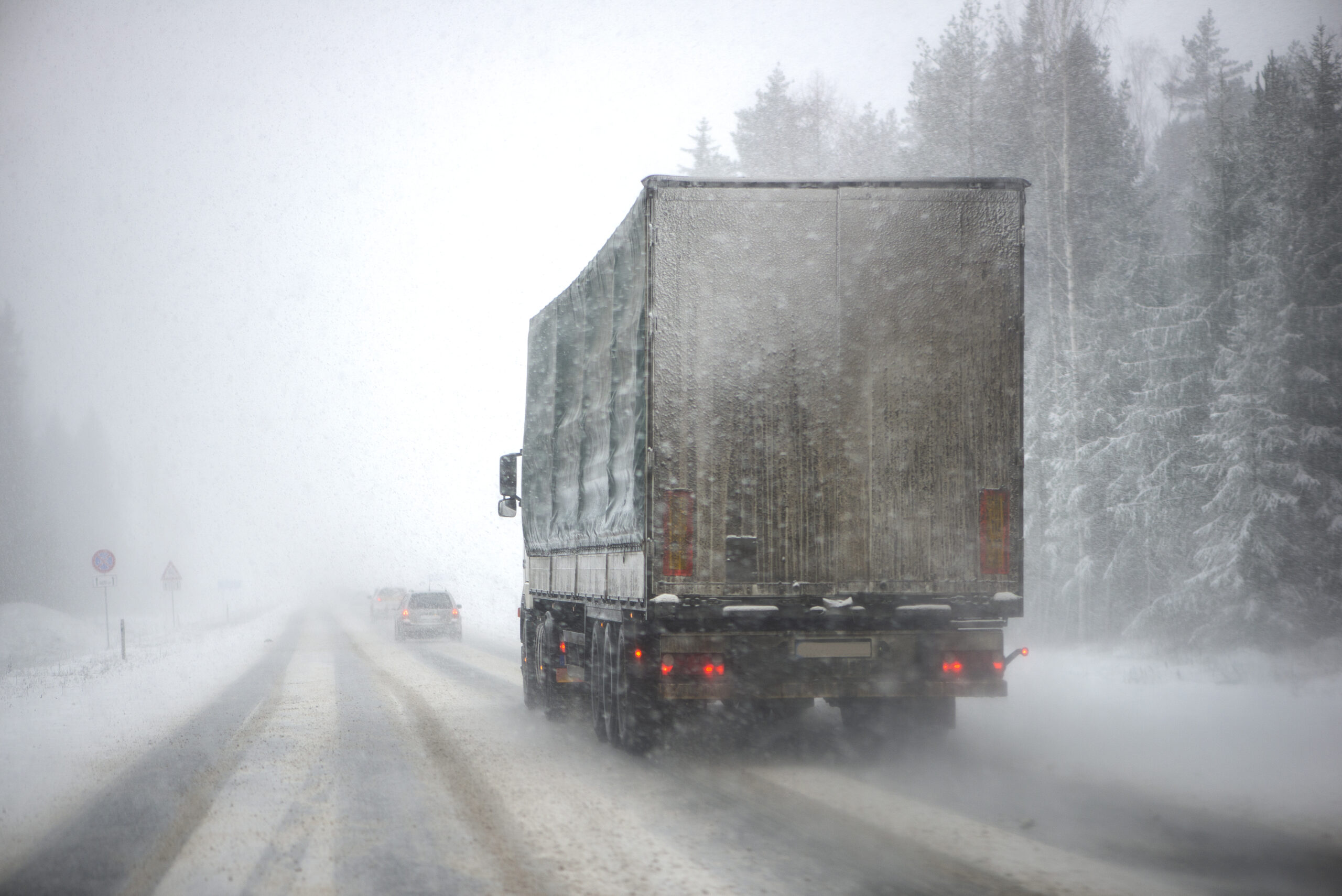
Commercial motor vehicles (CMVs) are not like passenger cars. A fully loaded semi-truck can weigh up to 80,000 pounds. At highway speeds, it needs nearly twice the stopping distance of a regular vehicle. It has blind spots large enough to swallow entire cars. This makes CMV driving difficult enough in clear weather, but when the road is wet, icy, foggy, or battered by wind, the risk is greatly increased.
The good news is that weather-related crashes are largely preventable. The weather might not be preventable (it might not even always be predictable), but with the right preparation, the right training, and a culture that values safety over speed, organizations can ensure drivers are placed in the best possible position to handle whatever conditions they face.
In this article, we’ll break down exactly what that preparation looks like, from understanding the risks to making smart decisions in real time.
Understanding the Risks
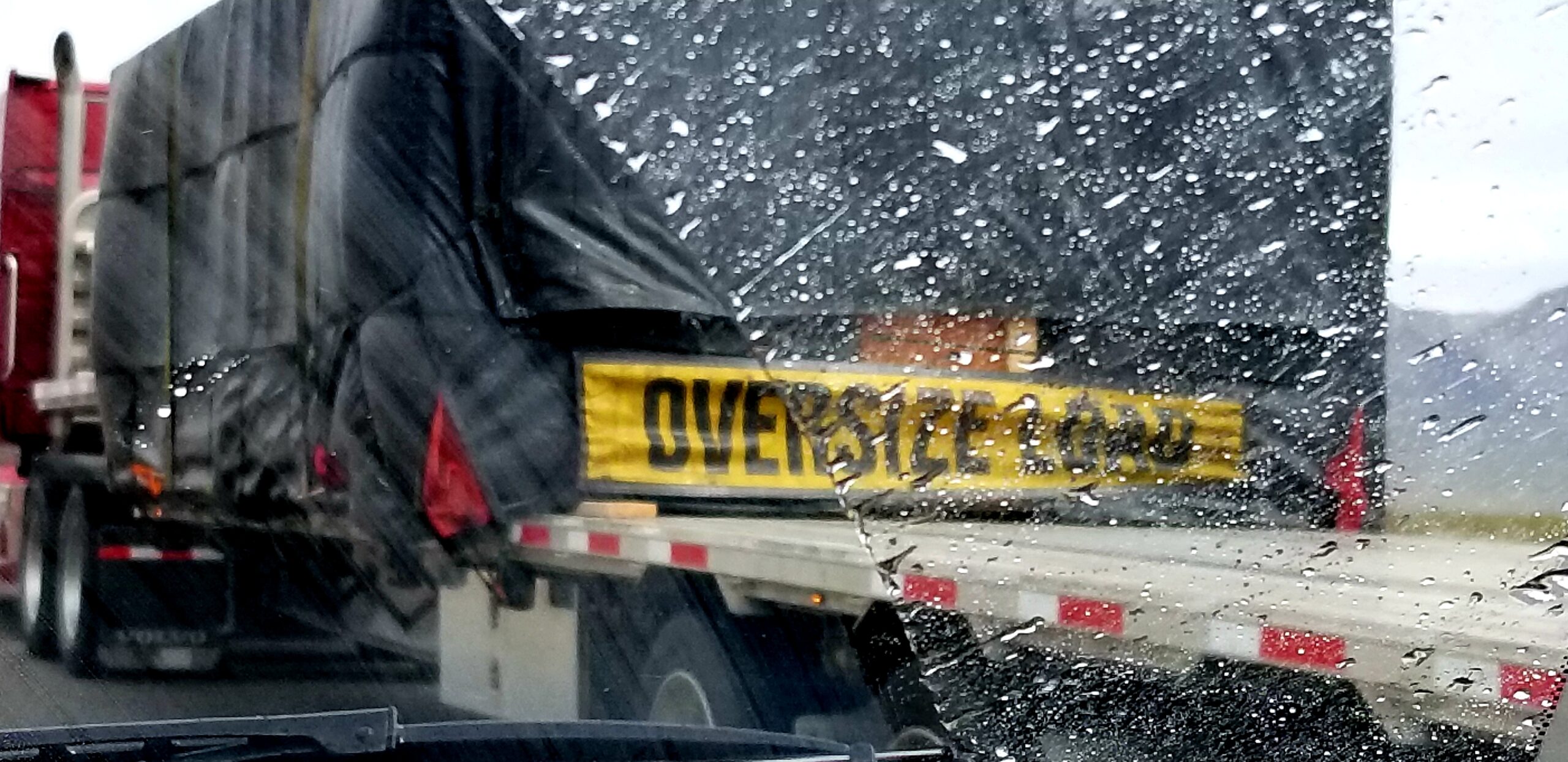
Before drivers can be effectively trained, they must understand what changes occur when the weather turns bad. Major risk factors that need to be taken into consideration include:
- Reduced Traction: Wet pavement, packed snow, slush, and ice all reduce tire grip. When traction decreases, steering response weakens and braking distance increases.
- Reduced Visibility: Fog, heavy rain, and blowing snow limit how far a driver can see. Reaction time depends on visibility. If a driver cannot see a hazard until the last second, even perfect braking technique may not prevent a crash. In low visibility, drivers must slow down well below posted speed limits.
- Increased Stopping Distance: A fully loaded CMV already requires significant stopping space. Add wet or icy roads, and that distance can double or even triple. If drivers are trained to maintain the same following distance they use in clear weather, they are setting themselves up for failure.
- Driver Fatigue and Stress: Hazardous weather increases mental strain. Drivers must concentrate harder and be constantly scanning for hazards while often fighting against decreased visibility. Over time, this added stress leads to faster fatigue and poorer decision-making.
Bad weather does not just affect the road; it affects the driver’s mind. Training must address both the physical and mental demands of high-risk conditions.
Safe Driving Strategies for Hazardous Weather
Different types of hazardous weather call for different responses. Training should provide clear, practical steps for each major weather hazard a driver may encounter, including:
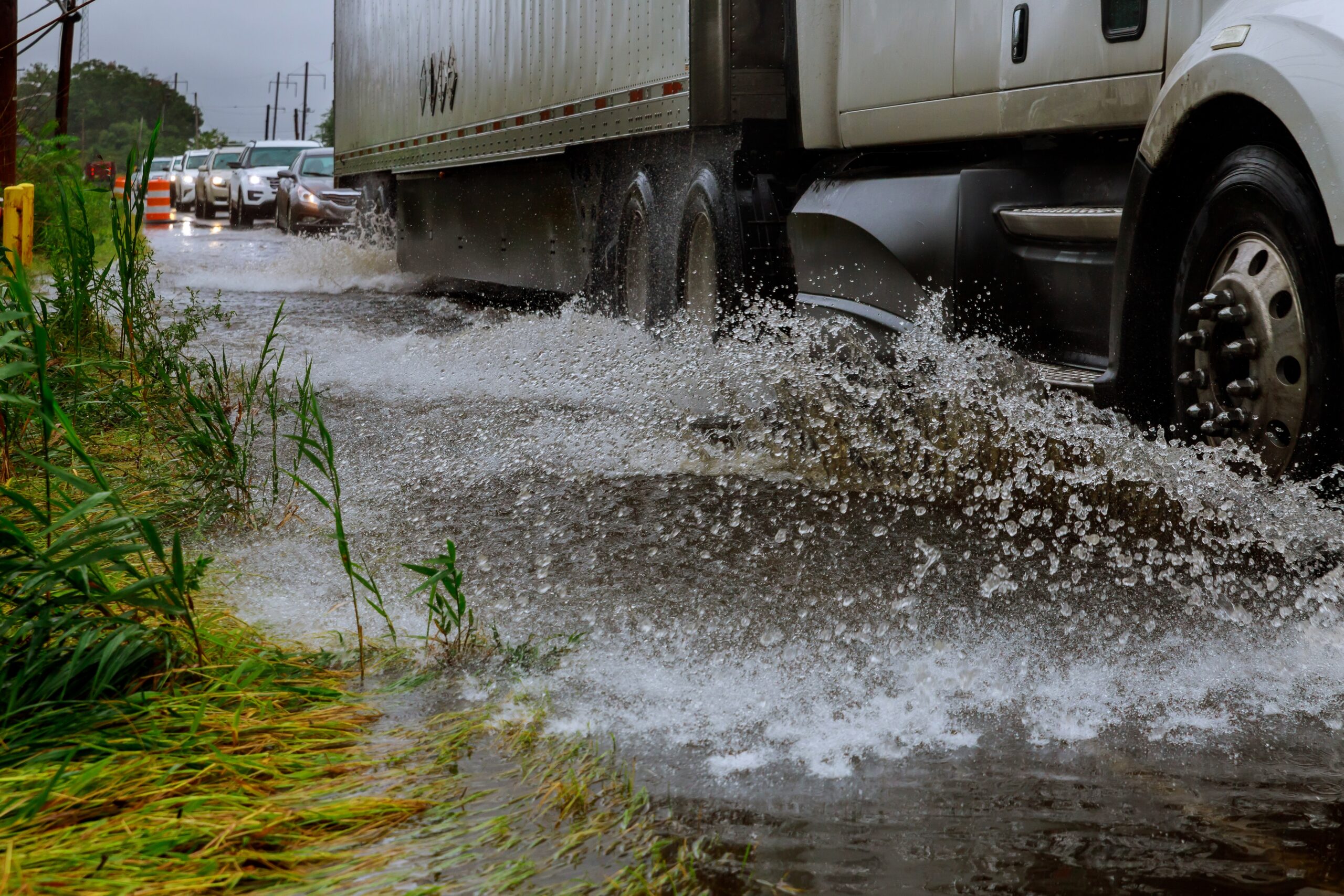
- Rain: One of the most common hazardous conditions, and often underestimated. Drivers must slow down significantly, increase following distance to at least double the normal amount, and stay alert for pooling water on the road surface. Hydroplaning requires special attention. This is when a vehicle’s tires ride atop standing water rather than gripping the pavement, which can cause a serious loss of vehicle control. Drivers should ease off the throttle well in advance of coming into contact with standing water.
- Fog: Fog is deceptive because it can change density in a matter of seconds. A driver who thinks they have adequate visibility can suddenly find themselves in a near-zero-visibility pocket with no warning. In foggy conditions, drivers should use low-beam headlights, and speed should be reduced dramatically, even if that means going well below the posted limit. If visibility drops to near zero, the right call is to pull completely off the road, activate hazard lights, and wait it out. No delivery is worth driving blind.
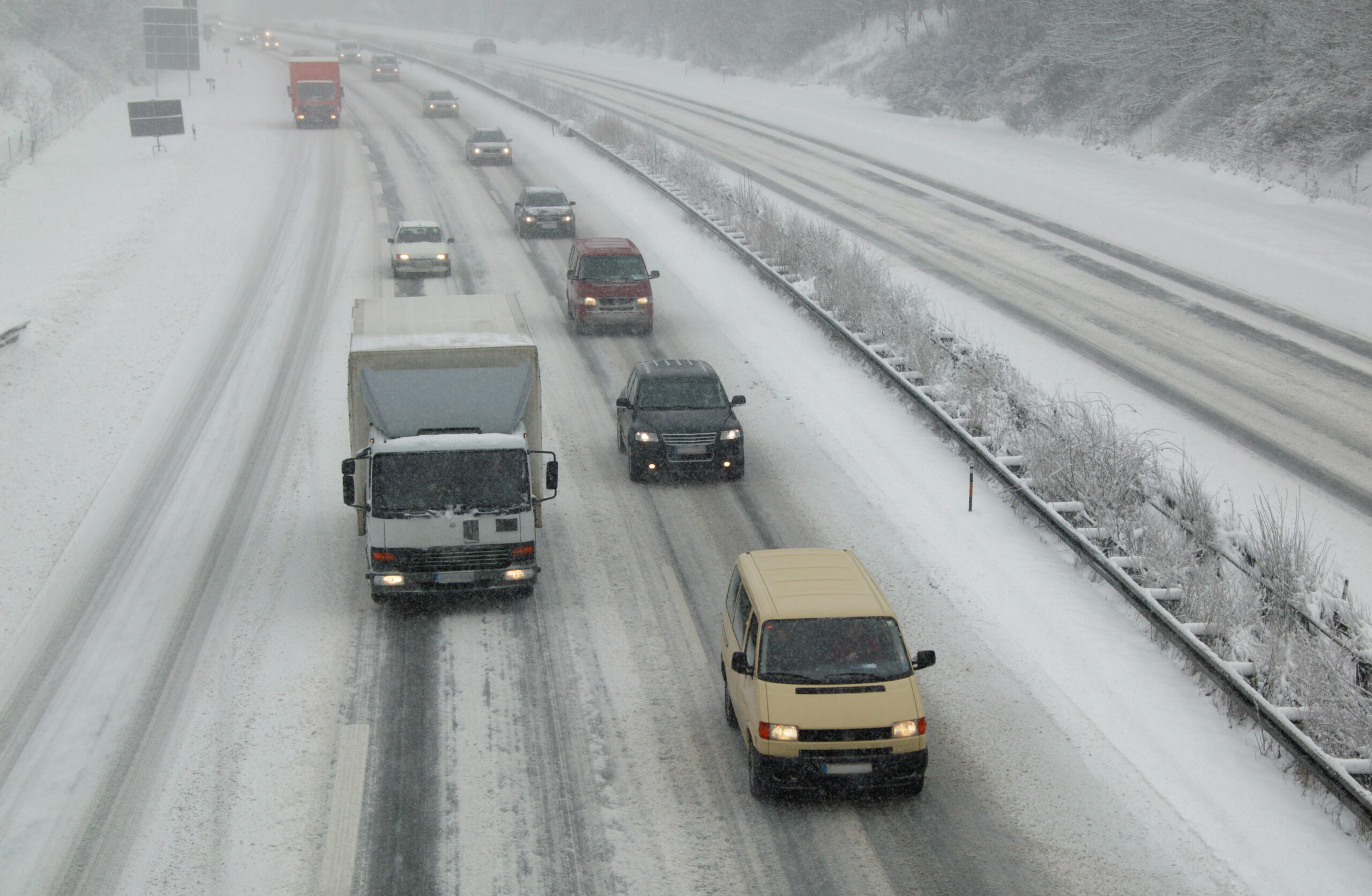
- Snow and Ice: Snow and ice demand the highest level of caution. Speed must be reduced well below the posted limit, and gentle braking techniques must be used. This means drivers should begin slowing down much earlier than they normally would and apply steady, gradual pressure. Additionally, ensure that vehicles are fitted with proper snow tires and that the right emergency equipment is on board.
- High Winds: High winds may not seem as dramatic as heavy rain or snowstorms, but they can be just as dangerous, especially for trailers. Sudden gusts of wind can push a truck sideways on the road, and this risk increases when passing other large vehicles or traveling through open stretches of highway with little wind protection. Drivers must maintain firm steering control with both hands on the wheel. If the trailer starts to fishtail, the driver needs to reduce speed carefully and avoid overcorrecting.
Pre-Trip and En-Route Preparation
Great driving skills are only part of the equation. The decisions made before and during a trip can be just as important as what happens behind the wheel.
Before heading out on the road, a pre-trip vehicle inspection must be performed. This includes checking tires, brakes, lights, wipers, and emergency supplies such as reflective triangles and a first aid kit, as these can make a major difference if a driver becomes stranded.
Additionally, before a driver departs, they should check weather forecasts for their entire route, not just their starting point or their destination. A storm that’s five hours away at departure time could be right in the middle of the route by the time they get there, and getting caught off-guard five hours into a trip could put a driver in serious danger.
Company weather policies must be clear and accessible at all times. Drivers should understand when they have the authority to stop operations due to unsafe conditions. Policies should remove doubt and empower safe decisions. Coordination with dispatch is critical here. Dispatchers need to be partners in the safety process, not just logistics coordinators. They should be empowered to approve route changes, communicate delays to customers, and support drivers who need to stop and wait out dangerous conditions. A culture where drivers feel pressure to push through unsafe weather to meet a deadline is a culture that is setting up crashes.
Most importantly, drivers must receive structured training that teaches them what to do and how to react under pressure. Classroom instruction is valuable, but scenario-based training is even more effective. When drivers mentally rehearse how to respond to hydroplaning, whiteouts, or strong crosswinds, they are more likely to stay calm and act correctly in real situations.

Conclusion
Hazardous weather is unavoidable, and weather doesn’t care about delivery windows. Tight schedules and urgent orders cannot take priority over the safety of drivers.
Preparation before hazardous weather strikes is the foundation of safety. Smart decision-making prevents crashes. Clear policies empower drivers to slow down, pull over, or reroute when conditions demand it.
If you’re a fleet manager or a supervisor, you set the tone. When you prioritize safety over speed, your drivers follow that example. When you invest in thorough training and proactive planning, you reduce risk across your entire operation. In the long term, protecting your drivers protects your business. It protects the public, vehicles, equipment, cargo, and most importantly, it protects lives.
Hazardous weather does not have to result in disaster. With the right preparation, training, and leadership, your fleet can operate safely even when conditions are far from ideal.
Capability’s online safety training courses help to educate employees on workplace safety and health regulations, policies, and best practices. These courses cover a wide range of topics—including CMV Hazardous Weather—all designed to fit the needs of various industries. To find the courses you need for your business today, click here.