Summer is here, and with it comes one of the most underestimated hazards in the workplace: the heat. If you manage or work in an outdoor environment, you probably already know how brutal those long summer days can be, but there’s a difference between being hot and being in danger.
Every year, thousands of workers suffer from heat-related illnesses. The Bureau of Labor Statistics (BLS) Annual Survey of Occupational Injuries estimates there have been 33,890 work-related heat injuries and illnesses involving days away from work from 2011–2020, with an average of 3,389 injuries and illnesses of this severity occurring per year during this period (https://www.osha.gov/heat/sbrefa).
The good news is that heat-related illnesses are largely preventable when workers understand the risks and know how to protect themselves. Training plays a critical role in that process. When you provide clear instruction on hydration, protective equipment, and early warning signs of heat illness, you give your team the knowledge they need to stay safe in extreme conditions. With the right preparation, you can significantly reduce the risk of heat-related illnesses and create a safer work environment during the hottest months of the year.
In this article, we’ll walk you through the risks of heat exposure, the different types of heat illnesses, how to properly use PPE, and preventive practices that reduce heat risk.
The Risks of Heat Exposure
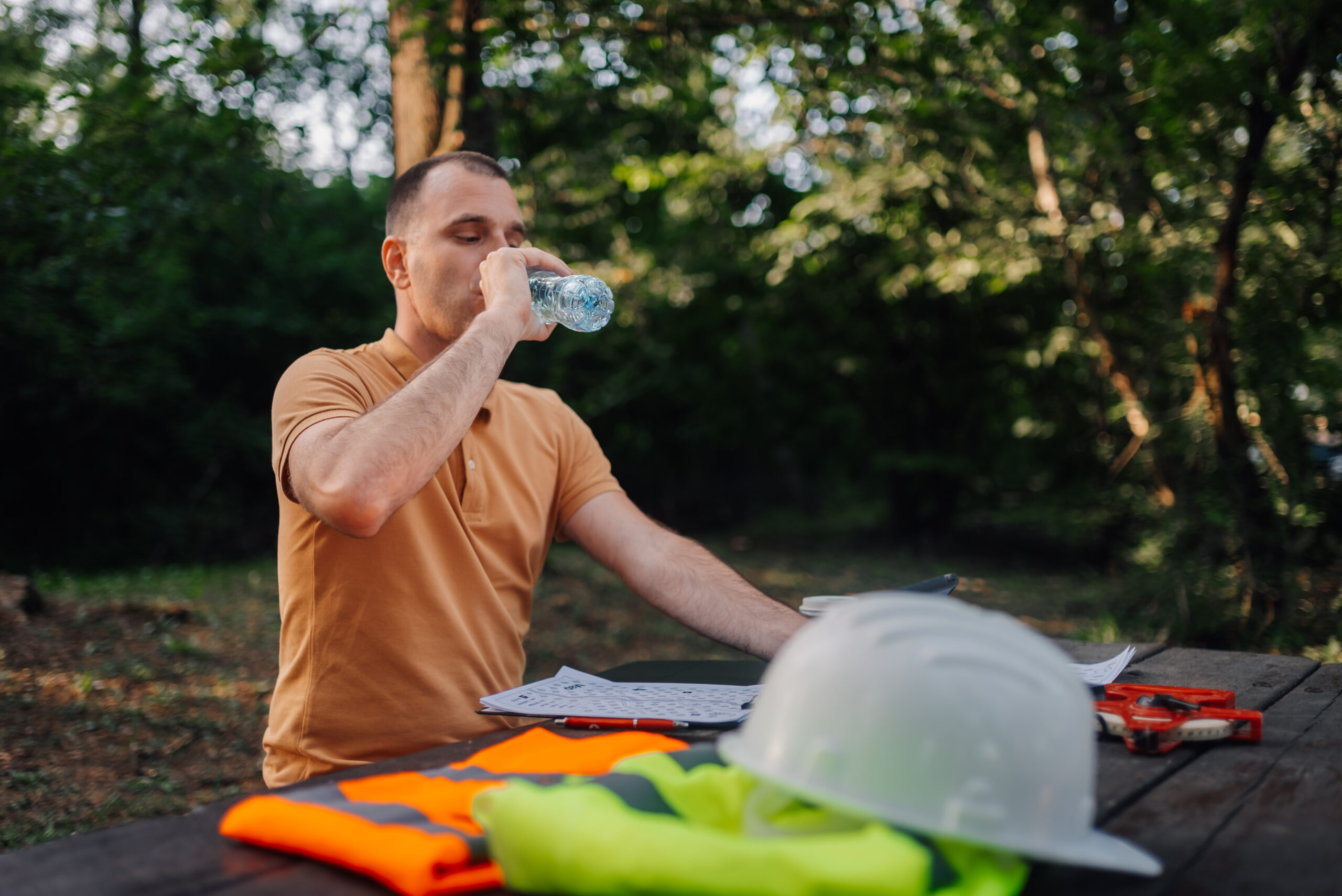
Heat stress occurs when the body can no longer cool itself effectively. Normally, your body regulates temperature through sweating and blood circulation. Sweat evaporates from the skin, which helps cool the body down. However, when temperatures rise too high or humidity increases, this natural cooling process becomes less effective. Additionally, the harder someone works, the more body heat they produce, and eventually the human body will struggle or fail to keep up.
Certain industries face a higher risk of heat exposure than others. Construction crews often work outdoors in direct sunlight, agricultural workers spend long hours in fields during peak summer temperatures, manufacturing facilities may contain machinery that generates additional heat, and utility workers frequently perform physically demanding tasks while wearing protective gear in hot environments.
According to the Occupational Safety and Health Administration (OSHA) most outdoor fatalities, 50% to 70%, occur in the first few days of working in warm or hot environments because the body needs to build a tolerance to the heat gradually over time.
Heat Illness
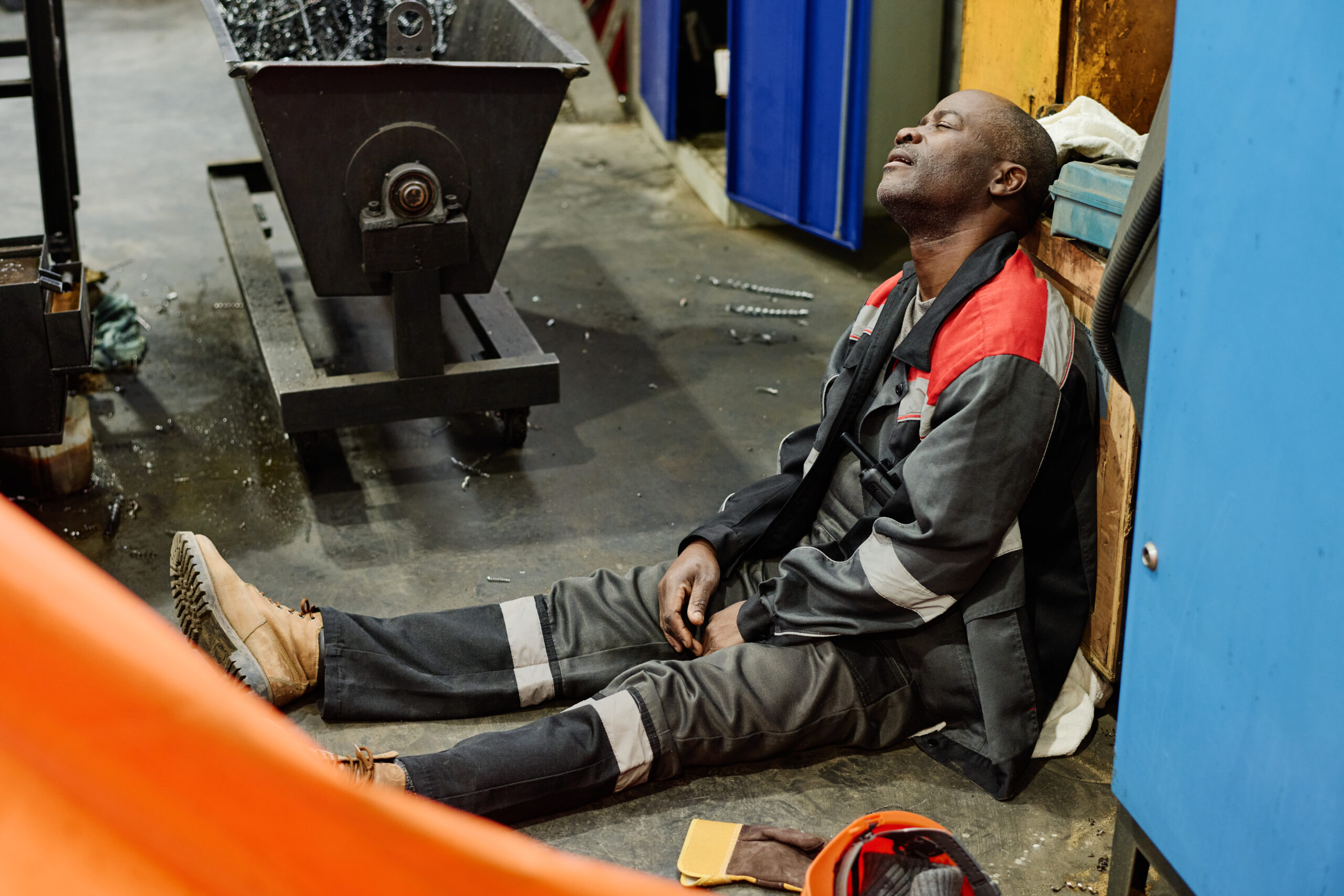
Heat illness can develop when the body becomes overheated and loses too much fluid or salt through sweating. There are several types of heat illness, including:
- Heat Cramps: These cramps appear as painful muscle spasms, usually in the legs, arms, or abdomen. They are caused by dehydration, which often occurs during heavy sweating. If someone develops heat cramps, they should stop working, move to a cooler location, and drink water or an electrolyte-replacement beverage.
- Heat Exhaustion: Heat exhaustion often develops after prolonged exposure to high temperatures combined with physical activity. Common symptoms include heavy sweating, weakness, dizziness, headaches, nausea, and fatigue. Workers may also feel faint or experience difficulty concentrating. If you or someone on your team shows signs of heat exhaustion, move the person to a shaded or air-conditioned area, provide cool drinking water, and allow them to rest.
- Heat Stroke: Heat stroke is the most dangerous form of heat illness and is considered a medical emergency. It occurs when the body can no longer regulate its internal temperature. At this stage, body temperature may rise above 104°F. Symptoms of heat stroke may include confusion, loss of consciousness, seizures, and extremely hot skin. In some cases, sweating may stop entirely, which prevents the body from cooling itself. If someone shows signs of heat stroke, call emergency services, move the person to a cooler area, and begin cooling them with water, ice packs, or wet cloths.
You should encourage workers to speak up if they begin feeling any of the symptoms mentioned above. Early reporting allows supervisors to intervene before the situation becomes dangerous. It is also important for workers to watch out for each other. Someone experiencing heat illness may not realize how serious their condition has become. Coworkers who notice unusual behavior, confusion, or physical distress should report it immediately.

Using PPE in Hot Environments
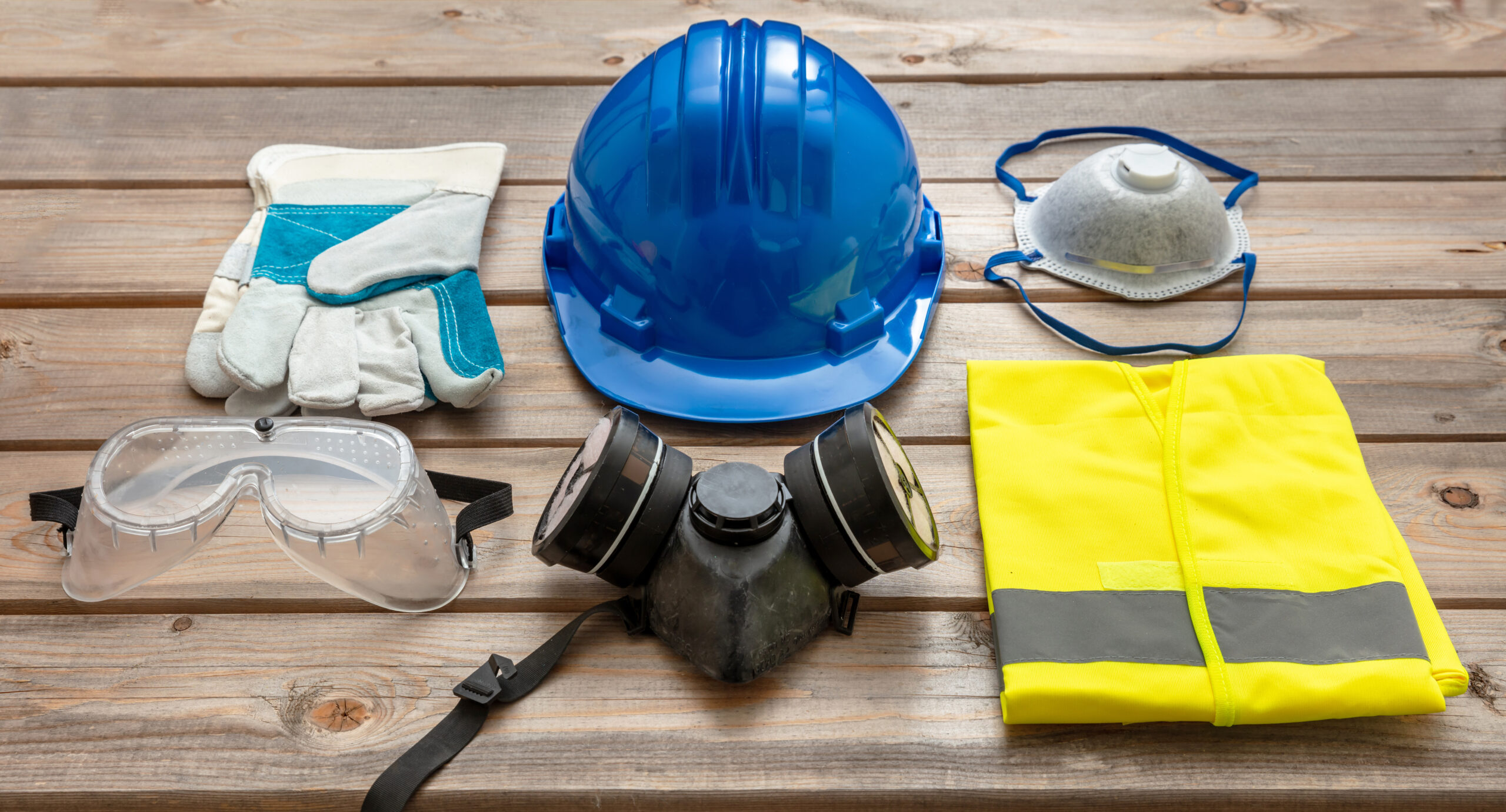
Personal Protective Equipment (PPE) plays a vital role in workplace safety, but it can also increase the risk of heat stress. Many types of PPE trap heat and limit airflow around the body, making it difficult for workers to cool down through sweating and evaporation. For example, protective coveralls, gloves, helmets, and respirators are designed to shield workers from hazards such as chemicals, sparks, or airborne contaminants, but while these items provide essential protection, they also create additional insulation around the body.
When you wear heavy or layered PPE, your body temperature rises faster during physical activity. Over time, this can increase fatigue and raise the risk of heat-related illness. It’s important for employees to recognize that working in full protective gear requires additional hydration, more frequent breaks, and close monitoring of physical condition. Additionally, supervisors should implement strategies that balance safety protection with heat management, such as scheduling regular breaks or selecting lighter or more breathable protective equipment to help reduce heat buildup without sacrificing safety. Implementing the right safety measures is crucial in ensuring that workers remain protected from hazards while also minimizing heat stress.
Preventive Practices That Reduce Heat Risk
Preventing heat illness requires a proactive approach. Training workers to follow simple preventive practices can dramatically reduce the risk of heat-related incidents. Ensure that you are encouraging your workers to:
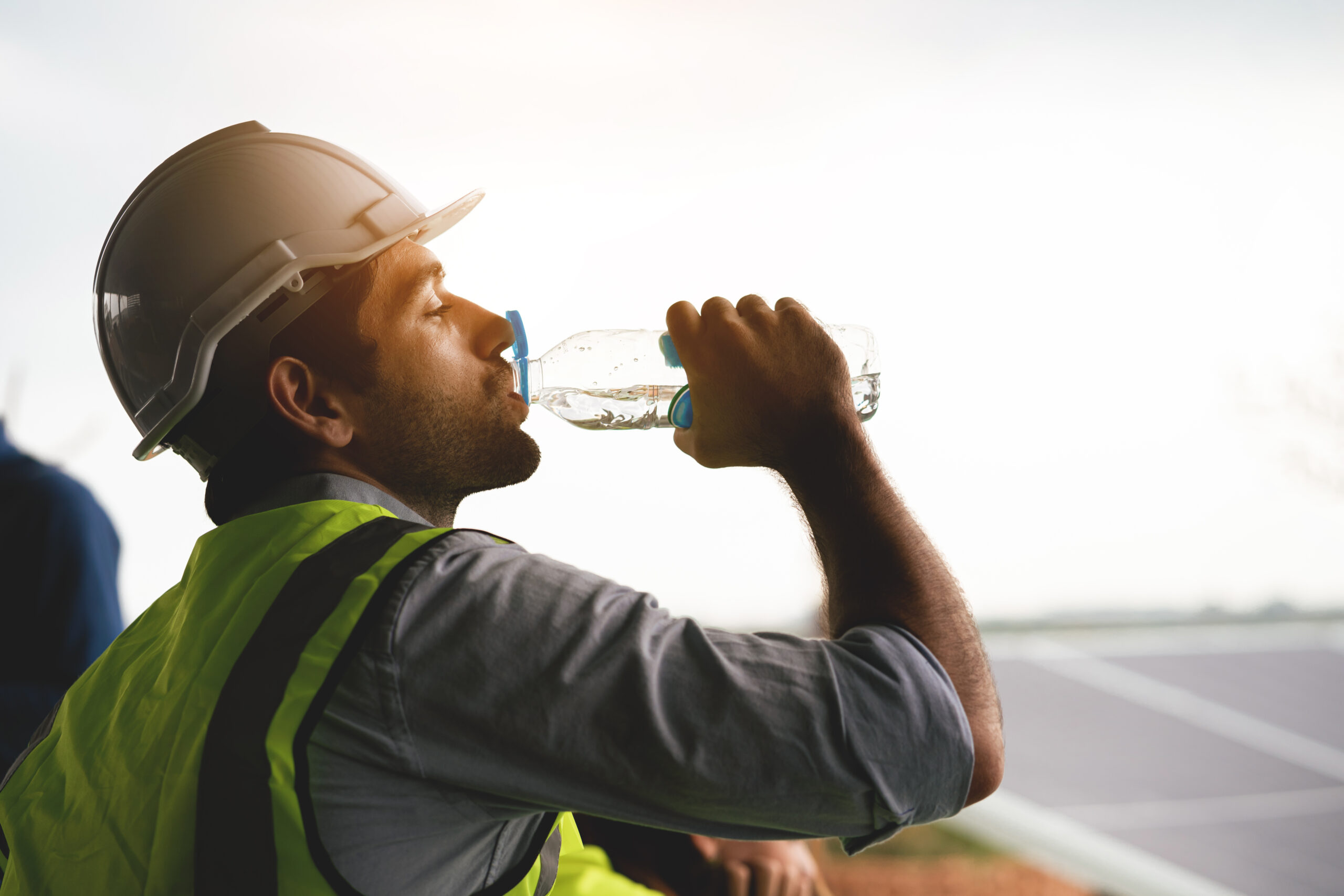
- Drink Water Regularly: Hydration is one of the most effective ways to prevent heat illness. Workers should drink water consistently throughout the day, even if they do not feel thirsty. Thirst is not always a reliable indicator of dehydration. By the time someone feels thirsty, their body may already be losing more fluid than it can replace. Encourage workers to drink water at regular intervals during their shifts, as small amounts of water consumed frequently are more effective than drinking large amounts all at once.
- Work During Cooler Hours: Another effective strategy involves scheduling physically demanding tasks during cooler parts of the day. Early morning and late afternoon often provide lower temperatures than midday hours. Adjusting work schedules when possible helps reduce the amount of heat exposure workers experience. Even small adjustments can make a significant difference in overall safety.
- Take Regular Rest Breaks: Regular rest breaks allow the body time to recover from heat exposure. During these breaks, workers should move to shaded areas or cooled environments where they can relax and hydrate. Breaks should be taken on a periodic basis rather than having workers wait until they feel like they can’t continue working.
- Acclimate to Hot Conditions: The body needs time to adjust to high temperatures, a process known as acclimatization. Planning for a gradually increasing exposure to hot conditions allows the body to adapt over time. For example, having new or returning workers begin with shorter shifts or lighter workloads before transitioning to full duties lets them get used to the heat before they begin working hard in it. This gradual adjustment improves the body’s ability to regulate temperature and reduces the likelihood of heat illness.
Reinforcing these habits through training and supervision helps create a work environment where employees understand how to protect themselves and their coworkers from heat-related risks.
Conclusion
Summer heat presents a serious safety challenge for many workplaces. High temperatures, humidity, and physically demanding work can quickly create dangerous conditions if proper precautions are not in place. But when you provide workers with clear training on hydration, protective equipment, and early warning signs of heat illness, you equip them with the knowledge they need to stay safe.
Investing in heat safety training protects your workforce. It reduces incidents, improves productivity, and helps ensure operations continue safely even during the hottest months of the year. When workers understand the risks and know how to respond, they can perform their jobs with greater confidence and awareness, and that knowledge creates a safer workplace for everyone.
Capability’s online safety training courses help to educate employees on workplace safety and health regulations, policies, and best practices. These courses cover a wide range of topics–including Heat Awareness–all designed to fit the needs of various industries. To find the courses you need for your business today, click here.