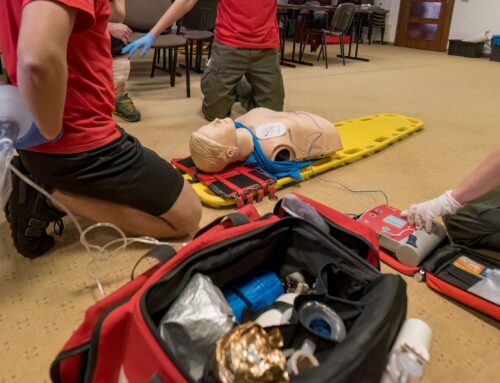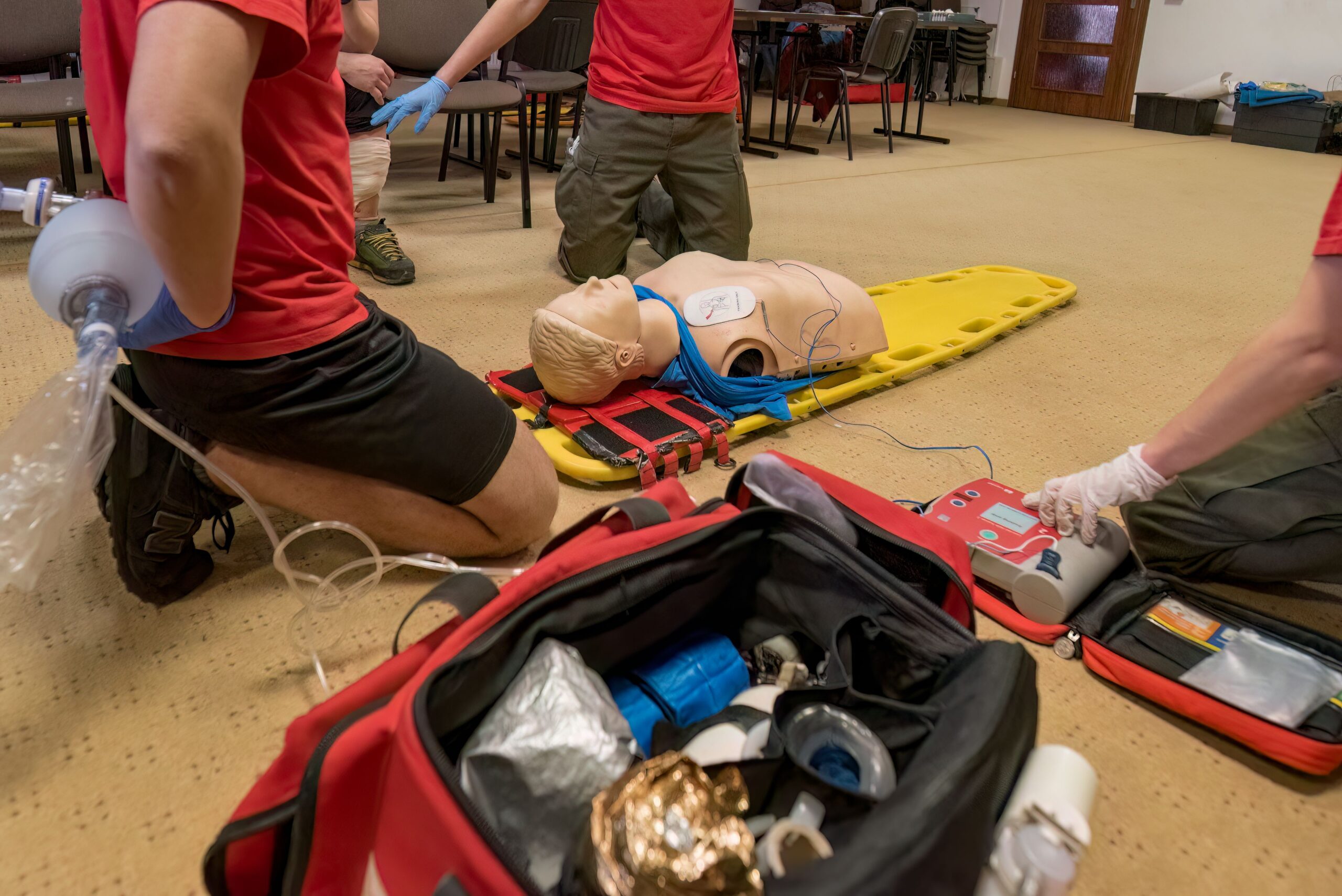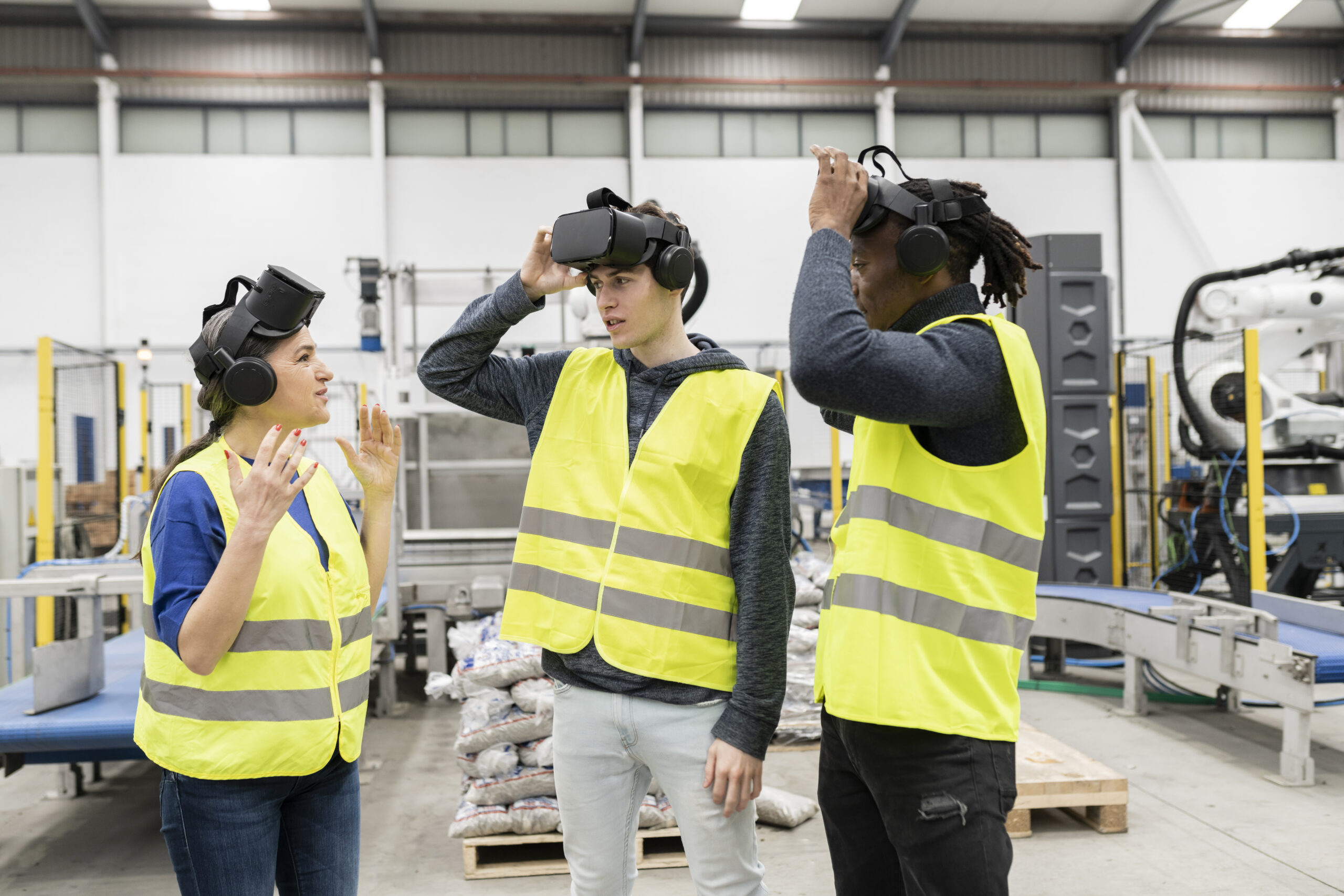
No matter the industry, safety training is necessary to keep workers protected on the job. However, it comes with a fair set of challenges. Traditional training methods, such as lectures and textbooks, can be dry and difficult to retain. The struggle for any organization is, “How do we administer safety training in a way where employees will retain the information and work safely?” This has been talked about a lot, and there are a lot of different solutions that have been brought up. Today, we want to bring up a recent development in the world of safety that might just be a game-changer: Virtual Reality.
Recently, Virtual Reality (or VR) has emerged as a training solution that promises to replicate real environments for simulated training that allows learners to practice tasks, experience hazards, and get immediate feedback, all without the physical risks involved with training in real-world environments. But the big question is: Is VR truly revolutionizing safety training, or is it just the latest technology trend that will fade over time?
Today, many industries face high workforce turnover, making it necessary to train new employees quickly and effectively. At the same time, modern workplaces are dealing with increasingly complex hazards, from chemical exposure to high-risk machinery. Competency isn’t just about knowing procedures, but rather, it’s about demonstrating the ability to act safely under pressure. VR promises a way to meet these needs, but it’s important to separate the hype from the reality.
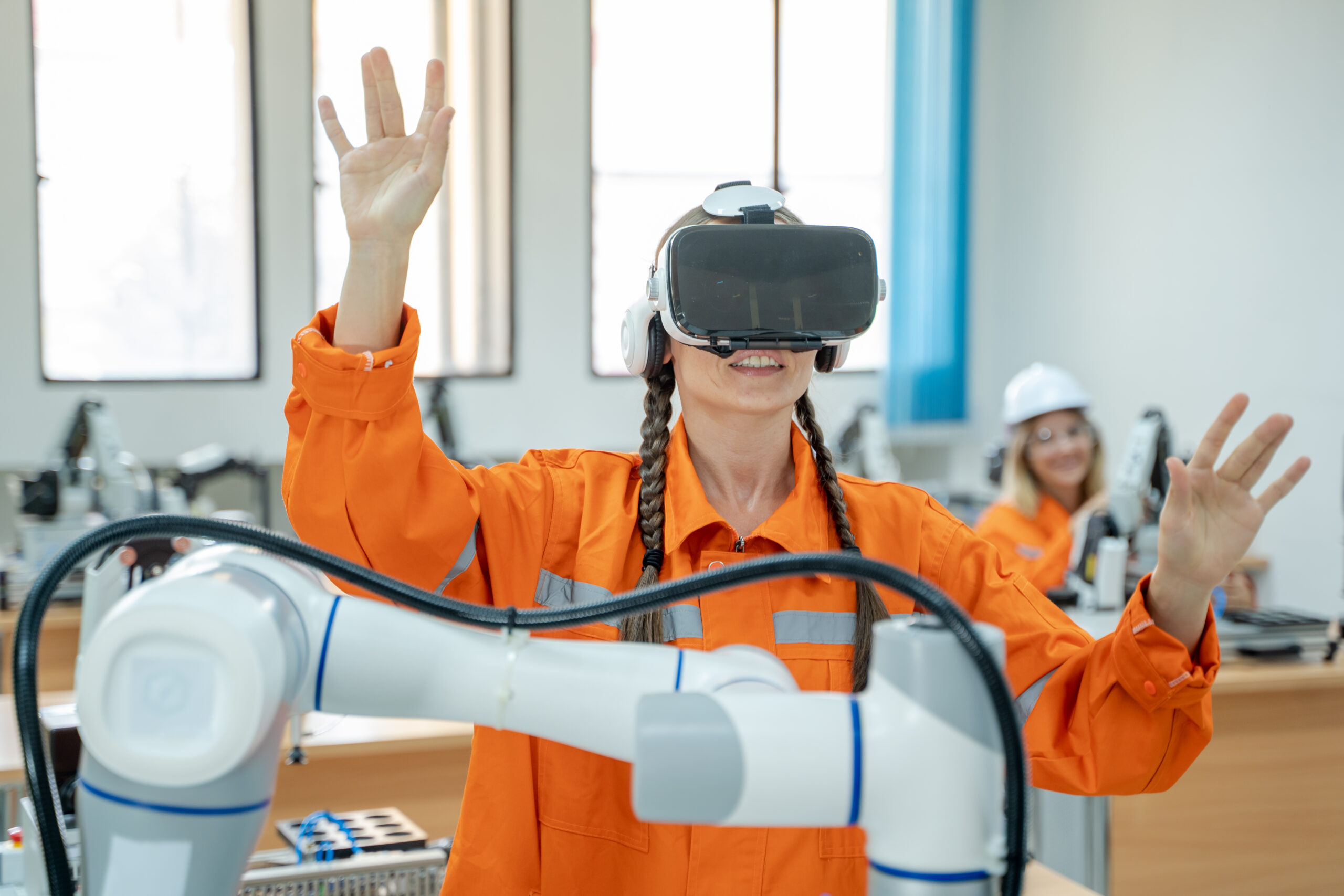
Why Are Companies Utilizing VR for Safety Training?
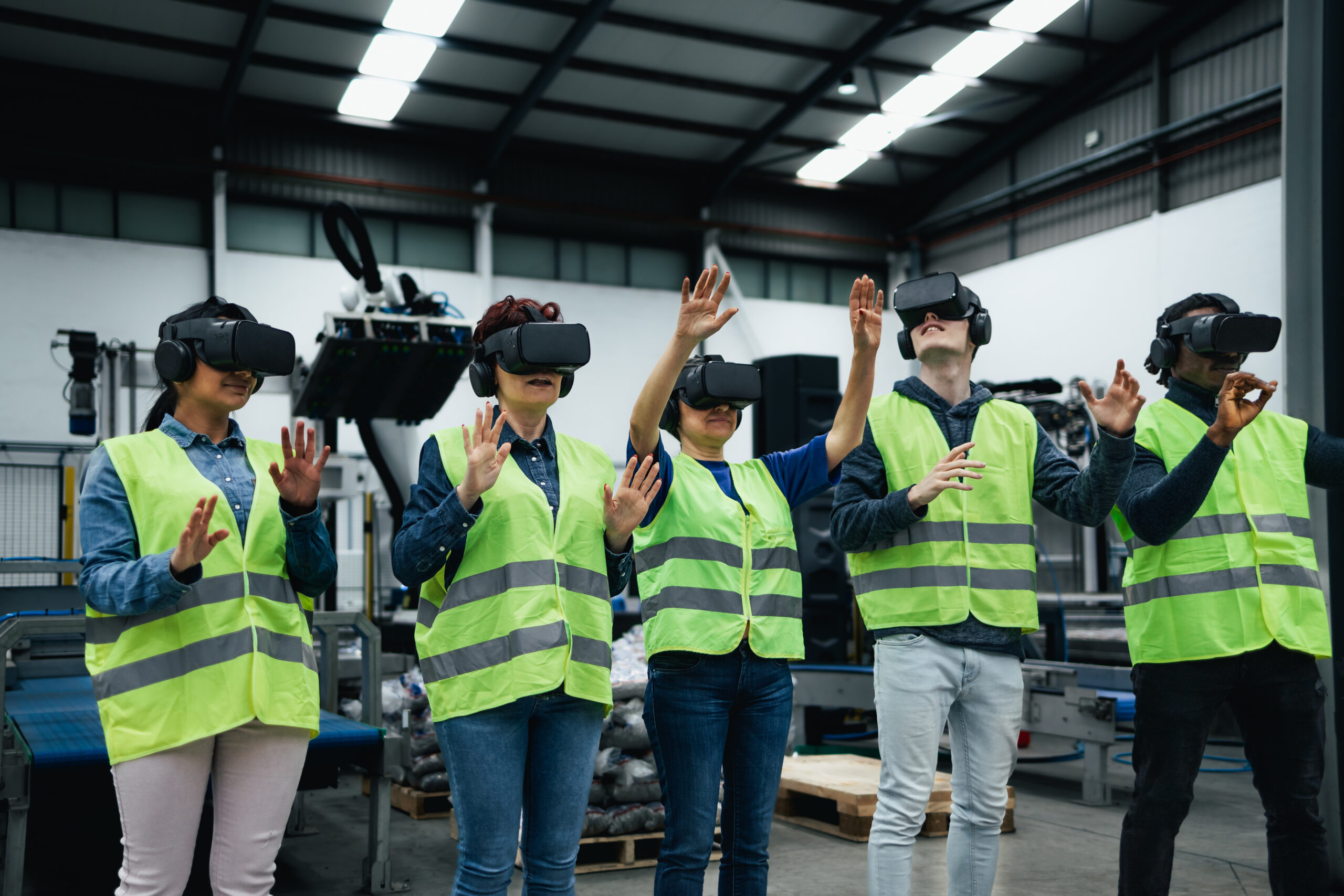
Companies are turning to VR for several reasons. First, there’s a push for more engaging, hands-on learning. As previously stated, traditional classroom training can feel passive. Workers may sit through presentations or watch videos without fully absorbing the material. VR, by contrast, places them inside a real life scenario. They can navigate a virtual plant, identify hazards, or perform safety procedures as if they were actually on site. This type of active learning can increase engagement and make lessons more memorable.
Second, companies see VR as a way to reduce incidents, and for good reason. Why do incidents happen? Well, we would say that incidents usually happen because workers are unprepared for real-world hazards. Obviously the point of safety training is to prepare workers for the hazards they will face on the job, but there’s a difference between reading about a procedure in a textbook and physically performing the procedure. It’s a well-known fact that people learn better by doing. Giving someone the ability to practice a procedure in a controlled virtual environment allows them to experience high-risk situations without being exposed to that risk.
Third, there’s a general interest in using technology to modernize safety programs (just look at how many companies are implementing AI into their programs). Many organizations want to be seen as innovative and forward-thinking: no one wants to seem behind the times. VR offers that “wow factor,” signaling that a company invests in the latest tools to keep employees safe.
Finally, VR holds the promise of shortening the time it takes to reach competency. This is the big one. Traditional training can take days or even weeks to fully prepare a worker for complex tasks, while VR allows learners to repeat exercises as many times as needed and receive instant feedback. This accelerated learning can help new employees get up to speed faster, which is especially valuable in high-risk industries with tight timelines and critical safety requirements, such as Construction and Manufacturing.
VR in Safety Training: Pros vs. Cons
Like any tool, VR has strengths and weaknesses, and it’s important to be fully aware of both. We looked at a lot of strengths and weaknesses and have prepared here what we believe are the three biggest pros:
- Immersive Hazard Simulation: VR can place employees in lifelike scenarios that are too dangerous, expensive, or impractical to replicate in real life. Workers can practice emergency response, equipment handling, and other high-risk tasks safely. This type of simulation helps workers internalize hazards and understand the consequences of mistakes without being exposed to the real-world danger of them.
- Repeatable Practice with Real-Time Feedback: Learners can repeat scenarios multiple times until they get it right. Immediate feedback ensures they learn from mistakes and gain confidence. This repetition builds both cognitive understanding and muscle memory, making it more likely they will perform work safely on the job.
- Improved Engagement and Retention: Training that is interactive and immersive naturally holds attention better than traditional methods.
As mentioned, VR also comes with challenges. Here are three major cons that we identified in our research:
- High Cost and Infrastructure Needs: VR hardware and software isn’t cheap. You have to invest in headsets, computers, software licenses, and ongoing maintenance. There may also be costs for dedicated VR space and technical support. For smaller organizations especially, this investment can be prohibitive.
- Limited Industry-Specific Content: While VR libraries are growing, not every industry or job has VR training programs readily available for purchase. Developing custom VR scenarios can be time-consuming and expensive, requiring specialized expertise. This limits the immediate usefulness of VR for highly specialized roles or unique work environments.
- Challenges Integrating VR into Existing Workflows: VR may not easily fit into a company’s current way of training. Employees may need guidance on when and how to use VR, and trainers may require new skills to monitor and evaluate progress. Without careful planning, VR can become a disconnected experience rather than a fully integrated training tool, rendering it useless.
How to Decide If VR Is Right for You
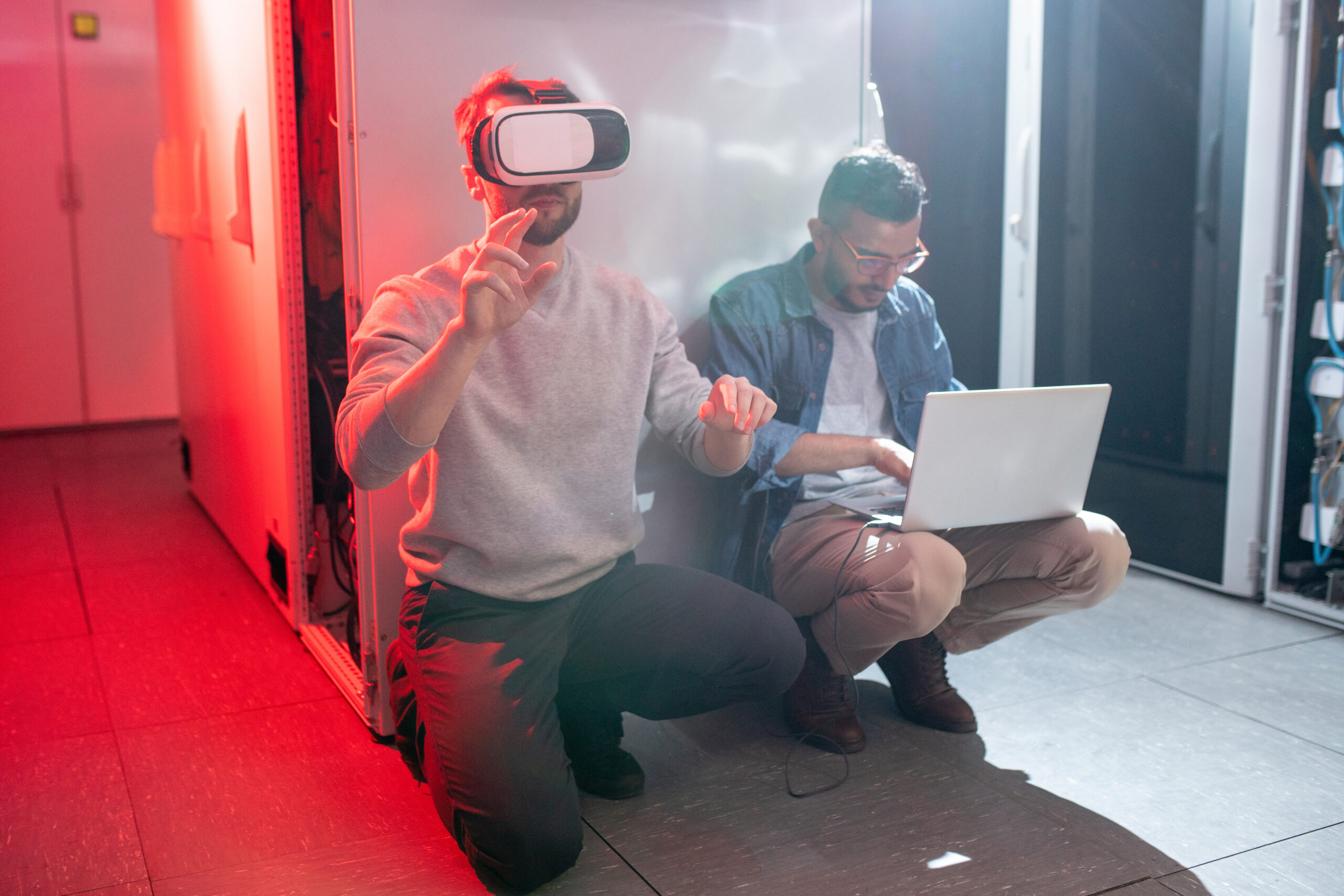
VR isn’t a universal training solution, so it’s important to evaluate whether it fits your needs before you invest. Here’s how to make that decision:
- Identify the Hazards or Skills That Benefit from Immersive Practice: VR works best for high-risk or complex tasks that are dangerous to practice in real life. Low-risk or routine tasks may not justify the investment.
- Consider Budget, Scale, and Workforce Readiness: Evaluate whether your organization has the resources to implement VR effectively. Consider how many employees need training, whether they are comfortable with technology, and whether your company can support the necessary infrastructure.
- Evaluate Whether Simpler Methods Could Achieve the Same Results: VR isn’t always the only or best option. Sometimes scenario-based eLearning, team training with hands-on mock-ups, or interactive video lessons can meet the same objectives at a lower cost and with fewer logistical challenges.
The Future of VR in Safety Training
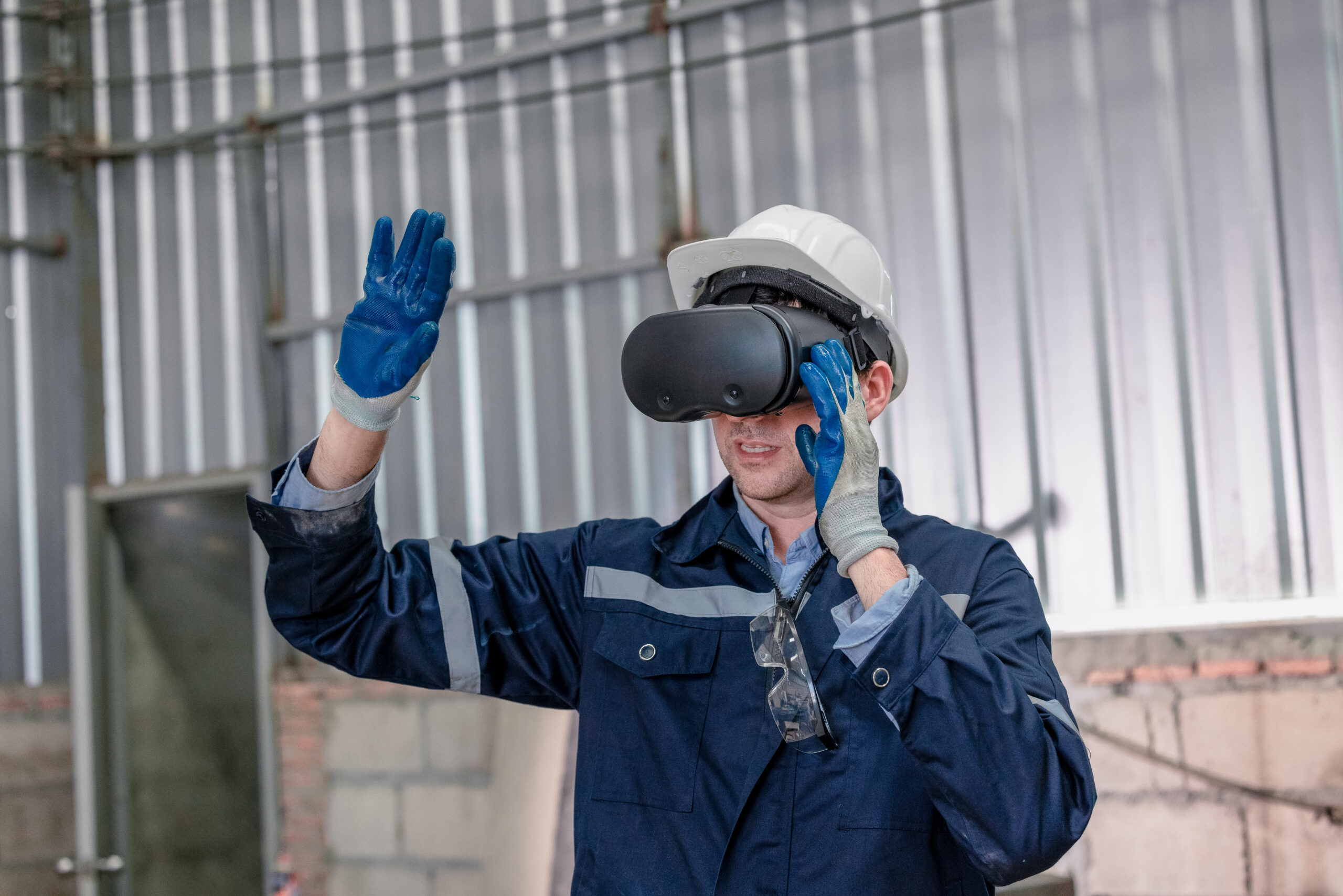
Despite the challenges, the future of VR in safety training looks promising. Hardware is becoming more affordable, lighter, and easier to use. Content creation tools are improving, allowing companies to develop custom training scenarios more quickly. AI-driven simulations are also on the horizon, offering adaptive learning paths tailored to each employee’s performance and learning style.
Blended learning is another likely trend (which some organizations are already implementing). This involves combining VR with already-existing training solutions, making it an enhancer rather than a replacement. A worker might start with classroom instruction, move to VR for hands-on practice, and then apply the skills in a controlled real-world environment. This combination can help maximize retention and build confidence.
Over time, VR may become a mainstream tool for high-risk industries, particularly those where mistakes have serious consequences. However, it’s unlikely to fully replace other training methods. Remember that VR is best used strategically, in situations where immersive practice provides measurable value.
Conclusion
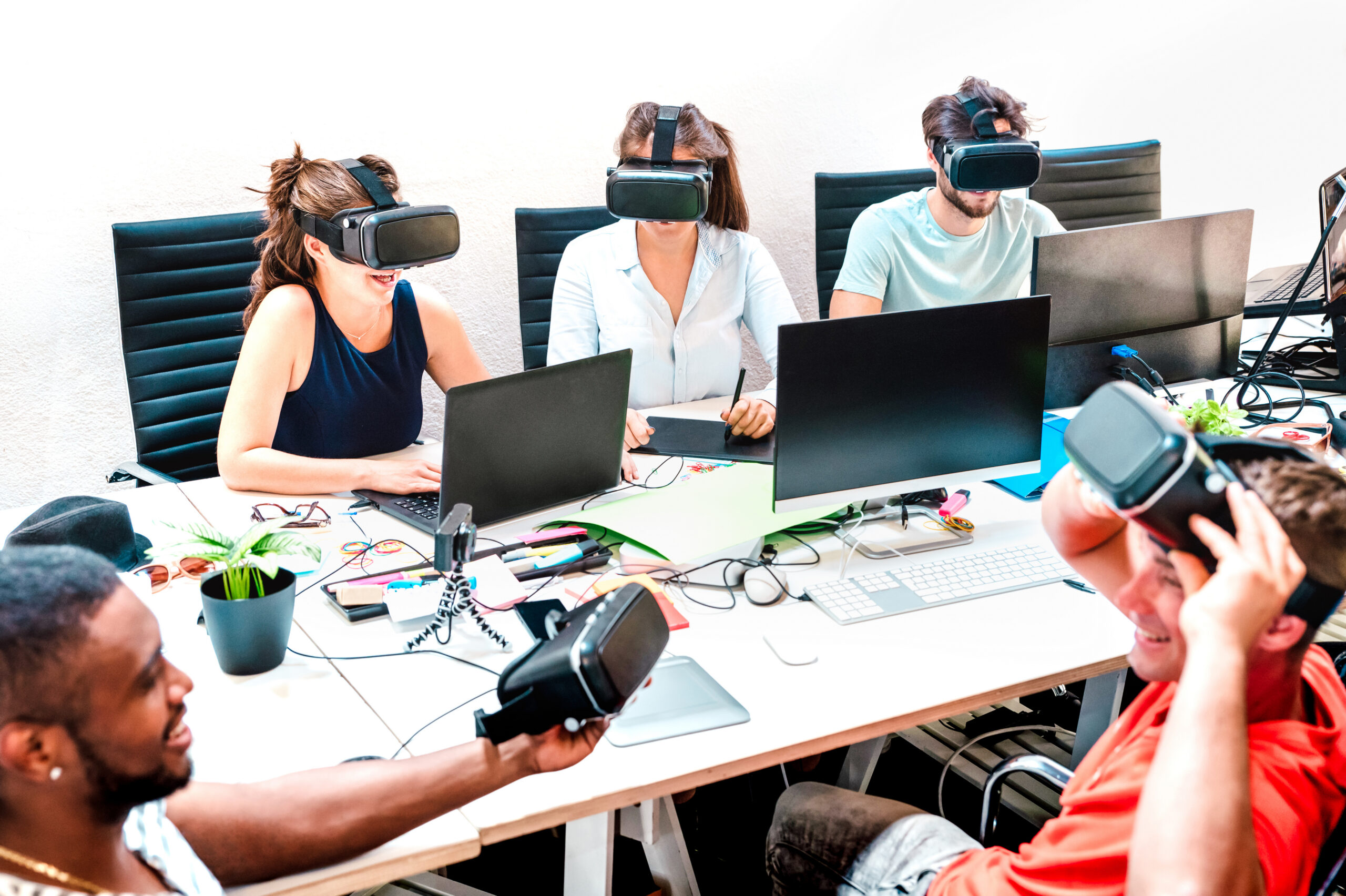
So, is VR a game-changer in safety training? The answer depends on your training goals. For high-risk, complex tasks, VR offers unmatched opportunities for immersive practice, repeatable scenarios, and engaging learning experiences. But it comes with significant costs, content limitations, and integration challenges.
VR has real value, but only when used intentionally. Companies must clearly define the training problem they are trying to solve, choose VR scenarios that match their hazards, and ensure the technology complements their existing programs. When implemented thoughtfully, VR can help employees learn faster, retain more, and stay safer on the job. Used poorly or simply for the “wow factor,” however, and it risks becoming just another expensive trend.
In the end, VR’s promise is real, but its success depends entirely on how it is applied. For organizations willing to invest wisely and target the right hazards, VR can be a true game-changer in safety training. And we have no doubt that as technology progresses, leading to more affordable VR solutions, many more organizations will begin implementing VR in their safety training programs.
Capability’s online safety training courses help to educate employees on workplace safety and health regulations, policies, and best practices. These courses cover a wide range of topics, all designed to fit the needs of various industries. To find the courses you need for your business today, click here.