
If you manage field teams or contractors, then you know that travel is a standard component of work operations. Crews drive to job sites, contractors move between locations, and supervisors spend hours on the road every week, and despite how routine travel feels because of this, it is one of the most dangerous (and often overlooked) parts of the job. Many serious injuries and fatalities happen during the drive, before work even begins. Not only does this lead to serious liability issues, but it can also delay projects, which can be costly. This is why travel safety training is so important.
Travel safety training helps your team recognize risks, make better decisions, and slow down before something goes wrong. When done well, it reduces injuries, protects your organization, and shows workers and contractors that their safety matters not only when they are on the job site, but while traversing every mile it takes to get there.
In this article, we’ll walk you through how to give effective travel safety training to your team by explaining the risks, telling you the training topics that matter most, and giving you practical ways to deliver training that field teams will actually use.

Common Travel Hazards for Field Teams and Contractors
Travel is risky because it happens outside controlled work environments. Once your people leave the shop or office, they are exposed to traffic, weather, road conditions, and other drivers who may not be paying attention. Unlike a job site, you cannot control most of these factors.
Travel hazards for field teams and contractors are often underestimated because driving feels routine. In reality, travel exposes workers to risks that change constantly and are often outside the organization’s control, such as:
- Vehicle-Related Hazards: Vehicle crashes, mechanical failures, and unsafe vehicle use are leading causes of serious injuries for field personnel and contractors. These hazards often result from skipped inspections, poor maintenance, overloaded vehicles, or improper use of company or personal vehicles.
- Environmental Hazards: Weather conditions such as rain, snow, ice, fog, extreme heat, and high winds can significantly affect visibility, traction, and driver alertness. Road conditions may vary from paved highways to gravel roads, steep grades, or poorly maintained access routes. Additionally, wildlife crossings, fallen trees, construction zones, and roadway debris create sudden hazards that require quick reactions. Swerving to avoid obstacles is a common cause of rollovers and loss of vehicle control. Training should emphasize controlled braking, scanning ahead, and reducing speed in bad weather conditions and areas where obstacles are more likely.
- Personal Safety Risks: Workers traveling for field work may encounter theft, harassment, or violence, particularly when stopping in unfamiliar areas or working alone. Overnight stays, parking in unsecured areas, and travel through high-crime locations can increase exposure. Training should encourage situational awareness and planning to reduce personal safety risks during travel.
- Medical Emergency Risks: Medical issues such as heat stress, dehydration, fatigue-related illness, or chronic health conditions can become serious during travel due to delayed access to medical care in remote locations. Travel safety training should reinforce the importance of hydration, self-monitoring, and having a plan for medical emergencies.
- Human Factors: Fatigue, distraction, time pressure, and stress are present in most travel-related incidents. Long shifts, early start times, and extended driving reduce reaction time and impair judgment. Training should help workers recognize these conditions early and understand that stopping or delaying travel is a safe and supported decision.
After reviewing these hazards, reinforce that most travel incidents involve multiple contributing factors rather than a single failure. Effective training helps workers identify how these risks combine and teaches them how to intervene before conditions deteriorate.

Core Elements of Effective Travel Safety Training
Effective travel safety training focuses on what workers can control before and during travel, and provides practical tools for managing risk in real-world conditions. These elements include:
- Pre-Trip Planning: Pre-trip planning involves planning the route, estimating driving time, checking weather forecasts, road conditions, and recognizing known hazards before departure. This process helps workers identify higher-risk trips and determine whether adjustments are needed. Training should emphasize that delaying or modifying travel is an acceptable and responsible safety decision.
- Vehicle Inspection: Workers should be trained to check tires, brakes, lights, mirrors, fluids, and safety equipment prior to travel. Inspections should be documented and vehicles should be removed from service if safety concerns are identified.
- Safe Driving Expectations: Safe driving includes obeying speed limits, wearing seat belts, maintaining safe following distances, and avoiding aggressive or distracted driving. Workers should understand that defensive driving is expected, especially in unfamiliar or changing conditions, and that production or schedule pressure never justifies unsafe driving.
- Fatigue Management: Training should help workers recognize signs of fatigue and understand how extended driving, long shifts, and inadequate rest affect performance. Workers must feel supported in stopping, resting, or postponing travel when they are not fit to drive.
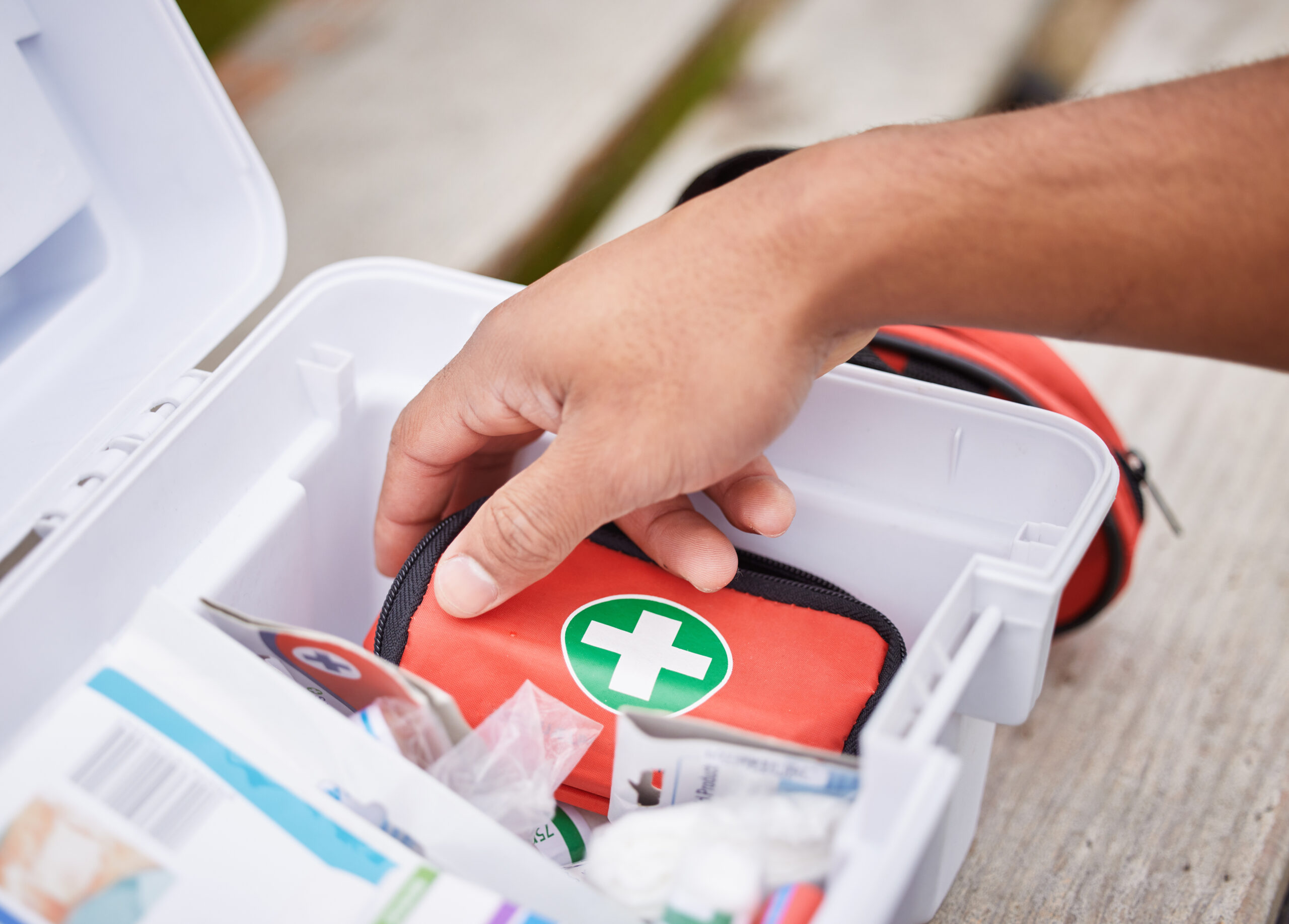
- Emergency Preparedness and Response: Training should cover crash response, breakdown procedures, first aid basics, and roadside safety practices. Additionally, training should identify required items such as first aid kits, reflective vests, warning devices, water, flashlights, and seasonal gear, and teach employees how to use this equipment. Knowing what to do ahead of time reduces panic and improves outcomes.
These elements give workers a consistent framework they can apply to any trip.
Training Delivery Methods That Work for Field Teams
Training is only effective when it is accessible and relevant to how field teams work. The following methods help ensure training is absorbed and applied in the field:
- Mobile-Accessible Training Platforms: Mobile access allows workers to complete training from job sites, vehicles during downtime, or remote locations. This flexibility increases completion rates and reduces scheduling challenges.
- Short, Focused Training Modules: Short modules help maintain attention and improve retention. Each module should focus on a specific travel risk or decision point. This format allows workers to revisit topics as needed without repeating the entire course.
- Scenario-Based Learning: Scenario-based training presents realistic travel situations that require decision-making. These scenarios help workers think through consequences and practice applying safety principles. Using examples from actual incidents increases relevance and engagement.
- Video-Based Instruction: Video helps demonstrate conditions that are difficult to explain with text alone. Visual examples of inspections, weather impacts, and roadside hazards make training more relatable.
- Documented Training Completion: Documentation ensures accountability and supports compliance requirements. Training records help confirm that workers and contractors have received consistent information. These records also support continuous improvement efforts.
After delivering training, encourage feedback from workers. Their experience helps ensure training reflects real conditions and continues to improve over time.

Integrating Travel Safety Into Existing Safety Programs
Travel safety is most effective when it is treated as part of the overall safety system. Integrating travel safety into existing processes reinforces that travel is a job task with real risks. To do this, be sure to utilize:
- Job Hazard Analyses: Including travel hazards in job hazard analyses ensures risks are identified before work begins. This practice reinforces that travel is part of the job, not a separate activity. Controls should be documented and reviewed regularly.
- Pre-Job Briefs and Toolbox Talks: Pre-job discussions and toolbox talks provide an opportunity to review travel routes, weather, and expectations. These conversations help align teams before they leave and help to prevent complacency and remind workers of expectations.
- Near-Miss and Incident Reporting: Near-miss reporting provides valuable insight into travel risks without waiting for serious incidents. Encouraging reporting without blame helps identify trends. This information should be used to improve training and procedures.
The only way to ensure these will become standard in the workplace is by having leaders encourage and lead them consistently. Worker behavior is modelled by leaders. Consistent leadership messaging builds trust and reinforces expectations.

Conclusion
Travel safety deserves the same attention as job site hazards, equipment safety, and work procedures. Investing in consistent travel safety training helps to reduce injuries, protect your organization, and show your people that their lives matter beyond the job site.
Clear expectations, practical training, and visible leadership support make the difference. When workers know they are supported in making safe decisions, they are more likely to slow down, speak up, and plan ahead.
If you have employees who are on the road a lot, take a look at your current safety training program to determine whether they are being equipped with the tools they need to stay safe during the time in-between job sites. If not, it may be time for an update.
Capability’s online safety training courses help to educate employees on workplace safety and health regulations, policies, and best practices. These courses cover a wide range of topics all designed to fit the needs of various industries. To find the courses you need for your business today, click here.