Have you ever sat through a safety training session and felt like it didn’t apply to you? Maybe the material was too basic to hold your attention, or too advanced to make sense at your skill level. That’s a common problem with traditional training methods; they tend to treat everyone the same, even though no two people learn in exactly the same way. That’s why adaptive training is becoming more common in safety training.
Adaptive learning is a smarter, more personalized approach to training. Instead of giving you the same content as everyone else, it tracks your performance and adjusts content to match your strengths and weaknesses, creating a learning experience that is tailored specifically to you. This means that if you already understand a concept, you can move past it quickly, and if you’re struggling, the system will give you more practice and support.
This approach is especially important in safety training, where gaps in knowledge can lead to serious consequences. Adaptive learning helps close those gaps by making sure you fully understand what you need to stay safe on the job. After all, what’s the point of taking training if it doesn’t keep you safe?
In this article, we’ll discuss the reasons traditional training often fails to create meaningful change, how adaptive learning improves safety, and the challenges organizations face when trying to implement adaptive learning into their training program.

Why Traditional Safety Training Falls Short
To understand why adaptive learning is so valuable, it helps to look at where traditional safety training falls short. The main problems with traditional training include:
- One-Size-Fits-All Structure: Most safety programs are designed to deliver the same content to every employee. Whether you’re brand new or have years of experience, you’re expected to go through the exact same material. This often leads to frustration and wasted time as employees go through training they feel doesn’t apply to them. Experienced workers may feel bored listening to things they already know, while newer employees may feel overwhelmed and struggle to retain all of the information.
- Limited Engagement: Traditional training often relies on slide presentations or long classroom lectures—passive formats which makes it harder to stay focused. When you’re not actively engaged, you’re less likely to retain the information.
- Lack Of Retention Tracking: Just because someone completes a training lesson, that doesn’t mean they understand it. Many training programs measure success by completion rates rather than comprehension, but this creates a false sense of confidence, where employees appear trained but may not be fully prepared to apply what they’ve learned.
When training isn’t effective, employees are more likely to make mistakes, overlook hazards, or fail to follow proper procedures. That’s why many organizations are looking for better solutions. Fortunately, a better solution is here.

How Adaptive Learning Improves Safety Training
Adaptive learning directly addresses the weaknesses of traditional training and creates a more effective experience for you and your team, and it does this in several ways. Firstly, instead of repeating information you already know, adaptive learning focuses on areas where you need improvement. It does this using AI algorithms to analyze performance data in real time and adjust the learning path, content difficulty, and resources based on the individual. If you’re breezing through one course but struggling with another, it will automatically shift the focus of your training onto the areas where you are struggling, as this is where you need training the most. Because the training is tailored to your needs, you can reach proficiency more quickly. You’re not held back by material you’ve already mastered, and you get extra support where you need it most.
Unlike traditional training (even online training), adaptive learning doesn’t rely on a single final exam to see where you’re at at the end of a lesson. Instead, it evaluates your performance throughout the entire training process and makes adjustments as you go, providing a more accurate picture of your understanding and helping to ensure you’re truly prepared.
Training that is engaging and relevant leads to higher knowledge and skill levels, better decision-making, and safer behaviors.
Key Technologies Behind Adaptive Learning
Adaptive learning is powered by several advanced technologies that work together to create a personalized experience. These include:
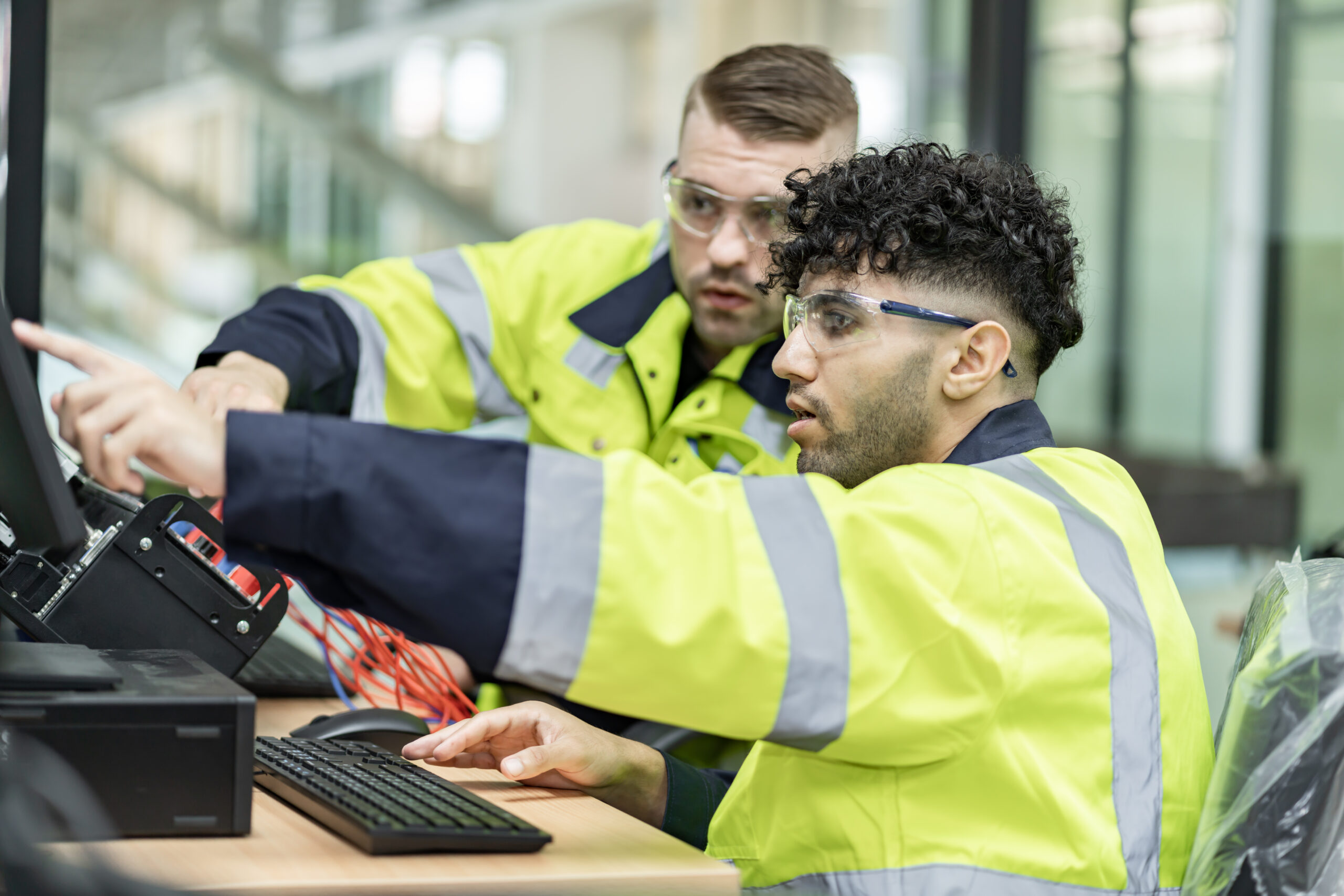
- Artificial Intelligence: AI plays a major role in adaptive learning systems. It analyzes your behavior, tracks your progress, and determines how the content should be adjusted. For example, if you consistently answer certain types of questions incorrectly, the system will recognize that pattern and provide additional support.
- Learning Analytics: These systems collect and analyze data from your training activities to identify trends, such as common areas of difficulty across a team. Organizations can use this information to improve training programs and address potential risks before they lead to incidents.
- Mobile Learning Platforms: Today, adaptive learning can be delivered through mobile-friendly platforms, which means you can access training anytime and anywhere. This flexibility makes it easier to fit training into busy schedules and reinforces learning in real-world environments. It also allows for refresher training on the jobsite, which is especially helpful if someone forgets a step in a procedure or the correct equipment to use.
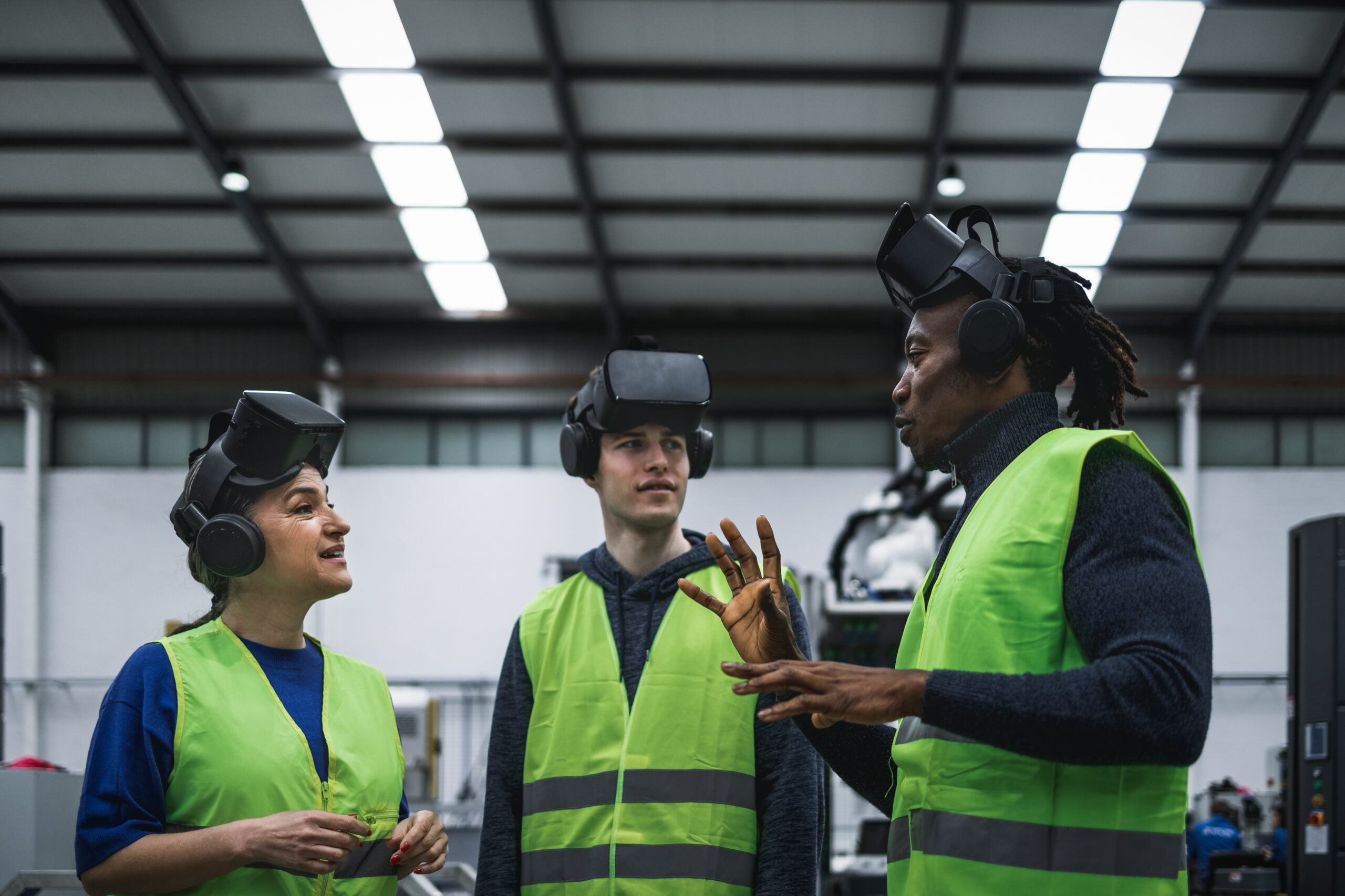
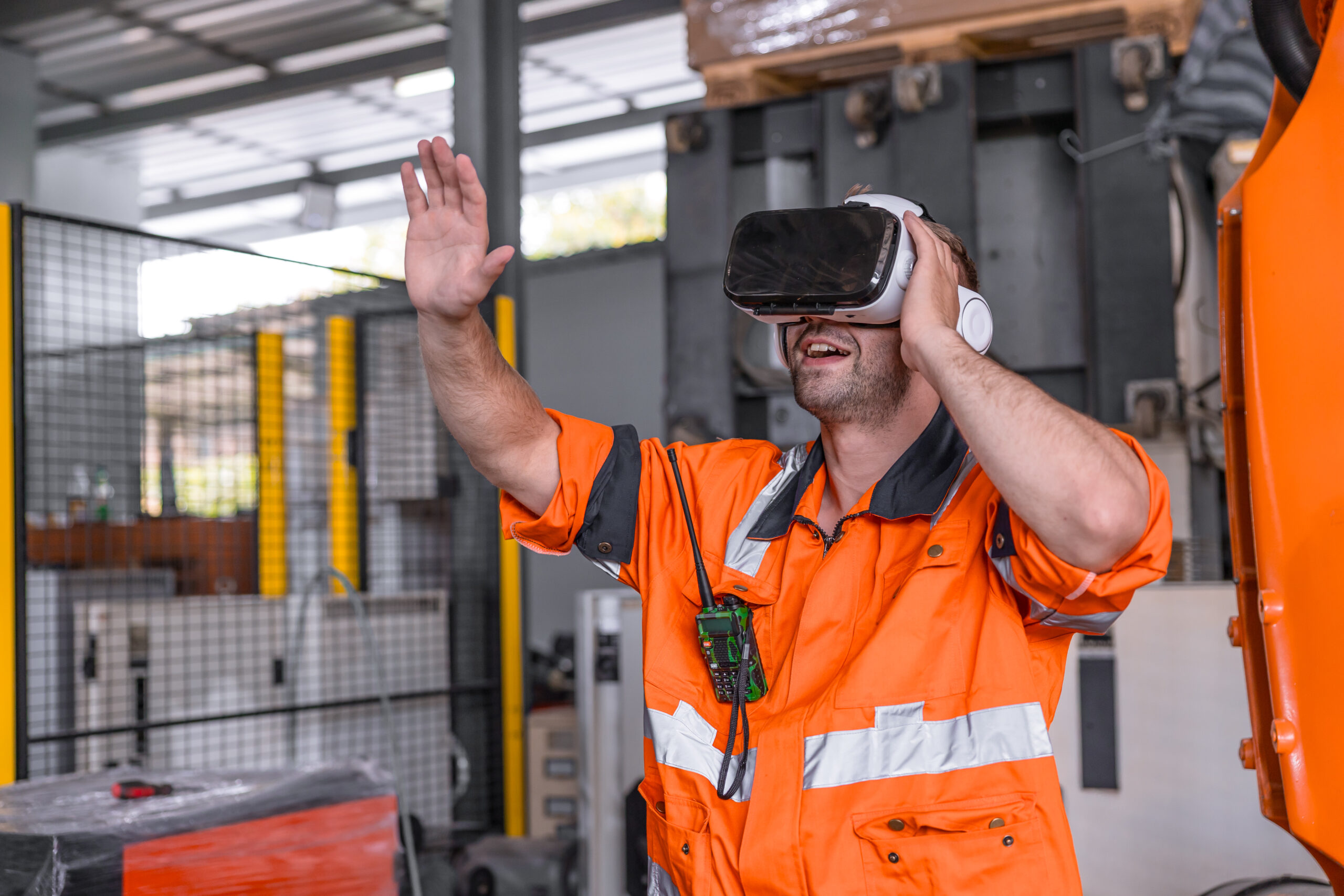
- Virtual And Augmented Reality: Some advanced systems use immersive technologies to create realistic training scenarios. These allow you to practice responding to hazards in a safe environment. Because the experience feels real, it helps build confidence and prepares you for actual situations.
Together, these technologies create a training experience that is more engaging and more convenient for learners.
Challenges and Considerations
While adaptive learning offers many benefits, it’s not without its challenges. It’s important to consider these potential drawbacks when implementing or using adaptive learning systems across your organization. Common challenges include:
- Implementation Costs: Setting up an adaptive learning system requires an initial investment in technology and content development. This can be a barrier for some organizations, especially smaller ones, but many find that the long-term benefits outweigh the upfront costs.
- Data Management: Adaptive learning relies on accurate data to function properly. This means organizations need systems in place to collect, store, and analyze that data effectively. Poor data quality can limit the effectiveness of the training.
- Change Management: Moving from traditional training to adaptive learning can be a big shift, and employees and leadership may need time to adjust to the new approach. Clear communication and proper training can help ease this transition through this period.
- Content Quality: Even the most advanced system won’t be effective if the content is poorly designed. Adaptive learning depends on high-quality material that is accurate, relevant, and aligned with real-world scenarios. It’s important to have a good Learning Management System (LMS) that can give your organization access to the training you need as soon as you need it.
These challenges must be addressed in a thoughtful manner. Organizations should carefully evaluate adaptive learning systems and consider the needs and preferences of their employees to implement appropriate adaptive learning systems. Ongoing research is necessary for continuous improvement and continued effectiveness.

Conclusion
Adaptive learning is transforming the way safety training is delivered, and its impact goes far beyond convenience. When training is personalized, engaging, and based on real understanding, it becomes a powerful tool for improving workplace safety.
As workplaces continue to evolve, so do the risks associated with them. Adaptive learning provides a flexible and scalable solution that can grow with your organization, allowing you to stay ahead of new challenges and continuously improve your safety performance.
If you want to improve safety in your workplace, it’s worth taking a closer look at adaptive learning. It’s a smarter, more effective way to ensure that you and your team are prepared to work safely every day.
Capability’s online safety training courses help to educate employees on workplace safety and health regulations, policies, and best practices. These courses cover a wide range of topics all designed to fit the needs of various industries. To find the courses you need for your business today, click here.