Anyone who works in a kitchen knows that it’s a fast-paced environment filled with hazards both mental and physical. As orders stack up and the wait list grows, employees are often more inclined to focus on getting the job done than staying safe, and that’s exactly when incidents occur.
Oftentimes in these environments, burns, cuts, and slips happen so frequently that they begin to feel like they’re just part of the job, but the truth is that most kitchen injuries are preventable. They continue to happen not because people do not care, but because safety training often does not match the reality of kitchen work. Posters on the wall, thick policy binders, and one-time orientations do not hold up when someone is fast-walking during a dinner rush or an understaffed shift.
For kitchen safety training to actually work, it has to go beyond rules and reminders. It has to address real hazards, real behaviors, and real pressures that employees face every single day. In this blog post, we’ll talk about these hazards and what to do to protect your workforce against them.
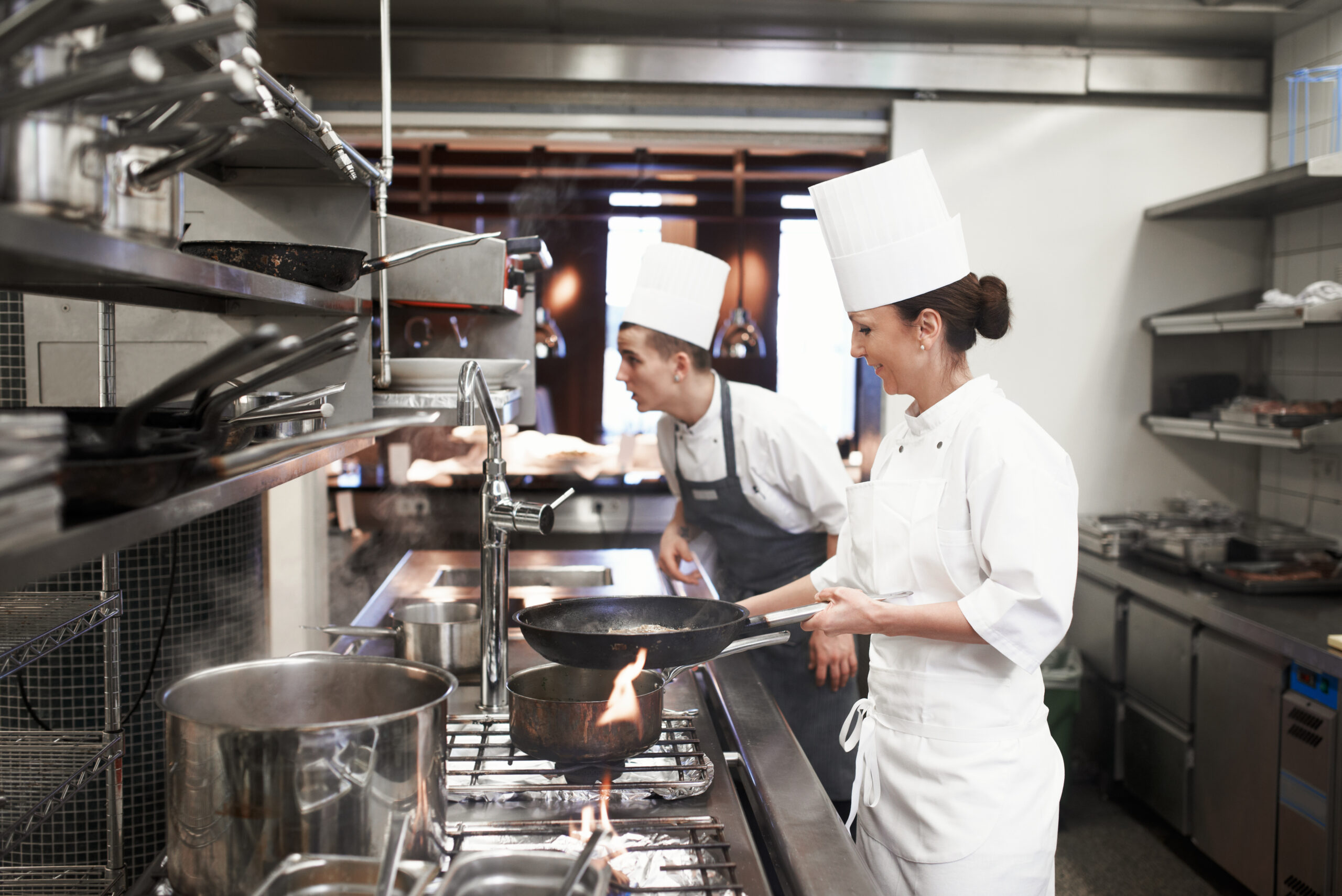
The Most Common Kitchen Hazards
Kitchen environments expose employees to several high-risk hazards that show up repeatedly across shifts, stations, and roles. These hazards are often normalized over time, which increases the likelihood of injury. Common kitchen hazards include:
- Burns: Hot surfaces, boiling liquids, steam, ovens, grills, and fryers create constant exposure to extreme heat. Burns often occur during routine tasks when employees are rushing, distracted, or underestimate how quickly heat-related injuries can happen.
- Cuts: Knives, slicers, mandolins, and other sharp tools are used continuously throughout food preparation. Dull blades, improper storage, unsafe cutting techniques, and complacency significantly increase the risk of lacerations.
- Slips, Trips, and Falls: Wet floors, grease buildup, food spills, cluttered walkways, and misplaced equipment make kitchens one of the most slip-prone workplaces. These incidents can result in serious injuries such as strains, fractures, and long-term back problems.
- Chemical Exposure: Cleaners and sanitizers are necessary for food safety, but improper mixing, labeling, storage, or use can lead to skin burns, respiratory issues, and eye injuries, especially when training is rushed or unclear.
- Stress: High order volume, staffing shortages, noise, and constant time pressure affect focus and decision-making. Stress increases the likelihood of shortcuts and unsafe behaviors, even among experienced workers.
- Fatigue: Long shifts, heat, and limited recovery time wear down physical and mental alertness. Fatigue slows reaction time and reduces awareness, making injuries more likely as shifts progress.
Together, these hazards create a work environment where injuries can feel inevitable, especially during busy shifts and peak service hours. Addressing these risks effectively requires training and reinforcement that account for how people actually work under pressure in a real kitchen setting.
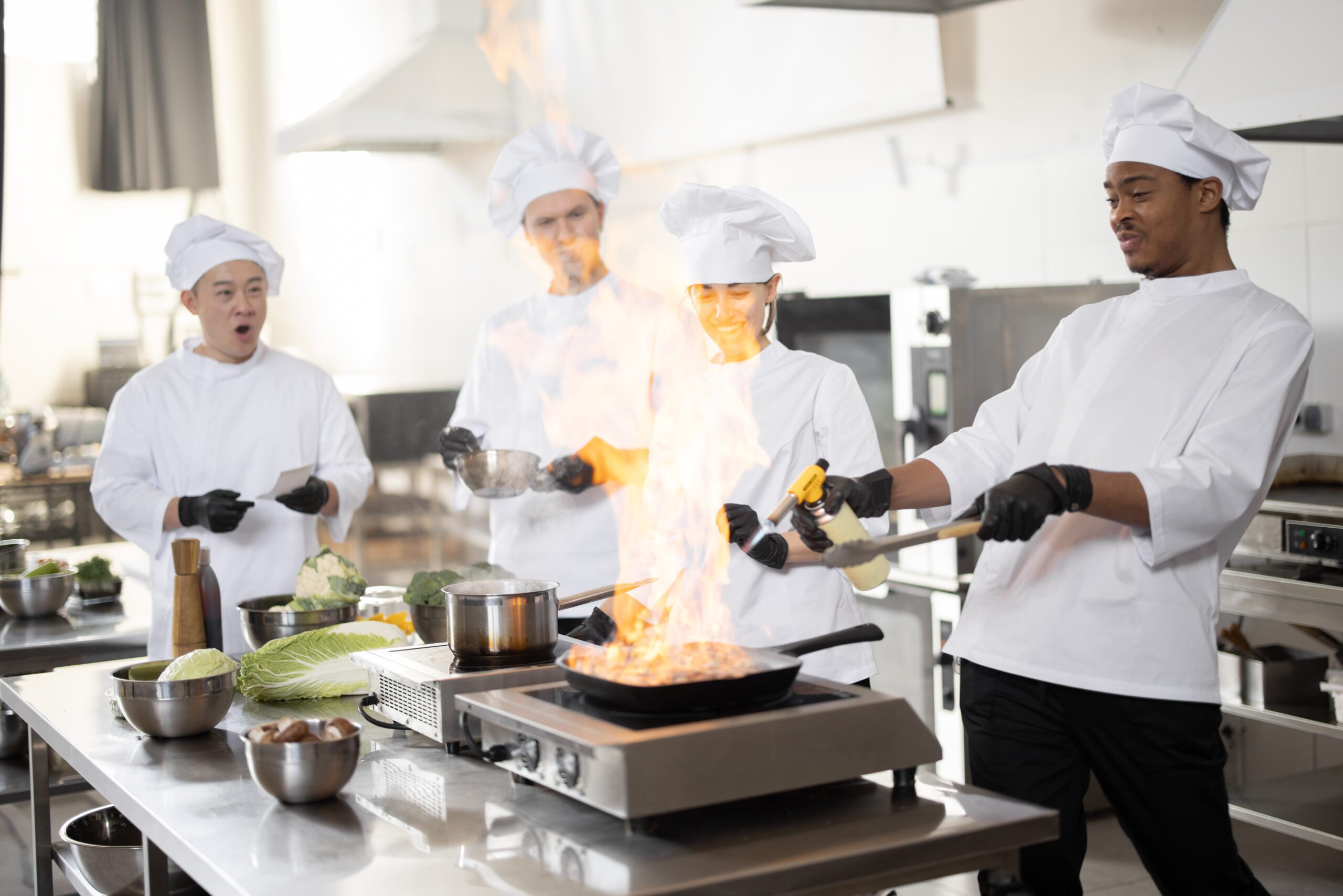
Why Traditional Kitchen Safety Training Falls Short (And What to do Differently)
Most kitchen safety training starts with good intentions. There is usually an orientation, a stack of policies, and maybe a few videos or handouts. Unfortunately, just because training exists, that does not guarantee that it will lead to change. The problem is how training is designed and delivered.
One major issue is that traditional kitchen safety training often relies on one-time orientation sessions, where new hires are given a large amount of information all at once. While the intent is good and the information is most-likely important, most of this information is quickly forgotten once employees are focused on keeping up with orders. A more effective approach is to replace long, one-time sessions with short, focused training moments delivered regularly. Brief discussions before shifts or during slower periods reinforce key safety concepts when they are most relevant and easier to remember. It’s amazing how often a restaurant will be slow and employees will just be standing around talking with nothing to do, when that time could be used to deliver a short training refresher on the proper way to cut a vegetable or use the stove. Having some downtime isn’t a bad thing, and you definitely want to encourage camaraderie, but it’s also a good idea to use this time to ensure your employees are properly trained and ready to work safely when the pace picks up again.
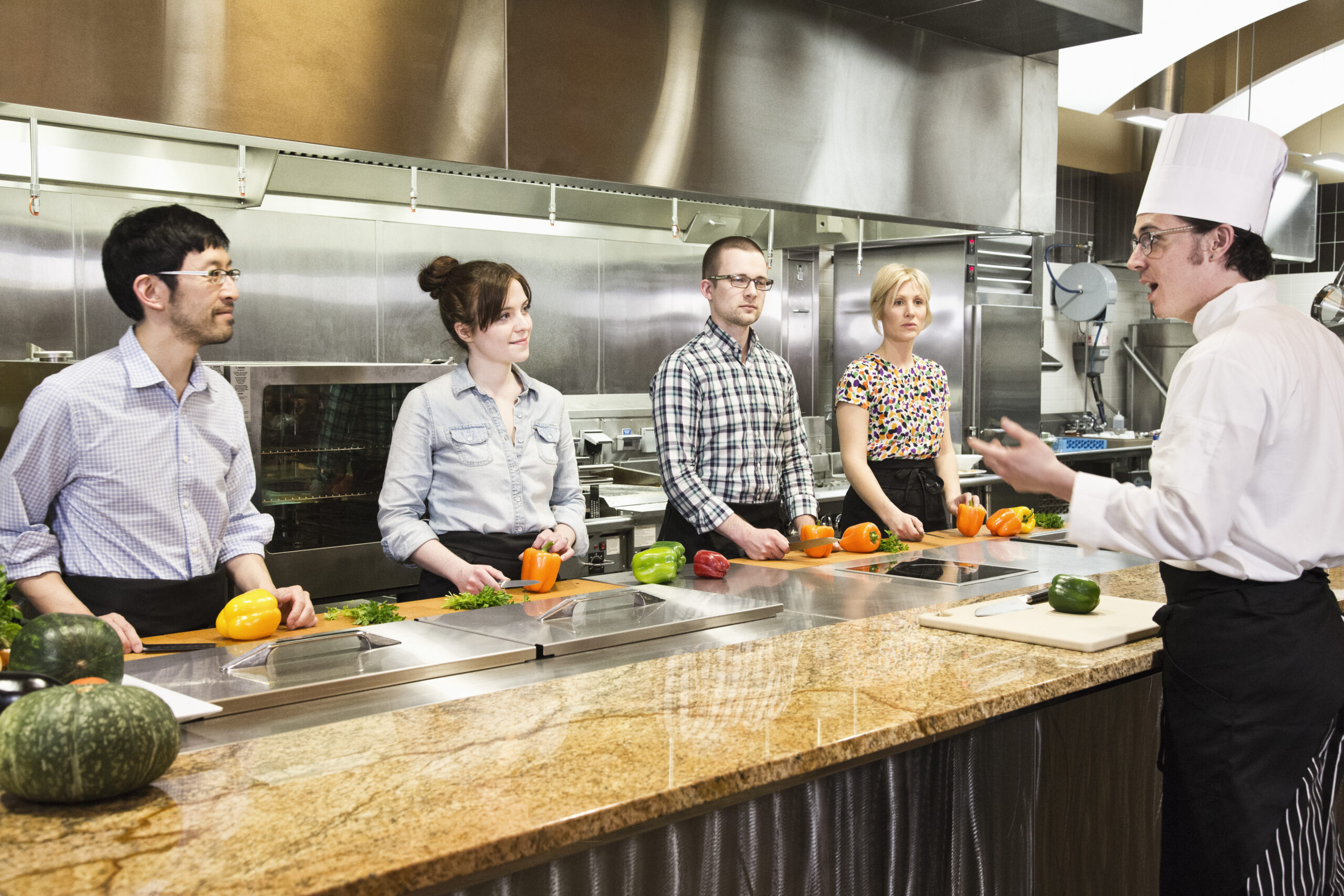
Another common issue is the overreliance on written policies and signage in fast-moving kitchen environments. Posters warning about hot surfaces or sharp tools quickly fade into the background during busy service. To address this, training should lean more heavily on visual and video-based learning that reflects real kitchen conditions. Demonstrating proper techniques through short videos or live demonstrations helps employees see exactly what safe work looks like in their day-to-day tasks.
Many safety programs also fall short because there is little follow-up, reinforcement, or accountability on the kitchen floor. Unsafe behaviors may be observed but ignored unless an injury occurs, which unintentionally sends the message that shortcuts are acceptable. This can be corrected by building consistent reinforcement into daily operations, such as brief safety reminders during shift huddles and immediate coaching when unsafe behaviors are observed. Addressing issues in the moment helps correct habits before they result in injuries.
Finally, traditional training often focuses on compliance rather than real-world behavior. Checking boxes to prove training occurred does not ensure that safe practices are followed during high-pressure situations. A better approach is to connect training directly to real incidents, near misses, and observed risks. When training is tied to actual experiences in the kitchen, employees are more likely to take it seriously and apply it when it matters most.
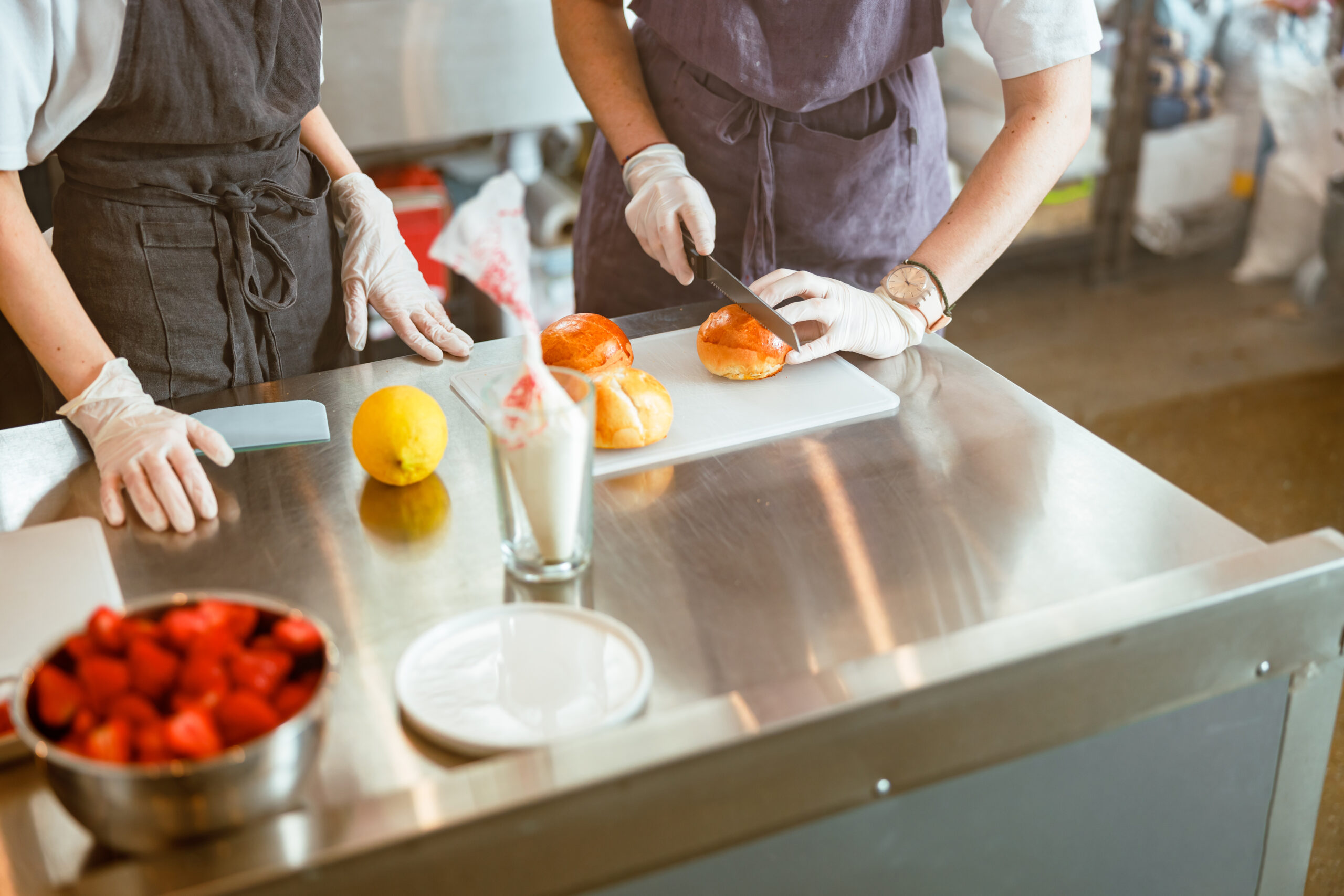
Reinforcing Safety on the Kitchen Floor
Although training is important, what happens on the kitchen floor every day matters far more. Managers play a critical role by modeling safe behavior. When leaders use proper PPE, handle knives correctly, and take time to clean spills, it sends a clear message that safety rules apply to everyone, and this makes employees more likely to follow the rules.
Daily huddles and shift briefings are another effective tool. A quick reminder about fryer safety before a busy shift or a heads-up about a slippery area keeps hazards top of mind. These conversations do not need to be formal, they just need to be consistent.
In-the-moment coaching is also essential. When unsafe behavior is observed, addressing it right away helps correct habits before they lead to injuries. This approach should be supportive, not punitive. The goal is to protect people, not blame them.
Over time, it’s important to track trends. If the same type of injury or near miss keeps occurring, that is a sign of a training gap or process issue. Data helps you focus your efforts where they will have the greatest impact.
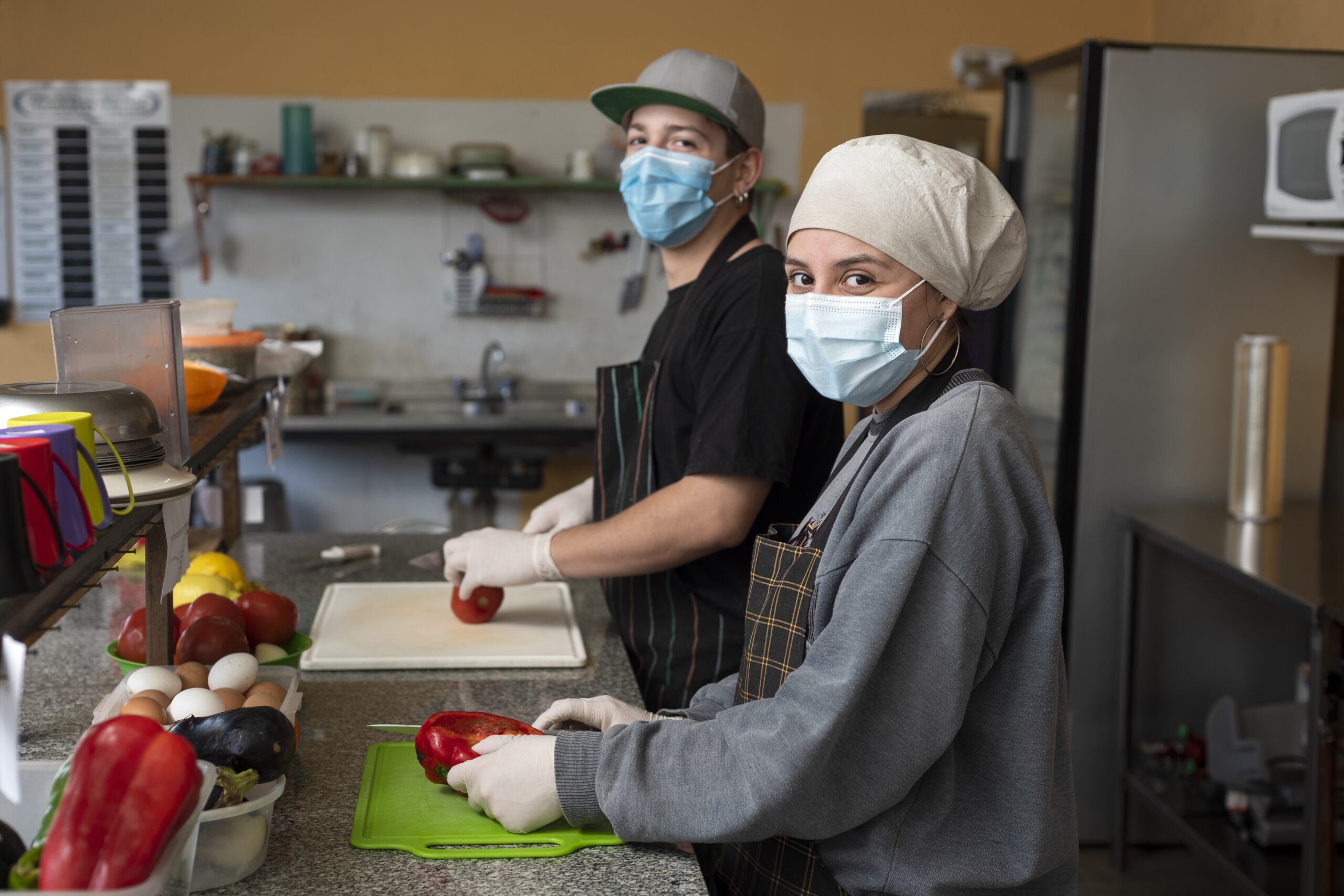
Using Technology to Support Kitchen Safety Training
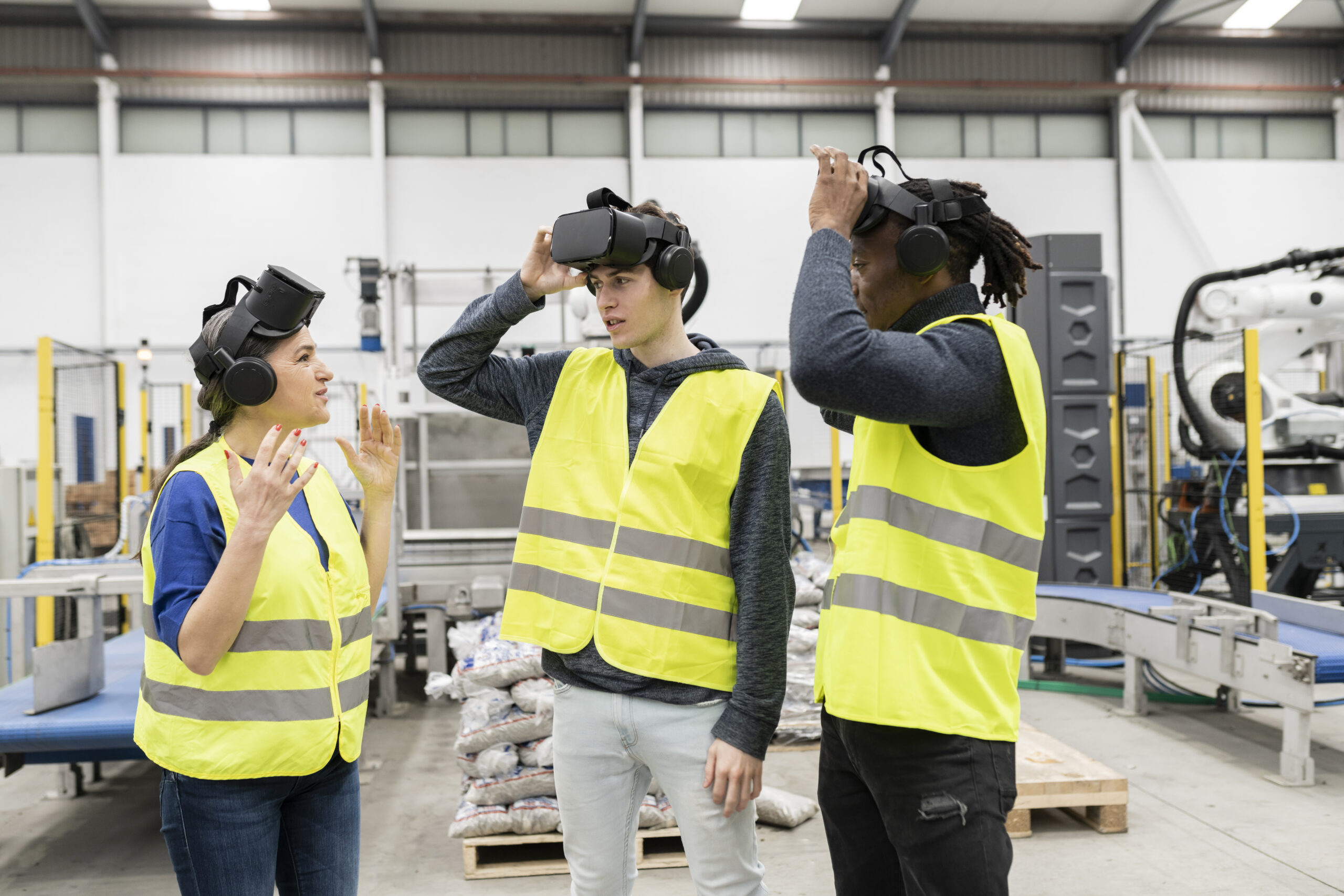
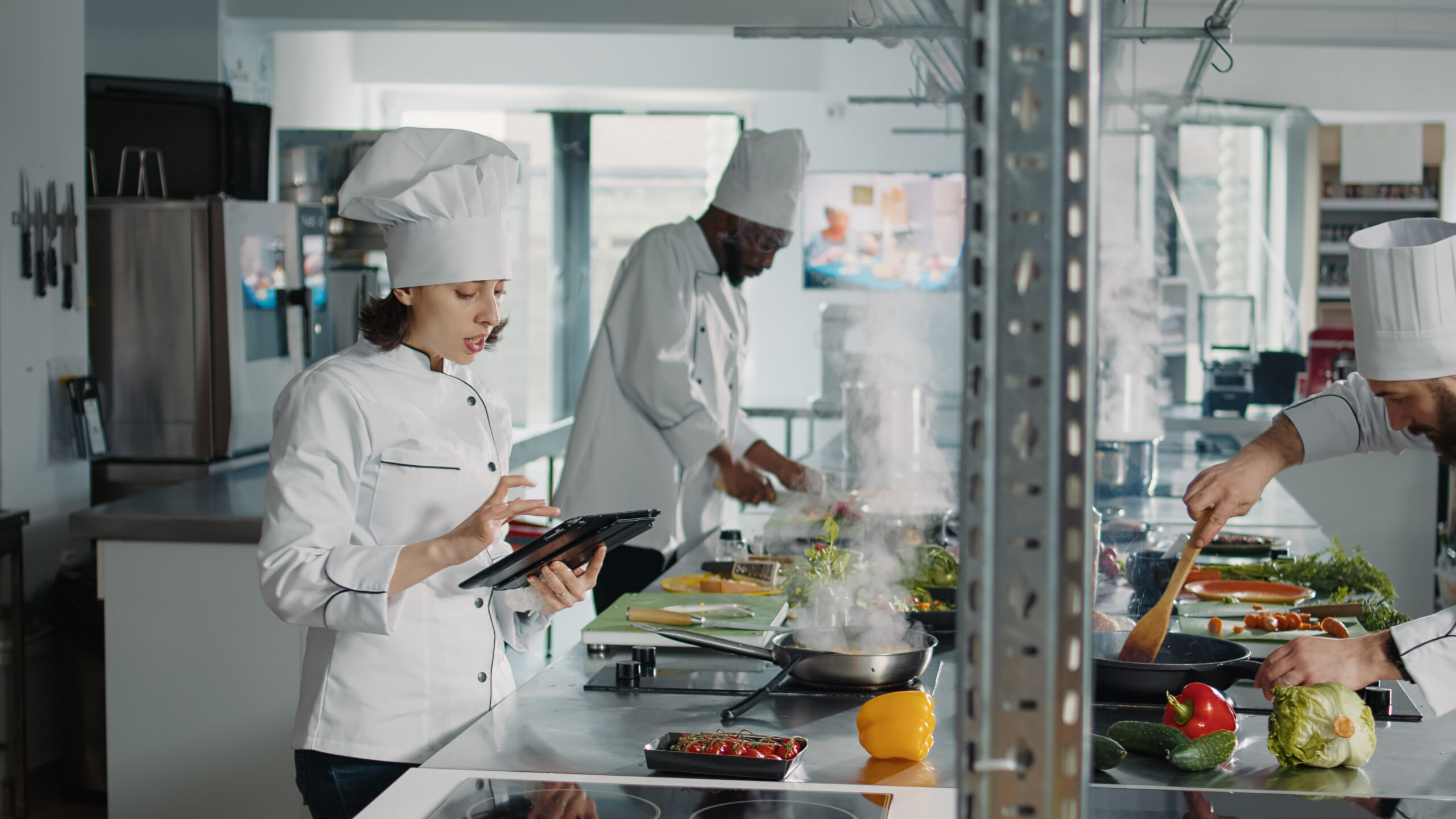
Technology can make safety training easier to deliver and easier to manage, especially in environments with high turnover or multiple shifts. Mobile access to training allows employees to complete short lessons when it fits their schedule. This is especially useful for refresher training and onboarding new hires quickly. Digital checklists for equipment inspections, cleaning tasks, and opening or closing procedures help ensure critical steps are not missed. They also create consistency across shifts and locations. Most restaurants today have switched to using tablets for digital checklists that can be instantly uploaded, rather than paper checklists which have to be manually documented.
Technology also makes it easier to report near misses, hazards, and unsafe conditions. When reporting is simple, employees are more likely to speak up before someone gets hurt. Additionally, using data from inspections, reports, and incidents helps improve training over time. Patterns become visible, allowing you to adjust focus areas and prevent repeat injuries.
Conclusion
When training is practical, frequent, and behavior-based, it changes how people work. It reduces injuries, improves morale, and keeps experienced staff healthy on the job. Over time, this approach protects not only your people, but also productivity, quality, and your organization’s reputation.
If you’re in charge of overseeing the safety of people working in a kitchen, you have the opportunity to move beyond checklists and compliance. By focusing on real hazards, real behaviors, and real reinforcement, you can build a kitchen safety program that truly works when it matters most.
Capability’s online safety training courses help to educate employees on workplace safety and health regulations, policies, and best practices. These courses cover a wide range of topics–including Kitchen Safety–all designed to fit the needs of various industries. To find the courses you need for your business today, click here.