Driving is never completely risk-free, but some conditions make it far more dangerous than others. Weather, visibility, road conditions, traffic, and wildlife are often unpredictable hazards that drivers regularly face on the road. These high-risk driving conditions increase the likelihood of crashes because they reduce traction, shorten reaction time, and limit what you can see.
To combat these conditions, drivers must be trained on how to adjust their driving techniques to stay safe. Proper driving techniques may include things like reducing speed significantly, increasing following distances (8-10 seconds), and using low-beam headlights. The hazards mentioned above are common and will be faced time and time again, so it is critical that drivers know how to respond.
In this blog post, we’ll walk you through various high-risk driving conditions, the skills drivers need to have, and the necessary training to keep drivers safe on the road.
High-Risk Driving Conditions
High-risk conditions are anything that reduces your control or cuts down the time you have to respond. They fall into four main categories, and knowing them is the first step to handling them:
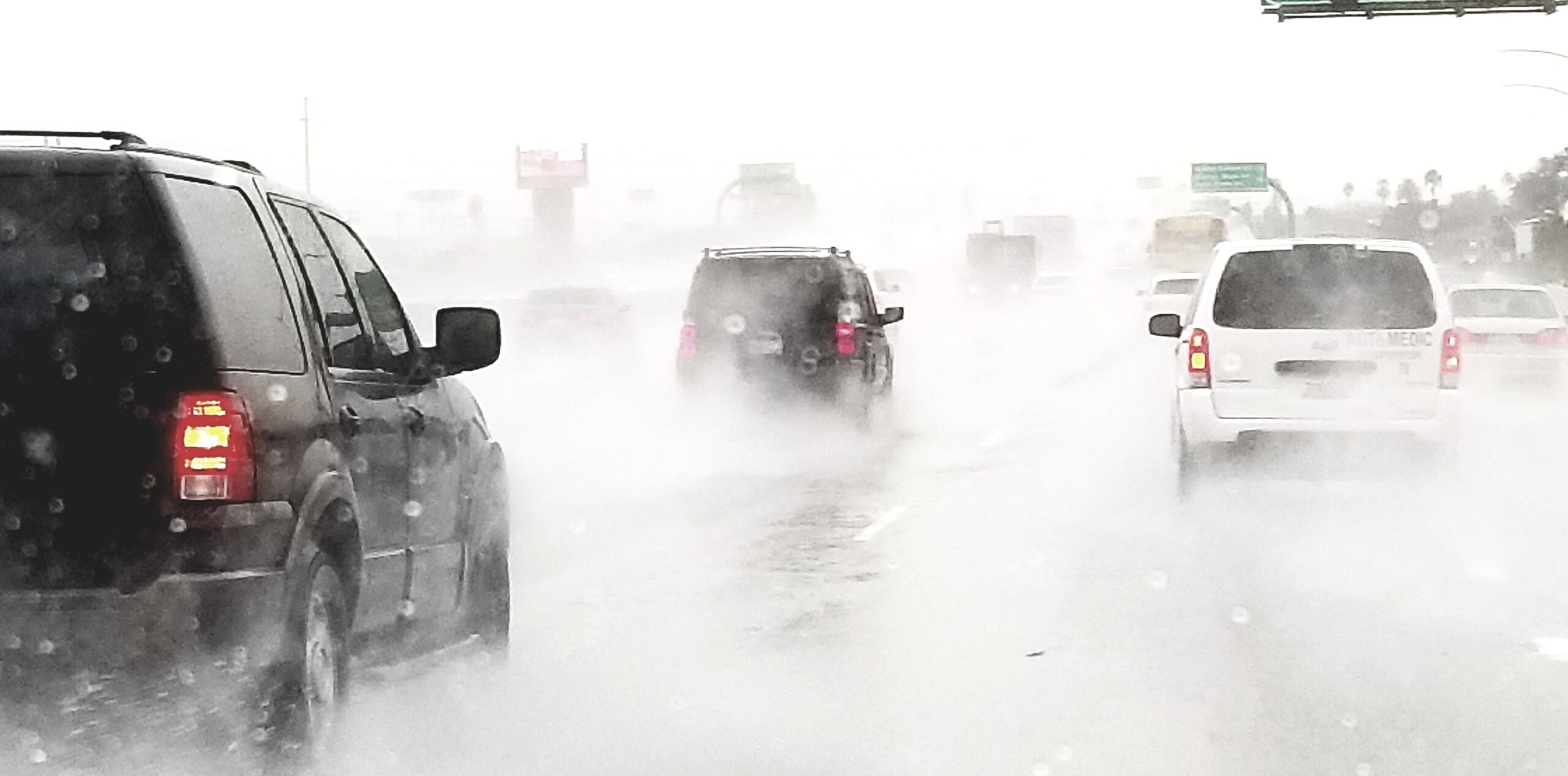
- Weather Hazards: Weather hazards are probably the most familiar. Rain reduces tire traction and increases stopping distance, snow and ice can remove traction almost completely, fog limits how far ahead you can see, and high winds can push your vehicle off course, especially if you drive a truck, van, or SUV. Weather often changes quickly, which means you may need to adapt without warning.
- Road Hazards: The road environment itself can be just as dangerous. Tight curves, steep downhill grades, narrow lanes, and construction zones all demand precision. You have less margin for error, and mistakes unfold faster than on a flat, open straightaway. Additionally, pot holes or bumps in the road can cause you to lose control of your vehicle momentarily.
- Traffic Hazards: Traffic is another major factor. Congestion reduces space and increases sudden braking. Aggressive drivers may tailgate, cut you off, or change lanes unpredictably. Distracted drivers may drift or fail to react. You cannot control how others behave, but you can train yourself to anticipate and respond safely.
- Visibility Hazards: Night driving reduces depth perception and color recognition, while glare from headlights or the sun can temporarily blind you. Shadows can hide road features or obstacles. When visibility drops, reaction time must increase to compensate.
Recognizing these categories helps identify hazards on the road, and training helps drivers adjust their driving to combat them.
Core Skills for High-Risk Driving
Before getting into how to train, it helps to know exactly what you’re training for. There are important skills that apply in nearly every high-risk scenario.
Firstly, it’s important to be able to properly manage your speed, adjusting how fast you’re going to match what the road (and the car) can actually handle. On dry pavement, highway speeds feel normal, but on wet or icy roads, that same speed can mean losing control the moment you touch the brakes. During high-risk conditions, your driving speed should match the conditions and vehicle traction rather than the speed limit.
Equally crucial is managing the space around you and giving yourself the room you need to maneuver. Following too close to the car in front of you is one of the most common and dangerous habits drivers have. In normal conditions, a three-second following distance is recommended. In rain, fog, or snow, however, this should be increased to at least eight seconds to ensure you are far enough behind the car in front of you to stop suddenly if needed.
As you’re driving, always scan ahead for hazards in the distance. Check your mirrors and watch for anything that could turn into a problem. In high-risk conditions, hazards appear much more suddenly, so it’s important to read the flow of traffic, notice patterns, and spot hazards in advance.

Training for High-Risk Driving Conditions
Training for difficult driving conditions works best when it combines knowledge, controlled practice, and real-world experience. Training starts with foundational knowledge training, which involves understanding the why before you practice the how. Classroom or online learning covers how weather affects stopping distances, why hydroplaning happens, how fog distorts your sense of speed, and how steep terrain changes brake management. A good grasp on these basics will determine how you make decisions behind the wheel.
From there, controlled skill practice is where things get real without the risk. Closed courses and driving simulators let you repeat hard braking, skid recovery, and emergency maneuvering in a safe environment. You get to feel what it’s like to lose and regain control without traffic around you. Repetition builds muscle memory, and muscle memory takes over when you don’t have time to think.
After that comes supervised real-world exposure. This bridges the gap between practice and reality. With coaching, you gradually experience curves, hills, traffic, and reduced visibility. Feedback helps you refine speed choice, lane position, and scanning habits. Guided exposure allows drivers to build skills step by step and become comfortable before going out on their own.
Training also targets specific high-risk conditions you are likely to encounter. For wet and low-traction driving, training zeroes in on hydroplaning prevention, why stopping distances stretch dramatically on wet roads, and how to steer out of a skid without overcorrecting. Reduced-visibility driving focuses on slowing down sooner than feels natural, tracking lane markings to stay centered, and using your lights correctly. Terrain and roadway hazard training covers steep mountain grades, sharp curves, and shifting construction zone layouts. Together, these training elements transform high-risk driving from a stressful reaction into a practiced response.

Final Thoughts: Training Before Conditions Turn Dangerous
High-risk conditions are unavoidable for those who drive daily (which is almost every adult), but with preparation, drivers can ensure they are ready to face whatever hazards come their way. Just keep in mind that the skills that keep you safe on a slick road or in thick fog have to be trained before you’re in the middle of those conditions, as there’s no time to learn in the moment. When a dangerous situation arises, people rely on muscle-memory, and if that hasn’t been trained, it puts the individual at a serious risk of harm.
Training becomes effective when it combines knowledge and practice. Ongoing training sustains safe performance. Alternatively, safety skills fade when left unused, which is why periodic refresher courses are important. Oftentimes, people mistake checking a training box for being prepared for a hazardous situation, but the truth is that a confident driver who hasn’t refreshed their skills in a while is at far greater risk than they realize. Regular refreshers keep driver reactions sharp and awareness high.
High-risk conditions are coming for every driver eventually. If you’re someone who drives everyday, especially if you do it as part of your job, then you will regularly face rain, fog, ice, heavy traffic, poor road conditions, and wildlife. The only question is whether you’ll be ready when you do.
Capability’s online safety training courses help to educate employees on workplace safety and health regulations, policies, and best practices. These courses cover a wide range of topics—including Defensive Driving—all designed to fit the needs of various industries. To find the courses you need for your business today, click here.