We all know that safety is not a one-size-fits-all blanket of regulations. The risks workers face vary depending on where they are, what kind of work they do, and even the time of year, and if your organization relies on generic safety training, then you may be leaving employees unprepared for the hazards they’ll actually encounter on the job.
Geo-specific safety training means designing your safety programs to match the local environment, climate, and regulations where your employees work. This approach ensures that workers are aware of the hazards unique to their region, know how to respond effectively, and stay compliant with the laws and regulations that govern their work.
Tailoring training to specific locations can help companies reduce incidents, improve worker confidence, and strengthen overall safety culture. In this article, we will guide you through why geo-specific training matters, the types of hazards to consider, how local regulations impact training, and practical strategies to adapt your safety training for maximum effectiveness.

Why Geo-Specific Safety Training Matters
Safety hazards differ across regions. Extreme heat, freezing temperatures, earthquakes, hurricanes, floods, and industrial risks all require geo-specific training to prevent injuries. One-size-fits-all programs do not do an adequate job of addressing these differences, and when training doesn’t match real-world conditions, employees may lack the knowledge and skills to respond to danger safely.
When thinking about workplace hazards, we have a tendency to think about the industry before anything else. Healthcare hazards include dealing with needles and bloodborne pathogens, people working in Manufacturing have to think about how to deal with machines safely, and Construction workers must be trained in working at heights and dealing with loud noises and vibration. These hazards exist across the board, but there are other hazards that are specific to the environment, such as climate, terrain, and wildlife.
Take Construction, for instance. The hazards a Construction worker needs to be aware of vary depending on where they work. Workers in Arizona face heat stress and dehydration, while workers in snowy northern states, like Minnesota, must manage cold stress, frostbite, and icy conditions, things Arizona workers rarely have to consider. No matter the industry, coastal employees need flood response training, which is something workers in most states don’t have to think about.
Regulations also vary by location. OSHA sets federal safety standards, but states may enforce stricter rules if they feel that OSHA regulations do not adequately account for the severity of the hazards they face. If your training only meets federal standards, you may be out of compliance with local laws, putting your organization at risk for fines and penalties.
Customizing your organization’s safety training to account for regional hazards and regulations allows you to ensure relevancy, practicality, and legal compliance, reducing the likelihood of incidents and injuries.

Examples of Geo-Specific Hazards
Understanding the types of hazards employees may face in different regions is key to designing effective training. Here are some examples:
- Extreme Heat: Workers in southern states, desert areas, and tropical regions face the risk of heat stress and heat-related illnesses. Training should cover hydration, heat illness recognition, and work/rest cycles to prevent serious injuries.
- Harsh Winters: In northern states and mountainous regions, hypothermia, frostbite, and slips on ice are common hazards. Training should include topics such as cold-weather safety, appropriate clothing, and emergency response for cold-related incidents.
- Earthquakes: Areas like California, Alaska, and parts of the Pacific Northwest are prone to seismic activity. Employees need earthquake preparedness drills, evacuation procedures, and building safety protocols to stay safe during tremors.
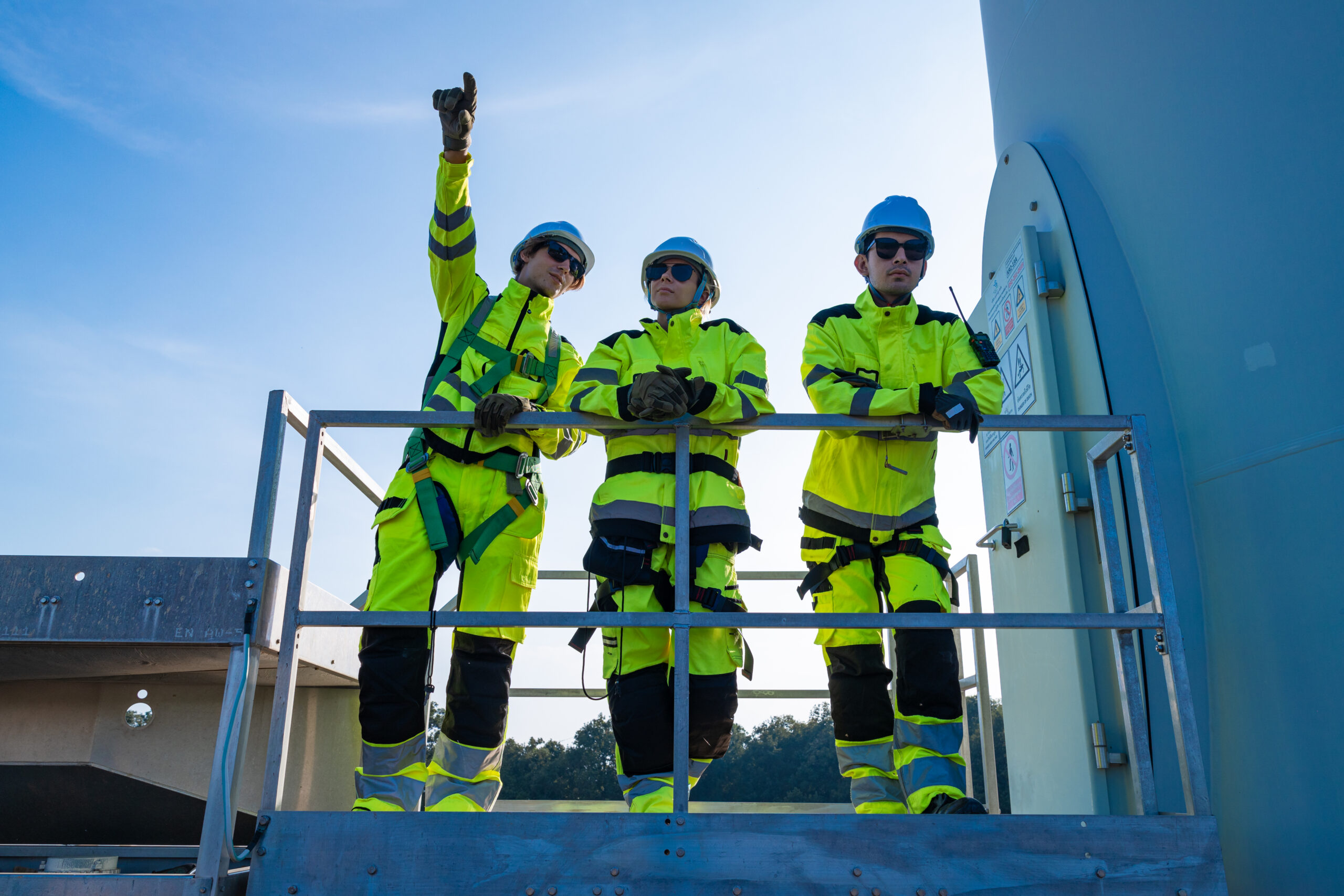
- Hurricanes and Flooding: Coastal regions often face hurricanes, storm surges, and flash flooding. Workers in these areas need training on evacuation plans, flood-resistant equipment, and post-storm hazard recognition, such as downed power lines or chemical spills.
- Industrial Hazards: Local chemical plants, high-traffic zones, or industrial sites present specialized risks. Employees in these areas require training tailored to chemical exposure, machinery safety, confined spaces, and other job-specific hazards; training that the average worker may not need.
- Wildlife: Many regions face risks from animals such as snakes, bears, alligators, scorpions, or aggressive insects. Wildlife awareness, safe distance procedures, and what to do during an encounter are important things to understand.
These are just a few examples. Take a moment to think about the hazards specific to your own location. Does your workforce have to deal with hazards that are not inherent to your industry? What do you need to ensure you or your employees understand before going to work? Does your current safety training address these questions? If not, then it’s time for an update.
How Local Regulations Influence Training
Federal OSHA standards provide a baseline for workplace safety, but local laws often go further. For example, Cal/OSHA (California OSHA) enforces strict heat illness prevention regulations, requiring employers to provide shade, water, and training for heat-related hazards. TOSHA (Tennessee OSHA) requires more extensive documentation of chemical hazards and imposes stricter firefighter safety rules, such as having a unique, state-specific standard titled “Firefighter Protection”.
Other local regulations might require specific permits, licensing, or site-specific certifications before employees can work on certain projects. Failure to comply and ensure employees, as well as the organization as a whole, have the correct paperwork can lead to fines, legal action, and increased risk of workplace injuries. Geo-specific training ensures that employees are aware of general safety practices and prepared to meet local compliance requirements.

Strategies for Adapting Training to Local Conditions
Tailoring safety training to local hazards and regulations involves research and planning. Here are some things you can do to ensure your training is tailored to your environment:
- Conduct Regional Hazard Assessments: Identify the specific risks employees face in each location. Consider climate, terrain, nearby industry, and wildlife. Surveys, site visits, and local incident reports are valuable tools for this assessment.
- Build Modular Training Programs: Design training content in modules that can be swapped or added based on location. For instance, the heat stress module could be included for southern sites, but omitted for northern regions during winter.
- Create Localized Emergency Response Procedures: Every site should have specific procedures for dealing with fires, floods, earthquakes, chemical spills, or severe weather. Tailoring these plans ensures employees know exactly how to respond when an emergency occurs.
- Incorporate Real Local Case Studies: Use incidents that have occurred in the area to make training relatable and concrete. Employees are more likely to remember lessons when they see examples from their own environment.
- Partner with Local Authorities and Experts: Collaborate with regional safety organizations, regulatory agencies, and industry groups. They can provide insight into local hazards, regulations, and best practices.
- Update Training for Workforce Mobility: Employees often move between sites, states, or regions. Make sure training is updated to reflect the hazards and regulations of new locations. This may include refresher courses or digital training modules delivered remotely.
These strategies help ensure your training program is relevant, actionable, and compliant with local regulations, improving employee engagement and effectiveness.
Conclusion
Your employees face different hazards depending on location, climate, and industry. Regulations vary, and generic training often falls short of preparing workers for the realities of their jobs. That’s why geo-specific safety training is essential to ensure the success of your organization.
Now that you know what to do, take a hard look at your current safety training programs. Identify gaps where training doesn’t reflect local hazards or comply with local regulations. Partner with experts, leverage technology, and commit to ongoing updates. Employees will be safer, more confident, and better prepared, and your organization will operate more efficiently and responsibly. Remember: investing in geo-specific safety training is an investment in your workforce and your company’s future. Tailor your programs today and ensure every worker is ready for the hazards they will face in their environment tomorrow.
Capability’s online safety training courses help to educate employees on workplace safety and health regulations, policies, and best practices. These courses cover a wide range of topics, all designed to fit the needs of various industries. To find the courses you need for your business today, click here.