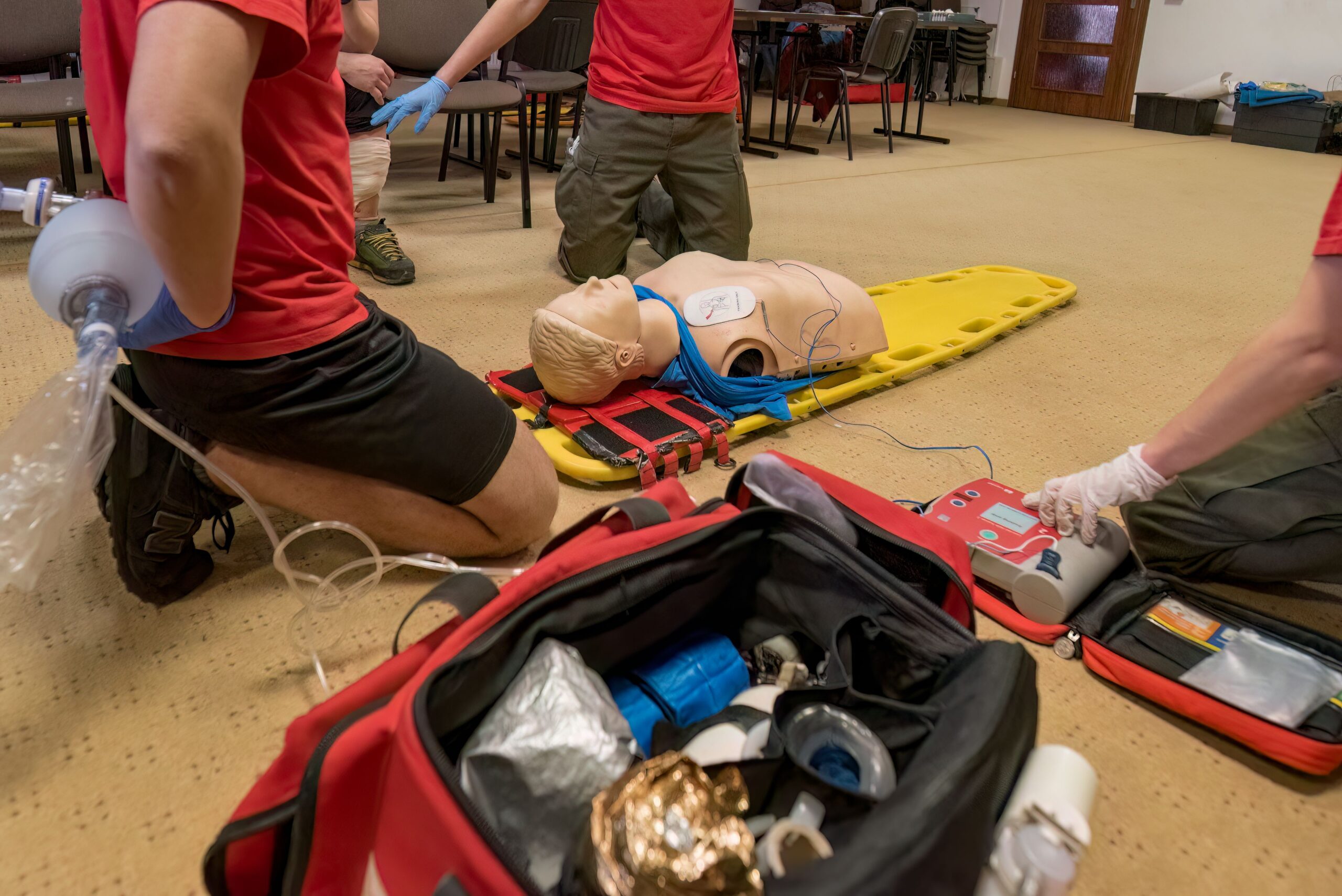
2025 is coming to an end soon, and just like with every year, we have seen changes to how safety training is delivered and what must be included. Today, we want to look specifically at what has changed for First Aid and CPR training. If you’re in charge of handling training for any organization, then you already know how important these skills are. They save lives, protect workers, and help your organization maintain compliance with safety expectations. Having at least one person on-site who knows how to perform First Aid and/or give CPR is crucial in all industries, and in high-risk industries such as Construction and Manufacturing, the Occupational Safety and Health Administration (OSHA) requires multiple trained individuals to ensure immediate care is available when injuries occur.
So the big question is: What’s new in 2025, and what do you need to have in your training program? The short answer is that a lot has changed. Some of these updates are small tweaks to technique, while others represent major shifts in how training is delivered, practiced, and applied during real emergencies.
In this article, we’ll walk you through the most important First Aid and CPR changes you should be aware of in 2025. By the end, you’ll know exactly what to look for, what to update in your training, and why these changes matter for safety and compliance.
Major Updates to CPR Guidelines in 2025
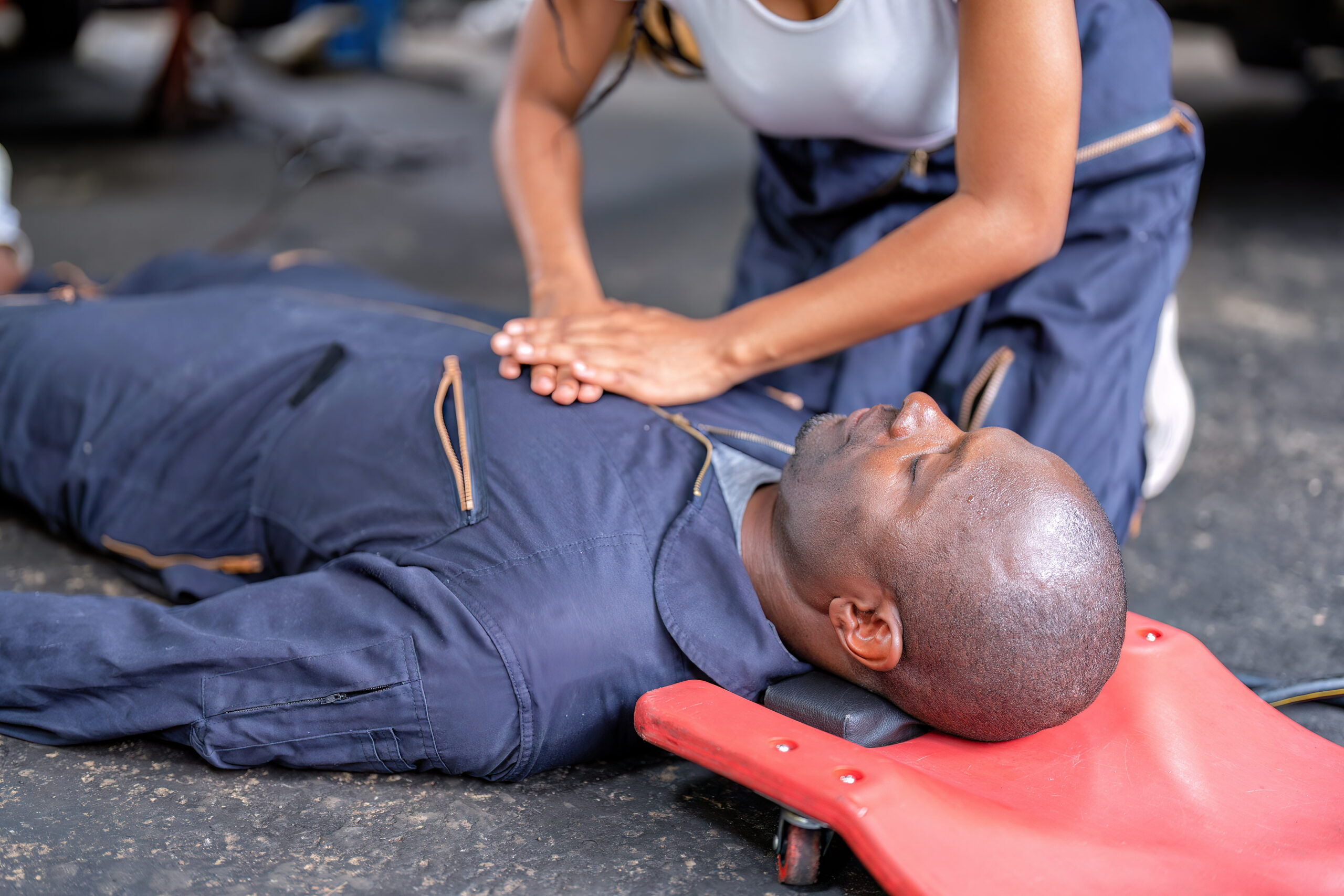
2025’s CPR updates put a major focus on actions that have the biggest impact on survival. Training programs now place stronger emphasis on high-quality chest compressions, because evidence consistently shows compressions are the most important part of CPR. Training focuses on teaching people to push hard enough, fast enough, and consistently enough.
You’ll also see changes in how people are trained to recognize and react to cardiac arrest. People should act immediately when they see a sudden collapse by calling 911 to get an Automated External Defibrillator (AED) and starting CPR immediately. The idea is simple: if you think it might be cardiac arrest, start compressions. Don’t waste time checking for a pulse or trying to measure breathing. Hesitation is a major factor in survival rates, and the 2025 updates aim to remove as much hesitation as possible.
The guidelines for compression-to-breath ratios have been reinforced, especially for trained responders, but there’s also a much larger push toward hands-only CPR for the general workforce. Hands-only CPR requires only chest compressions and has been shown to be extremely effective for most adult cardiac arrests. This change of cutting rescue breaths out of the process makes CPR more approachable for employees who may hesitate to provide breaths or who don’t feel confident in more complex steps.
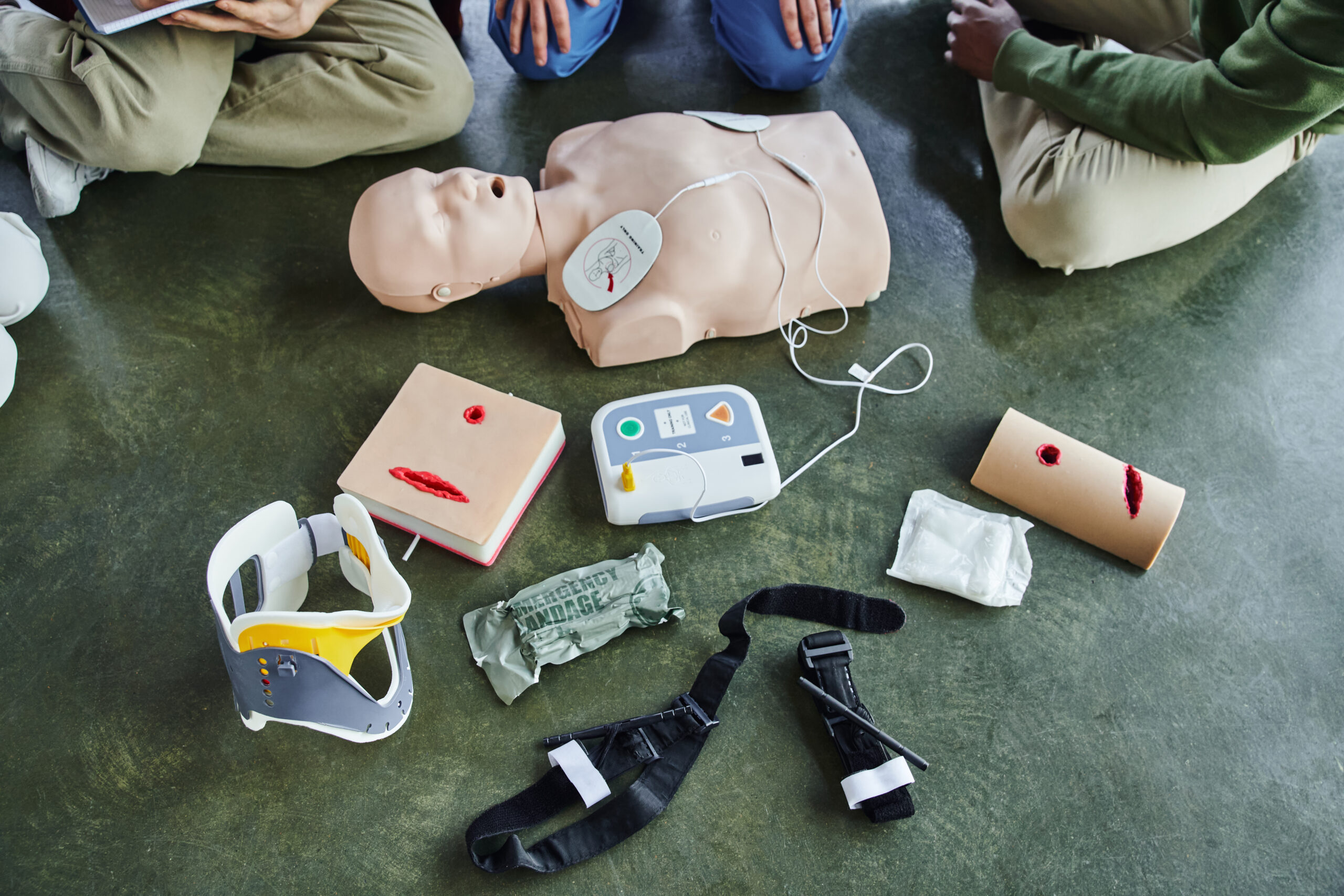
AED training has also evolved. Newer AEDs offer clearer voice instructions, screen displays with diagrams, improved prompts for pad placement, and real-time feedback about compressions. Employees are taught to rely on the AED’s guidance and follow the prompts closely. Training also includes practice with scenario-based AED use so that workers don’t freeze or panic when actually using the device.
If you or members of your workforce were certified before 2025, your certification may now be outdated. For more information on the specific changes that have been made to performing CPR, read Highlights of the 2025 American Heart Association Guidelines for Cardiopulmonary Resuscitation and Emergency Cardiovascular Care. This comprehensive list of key issues and changes will help you make the best decisions regarding training and certification for your workforce going forward.
First Aid Practices to Be Aware Of
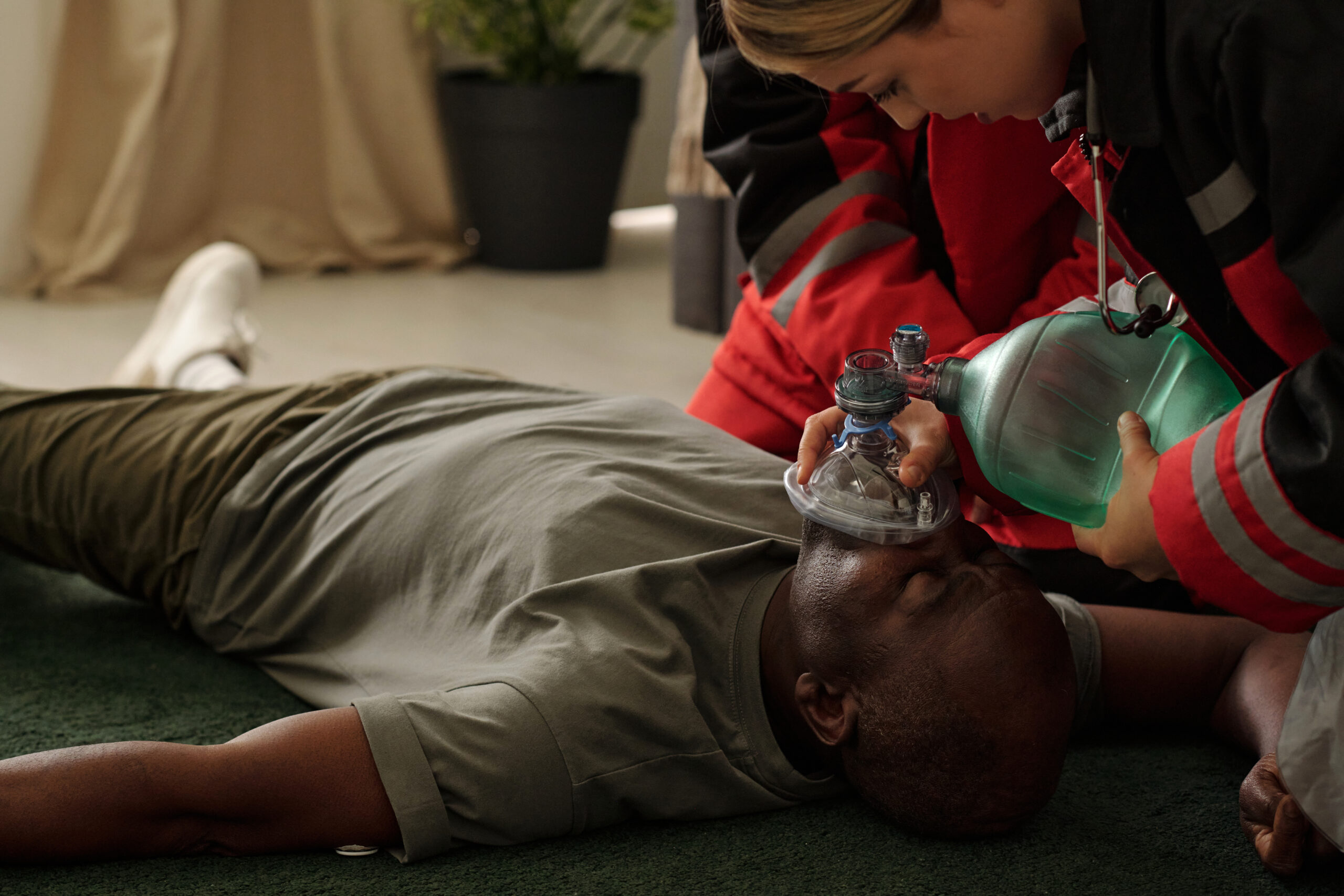
First Aid practices have seen significant updates as well. These changes reflect the types of emergencies happening more often in workplaces, public areas, and homes, and include:
- Burns and Shocks: Updated steps focusing on cool running water and burn ointment, dressing techniques, and avoiding ice and oils. Shock recognition has clearer warning signs, so responders can identify problems sooner.
- Opioid Overdoses: Because overdoses continue to rise in many parts of the country, naloxone (commonly known as Narcan) is becoming standard in modern first-aid kits. Employees are taught how to recognize overdose symptoms, how to give a dose of naloxone, when a second dose may be necessary, and why calling emergency services is still required even if the person wakes up.
- Workplace First-Aid Kits: Expanded guidance recommending bleeding-control kits, hemostatic dressings, tourniquets, and updated CPR masks, as well as the requirements for what should be included in every first-aid kit. If you haven’t reviewed your kits recently, you may be missing key equipment that is now considered standard.
Severe bleeding control, in particular, has become a major focus. With more workplaces using heavy equipment, tools, and machinery, there’s a higher risk of injuries where blood loss can quickly become life-threatening. Employees now must be trained in:
- Tourniquet Placement: Higher and tighter application for improved effectiveness.
- Wound Packing: When to pack a wound using gauze or hemostatic dressings.
- When Not to Remove a Tourniquet: The importance of leaving the tourniquet in place until professionals arrive.
How Technology Is Transforming Training
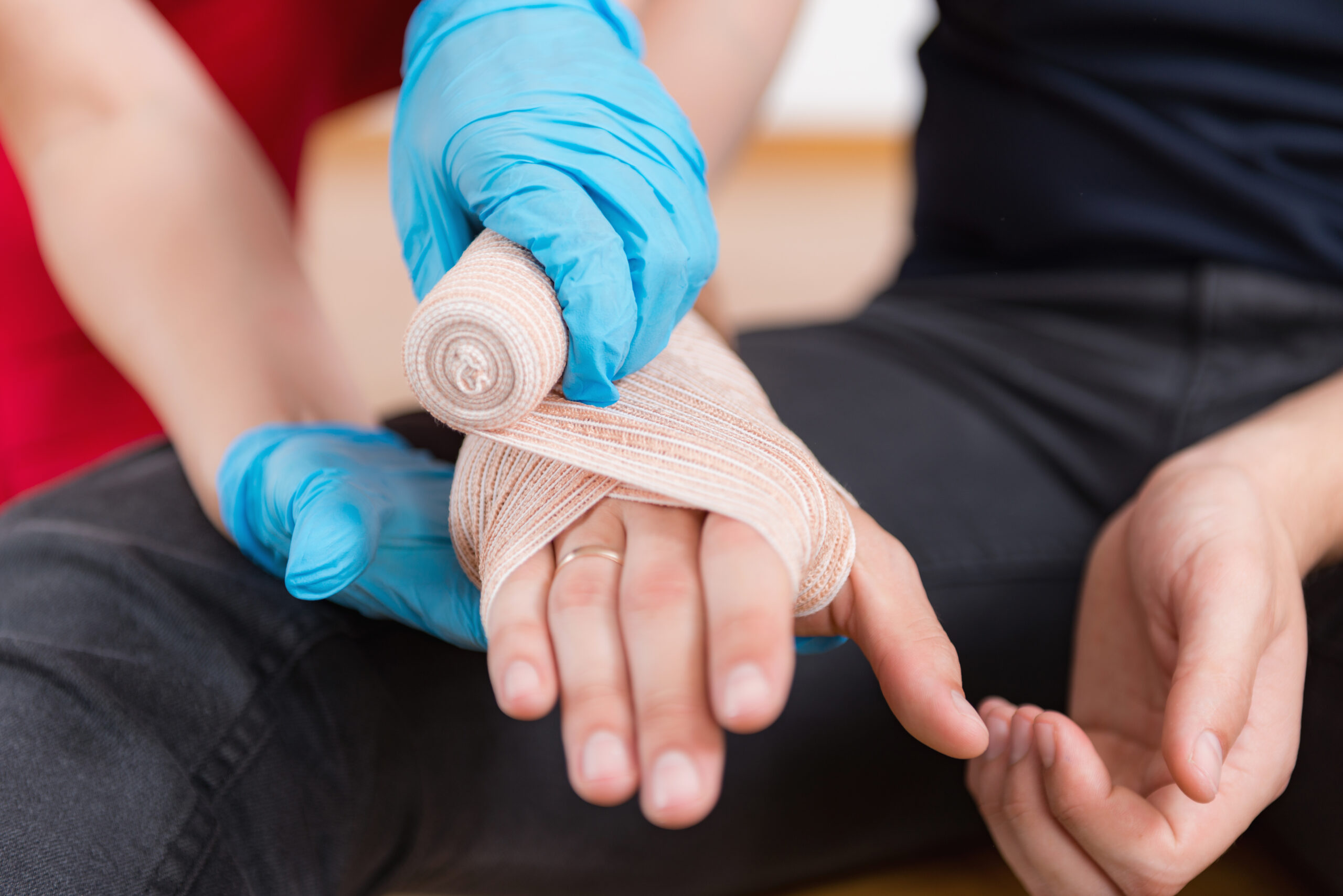
One of the biggest shifts in 2025 is how organizations deliver First-Aid and CPR training. Technology plays a major role in helping employees learn faster, practice more effectively, and retain skills longer. You’ll find many workplaces adopting tools that make training more interactive and realistic. Some technology that is shaping modern training includes:
- VR and AR Simulation: Virtual Reality and Augmented Reality systems create immersive environments for practicing emergency scenarios without the risk that come with real emergencies.
- Feedback Manikins: Feedback manikins take hands-on practice to another level by providing live feedback instead of waiting for an instructor to correct mistakes. These manikins are equipped with sensors that provide immediate feedback and guidance on depth, speed, recoil, and hand placement for accurate practice.
- Mobile Coaching Apps: Apps can provide step-by-step instructions during real emergencies or quick refreshers months after training. Some apps guide people through CPR or bleeding control in real time, while others help locate nearby AEDs. This helps ensure people won’t freeze during an emergency.
- Competency-Based Digital Modules: Short online lessons focusing on one skill at a time to improve retention. Shorter digital modules support ongoing training without overwhelming employees. Instead of a long, once-every-two-years class, your workforce can receive quick, frequent refreshers that keep their skills sharp.
Technology makes First-Aid and CPR training more flexible, data-driven, and engaging, ultimately creating more competent and confident lifesavers.

Workplace Expectations in 2025
With all the updates to CPR, First Aid, and training technology, workplace expectations have also increased in 2025. More employers are expected to go beyond minimum requirements and create a workplace culture where readiness is part of everyday operations. Here are a few trends you should plan for:
- Annual Refreshers: Many industries now require annual refreshers or skill checks, even if official certifications last longer. The goal is to keep employees confident and ready, because skills fade quickly when not used.
- Broader First Responder Roles: Emergencies don’t wait for the designated responder to arrive. Today, supervisors, teachers, and frontline workers are expected to act quickly in emergencies. The more people trained, the safer everyone becomes.
- Psychological Readiness: Many people freeze or panic when something goes wrong, even if they know the steps. New training encourages employees to practice decision-making under pressure, recognize their own stress responses, and stay calm enough to act. Knowing what to do in an emergency doesn’t help if you don’t have the confidence to apply your knowledge and skills to the situation.
- Accessible Emergency Equipment: AEDs need to be placed in locations where people can reach them quickly, not locked in offices or hidden in storage. Naloxone should be available where there is any risk of opioid overdose. Bleeding-control stations are recommended for high-traffic facilities and industrial settings. Equipment doesn’t help anyone if it can’t be reached in time.
These expectations help ensure someone is always prepared to act.
Conclusion
The updates to First Aid and CPR training in 2025 represent a major shift toward confidence, speed, and real-world effectiveness. Remember that keeping up with these changes isn’t just about compliance: it’s about giving your people the tools they need to save lives.
The next step we would encourage you to take is to evaluate your current training program. Make sure your CPR practices match the latest guidelines, refresh your First Aid steps, review your equipment, and consider using new technology to strengthen your team’s readiness. Modern emergencies require modern responses, and the changes made in 2025 reflect exactly that.
Capability’s online safety training courses help to educate employees on workplace safety and health regulations, policies, and best practices. These courses cover a wide range of topics, all designed to fit the needs of various industries. To find the courses you need for your business today, click here.