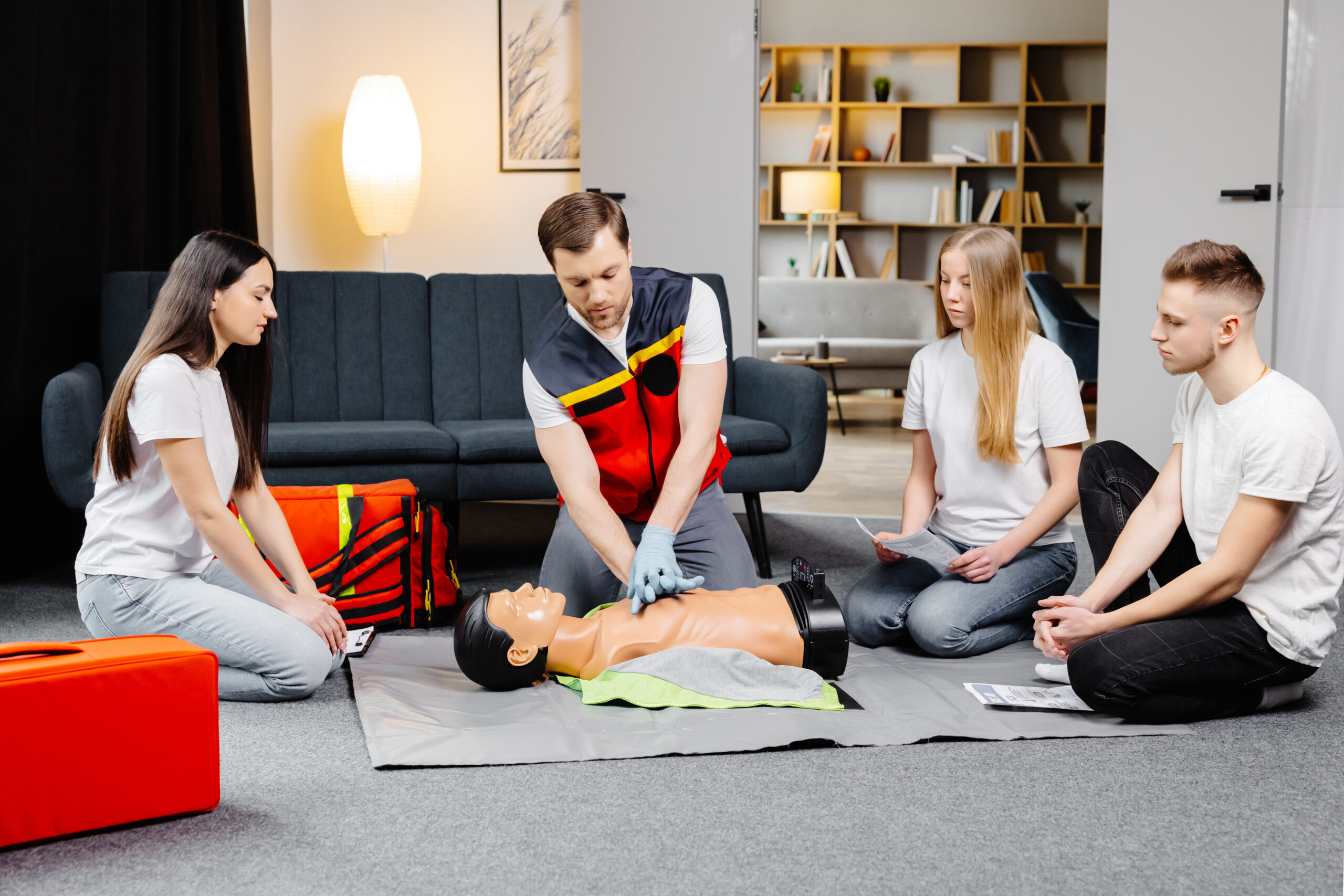
It’s hard to be prepared for emergencies. In the chaotic first seconds when an emergency begins, decisions have to be made faster than anyone can reasonably be expected to make them, which causes people to fall back to whatever training has prepared them to handle the situation. Most organizations understand this, which is why safety training is emphasized and emergency drills are common. Yet when real emergencies occur, many organizations struggle, and when this happens, leaders later ask the question: Why didn’t the drills prepare us for this?
The answer often lies in the gap between conducting drills and building real readiness. When drills exist mainly to meet regulatory requirements instead of developing skills, they fail to create confidence and knowledge under pressure. Effective emergency preparedness training goes beyond routine exercises and prepares people to think, adapt, and act when the situation does not follow a script (as emergencies never do).
In this article, we’ll help you take an honest look at your emergency drills and decide whether or not they are actually working.

Why Emergency Drills Often Fail to Deliver Real Preparedness
Many emergency drills fall short not because of bad intentions, but because of poor design and limited follow-through. Organizations want their people to be safe, and most leaders believe that running through drills is enough to build readiness, but a drill is only as effective as the thought and planning behind it, as well as its applicability to real world emergencies. When conducting drills, several common problems appear across industries, including:
- Predictable Scripted Scenarios: If your drills always happen at the same time, follow the same steps, and end the same way, employees quickly learn how to “play along.” They know where to go and when it will end, and this predictability removes the very challenge that emergencies create. In real emergencies, variables will be completely random; people may be missing or equipment may not work as planned. When drills never test these realities, they build false confidence instead of real capability.
- Limited Employee Engagement: When people believe the outcome does not matter, they disengage. If employees do not understand why the drill exists or what they are supposed to learn, then drills feel meaningless, which causes them to fail to create important change.
- Lack of Follow-Up and Continuous Improvement: Many drills end the moment everyone returns to work. Without discussion and feedback, the drill teaches nothing new. Training without improvement is not training at all.
- Failure to Address Human Factors: People cannot only be taught what procedures must be followed, as that is only part of the knowledge necessary to properly conduct oneself during an emergency. Drills must also consider how people actually behave under pressure by acknowledging stress, decision-making, and human error.
Improving emergency drills requires intention, and drills must be designed to reflect real world conditions. The goal is not to perform well during a drill, but to respond effectively when a situation arises.
Key Elements of High-Impact Emergency Drills
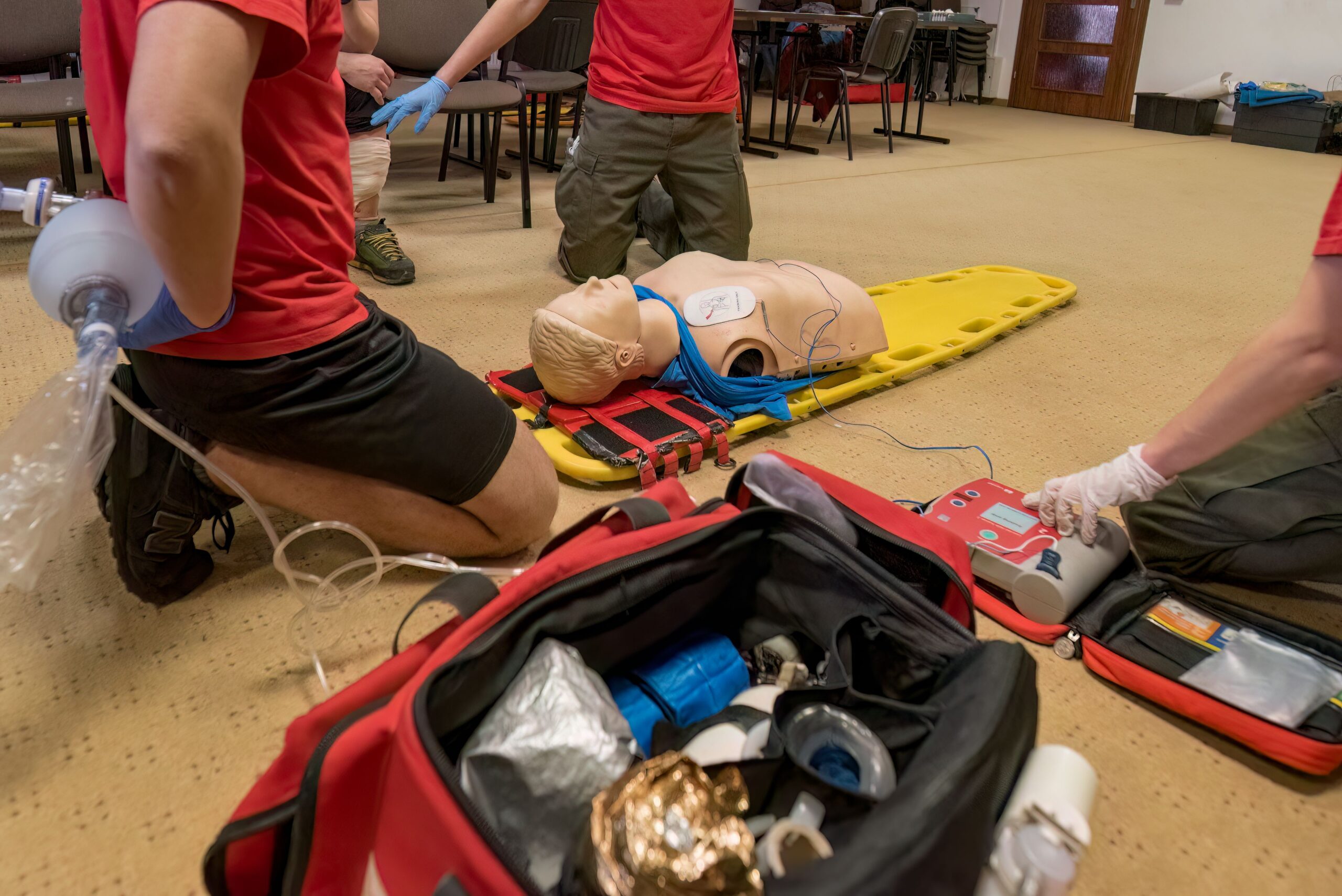
If you want drills to build real readiness, they must be designed with purpose, focusing on behaviors and decisions rather than simply completing a checklist. High-impact drills share several critical elements, such as:
- Realistic Scenarios: Start by looking at the real risks in your workplace. Fires, medical emergencies, severe weather, chemical spills, equipment failures, or violent incidents all require different responses. Drills should reflect the most credible threats, not generic scenarios. When employees recognize the scenario as something that could actually happen, attention and effort increase immediately.
- Clear Objectives and Expectations: Every drill should have a purpose, and it should be made clear what you are testing for, whether that be evacuation time, the flow of communication, or the effectiveness of emergency equipment.
- Participation Across Roles, Shifts, and Departments: High-impact drills include different departments, job roles, and work schedules. Supervisors, contractors, and support staff should all participate. This approach reveals gaps that only appear when the full organization is involved and reinforces that emergency preparedness is everyone’s responsibility.
- Time Pressure and Unexpected Variables: Adding small challenges improves learning. This could include a blocked exit or a missing employee. Variables like this force participants to think rather than follow a script. The goal is not to trick people, but to encourage real-time problem-solving. When employees practice adapting during drills, they are better prepared to adapt during real emergencies.
When drills are built this way, employees are required to engage mentally as well as physically. They practice making decisions, communicating clearly, and adapting to changing conditions, all of which are critical skills during real emergencies.
Measuring Whether Your Drills Are Actually Working
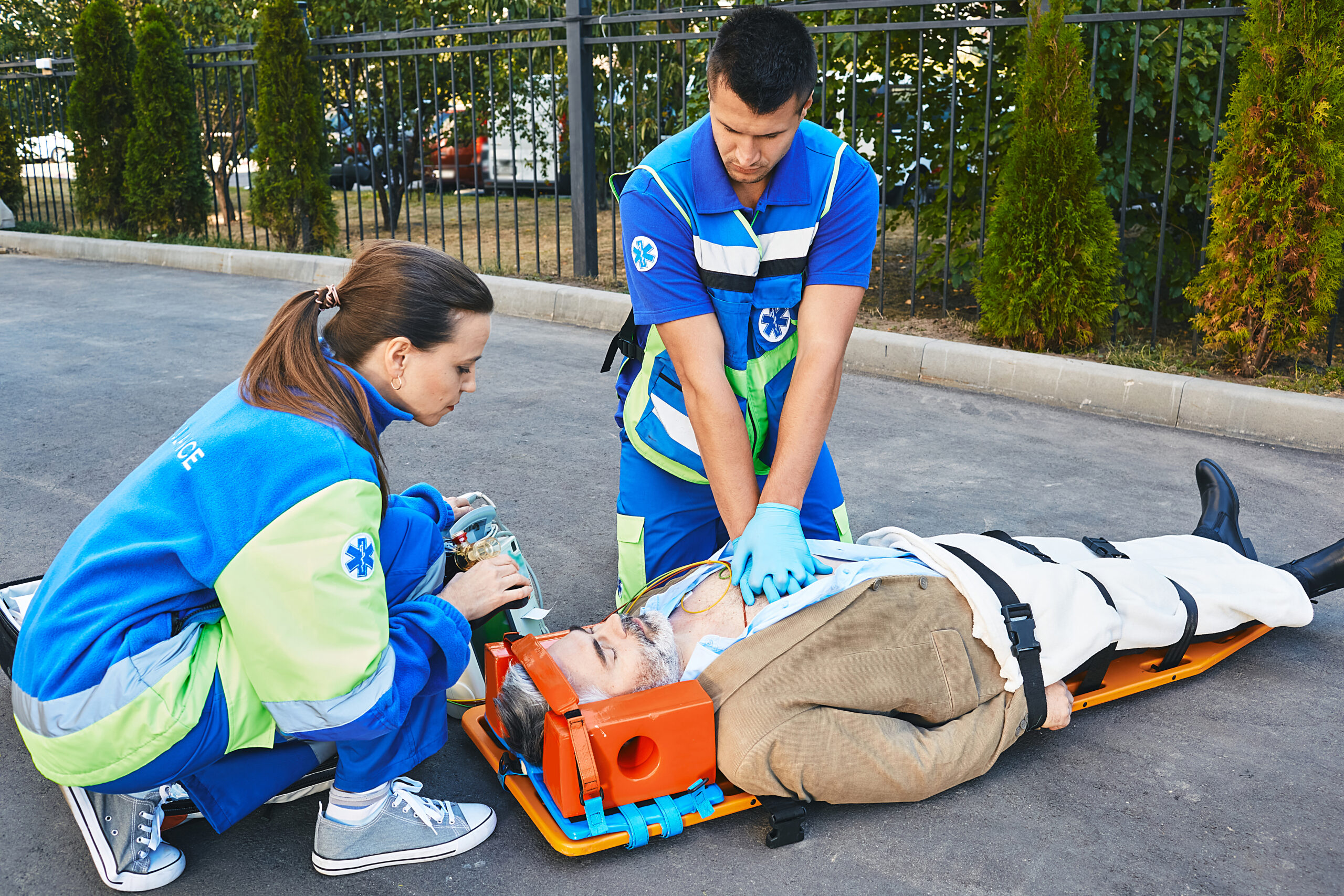
One of the biggest mistakes organizations make is assuming a drill was successful just because it happened. Completion does not equal effectiveness, and measuring effectiveness requires paying close attention to how people behave and where systems break down. To measure effectiveness, be sure to:
- Observe Behaviors, not Attendance: Instead of focusing on who showed up, pay attention to what people do. Do employees respond quickly, follow procedures correctly, and help others? Do leaders step into their roles without hesitation and ensure everyone knows what to do and where to go? If the answer is “No”, then a discussion needs to be had.
- Identify Delays, Confusion, and Breakdowns: Pay attention to moments where people stop, look around, or wait for direction. Notice where communication fails or instructions are misunderstood. These moments highlight training gaps that need attention.
- Collect Immediate Employee Feedback: After the drill, ask employees what felt confusing, unclear, or unrealistic. Encourage honest input. People often notice problems that observers miss, and immediate feedback captures fresh impressions before details fade. It also shows employees that their experience matters.
- Track Trends Over Time: One drill only shows a snapshot, while multiple drills reveal patterns. Track trends over time to see if evacuation times are improving, communication is becoming smoother, and fewer questions are being asked. This will help you measure progress and identify areas where improvement has stalled.
Over time, tracking these observations across multiple drills reveals trends. Improvements indicate that training changes are working, while repeated issues signal the need for further adjustment.

Improving Drill Effectiveness Without Creating Fear or Disruption
Some organizations hesitate to alter emergency drills and procedures because they worry about disrupting operations, but effective emergency preparedness training avoids fear-based tactics and instead focuses on consistency, clarity, and continuous improvement. Here’s what you should do to improve the effectiveness of your emergency drills:
- Use Short, Focused Drills: Brief exercises that target specific actions such as evacuation routes, shelter-in-place procedures, or emergency communication without overwhelming employees. They also keep emergency preparedness fresh in employees’ minds.
- Incorporate Microlearning and Scenario Discussions: Brief training sessions can reinforce lessons learned from drills. Short modules, videos, and discussions can help employees understand what went well and what needs improvement. Scenario-based discussions especially allow teams to think through decisions without physical movement.
- Frame Drills as Practice, not Tests: When drills feel like evaluations, employees try to avoid mistakes. When drills feel like practice, employees are more willing to learn. Make it clear that drills exist to improve systems, not punish people, and that mistakes during drills are opportunities, not failures.
- Document Findings and Corrective Actions: Every drill should result in documented observations and action items, so be sure to assign responsibility, set deadlines, and follow up.
- Update Procedures and Layouts Based on Results: If drills reveal that evacuation routes are unclear, signage is missing, or procedures are confusing, make changes. Training should evolve with the workplace.
When employees see that drills lead to real improvements, such as clearer signage or updated procedures, trust in the training process increases. This helps make preparedness part of everyday operations.
Conclusion
Effective emergency preparedness training goes far beyond scheduled drills on a calendar; it is about building confidence, clarity, and capability before an emergency ever happens. Real readiness comes from realistic scenarios, engaged participation, and honest evaluation. It grows through repetition, feedback, and continuous improvement, and it recognizes that people under stress need more than instructions; they need practice that reflects reality.
When drills are designed with purpose, they help employees respond faster, communicate better, and make safer decisions when it matters most. That preparation protects lives, reduces harm, and strengthens your organization’s ability to recover from the unexpected.
The next time you schedule an emergency drill, ask yourself a simple question: Will this prepare us for the real thing? If the answer is unclear, it may be time to rethink how preparedness training is done.
Capability’s online safety training courses help to educate employees on workplace safety and health regulations, policies, and best practices. These courses cover a wide range of topics—including Emergency Planning—all designed to fit the needs of various industries. To find the courses you need for your business today, click here.