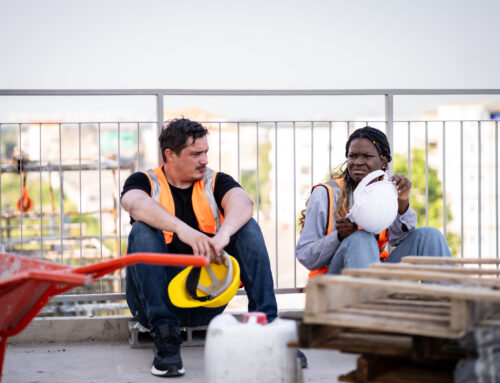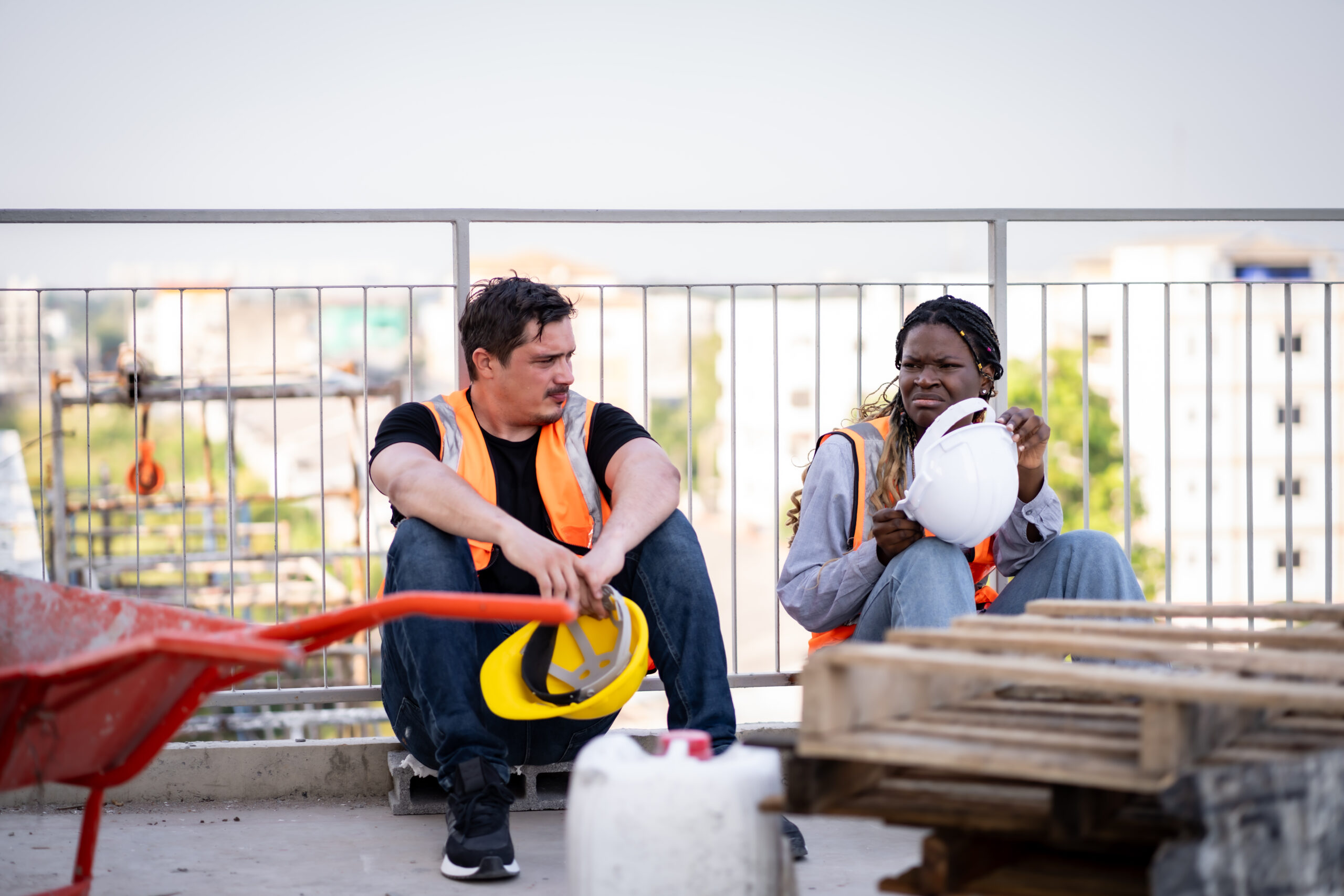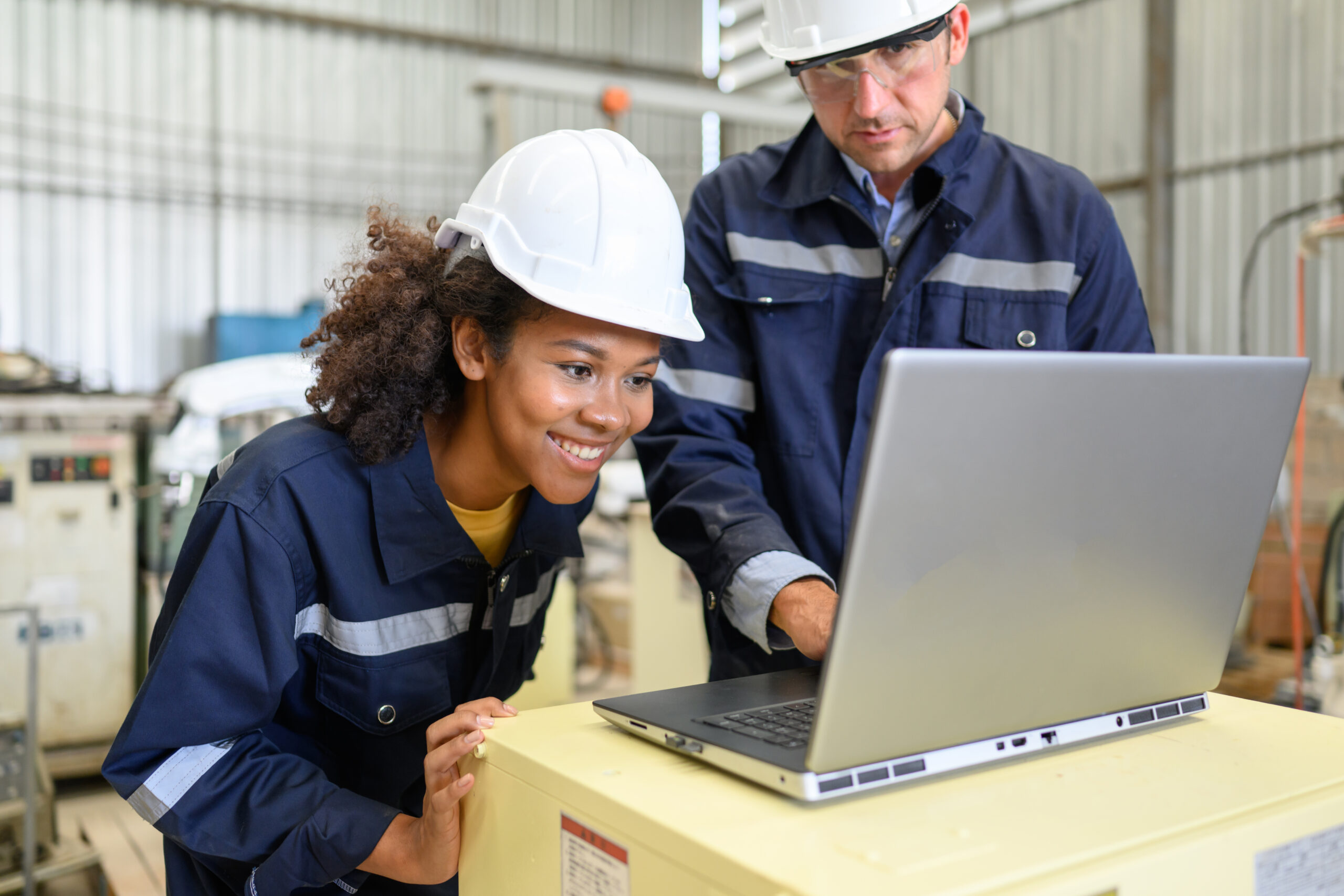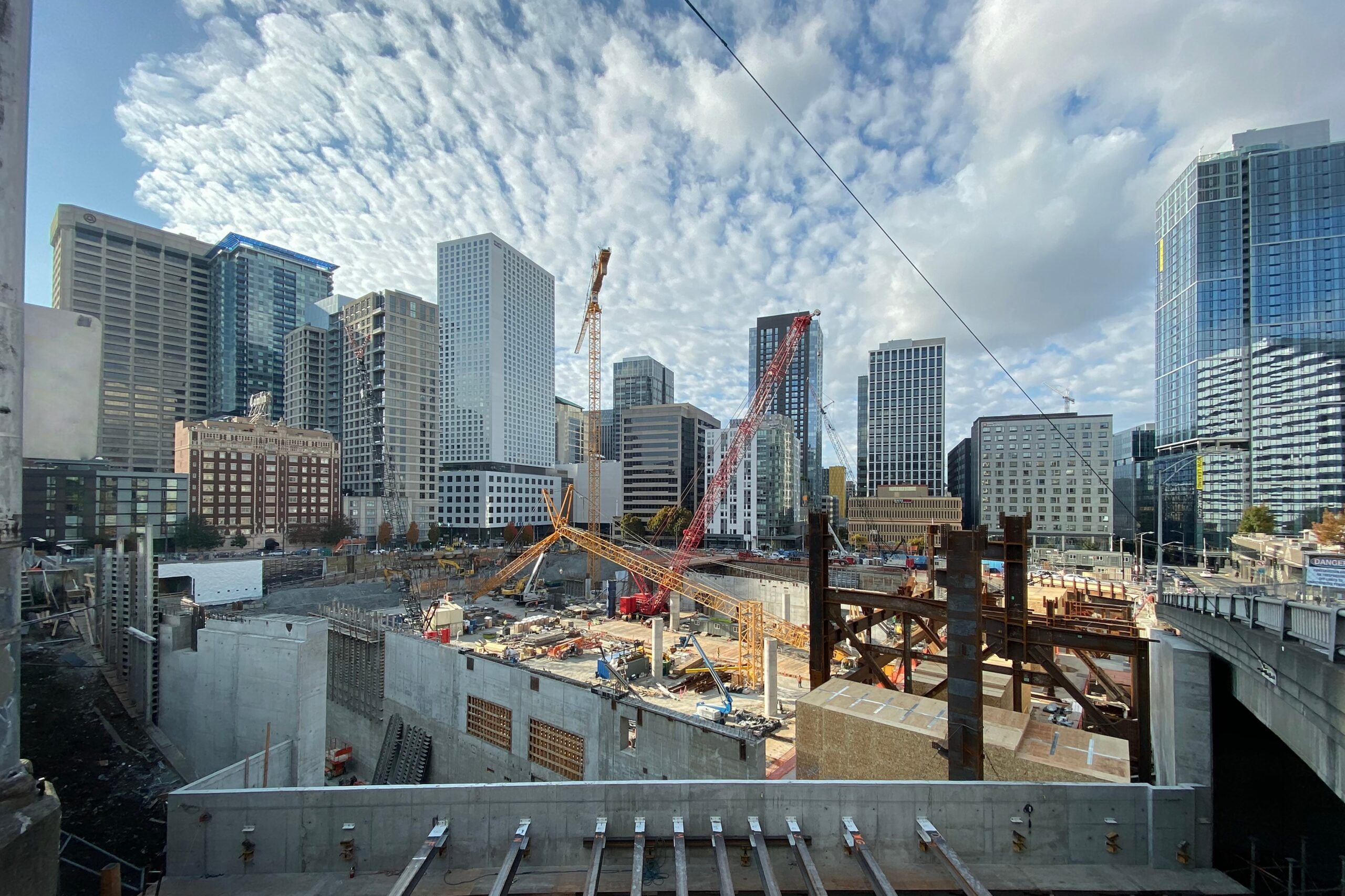
If you’ve ever worked at a job site that seemed to appear out of nowhere, such as a construction zone on a busy street or a temporary stage being built for an event, you’ve seen a pop‑up worksite in action.
Pop‑up worksites are everywhere now. Construction crews set up temporary zones to repair roads or install new infrastructure, utility workers respond to outages or emergencies, and event teams build stages, tents, and lighting rigs for concerts and festivals. Although they are necessary, temporary worksites introduce safety risks that permanent job sites don’t. When you’re working in a familiar facility, you know the layout, the hazards, the emergency exits, and the rules. At a pop‑up site, everything is new. The environment changes constantly. And because the work is temporary, people sometimes treat safety as an afterthought.
Traditional safety training (especially training designed for fixed facilities) often doesn’t prepare workers for this kind of unpredictability. That’s why flexible, mobile, and site‑specific training is becoming so important.
In this article, we want to walk you through why pop‑up worksites require a different approach to safety training, what makes them so unpredictable, and how workers can stay safe even when the job site changes from one day to the next.
What Is a Pop-Up Worksite?
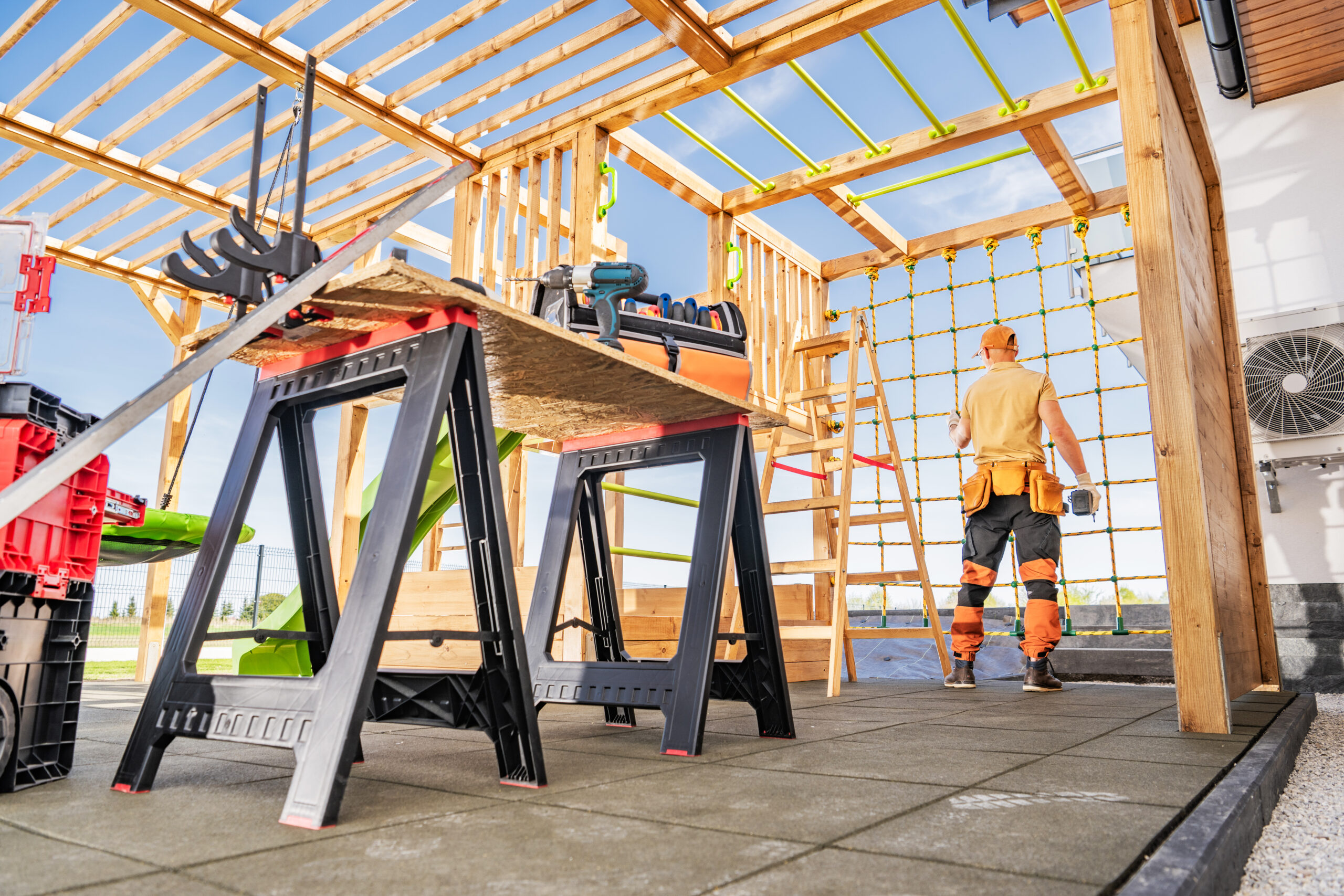
A pop‑up worksite is any temporary location where work is performed for a short period of time, and it operates very differently from a permanent facility. Instead of having weeks or months to prepare, crews often arrive, set up, and begin working within hours. Because these sites are temporary, they usually don’t have the same infrastructure as a fixed location, things like permanent lighting, storage areas, restrooms, or controlled access points. The environment can shift quickly as the job progresses, and the layout you see in the morning may look completely different by the afternoon, which can make safely navigating the worksite difficult.
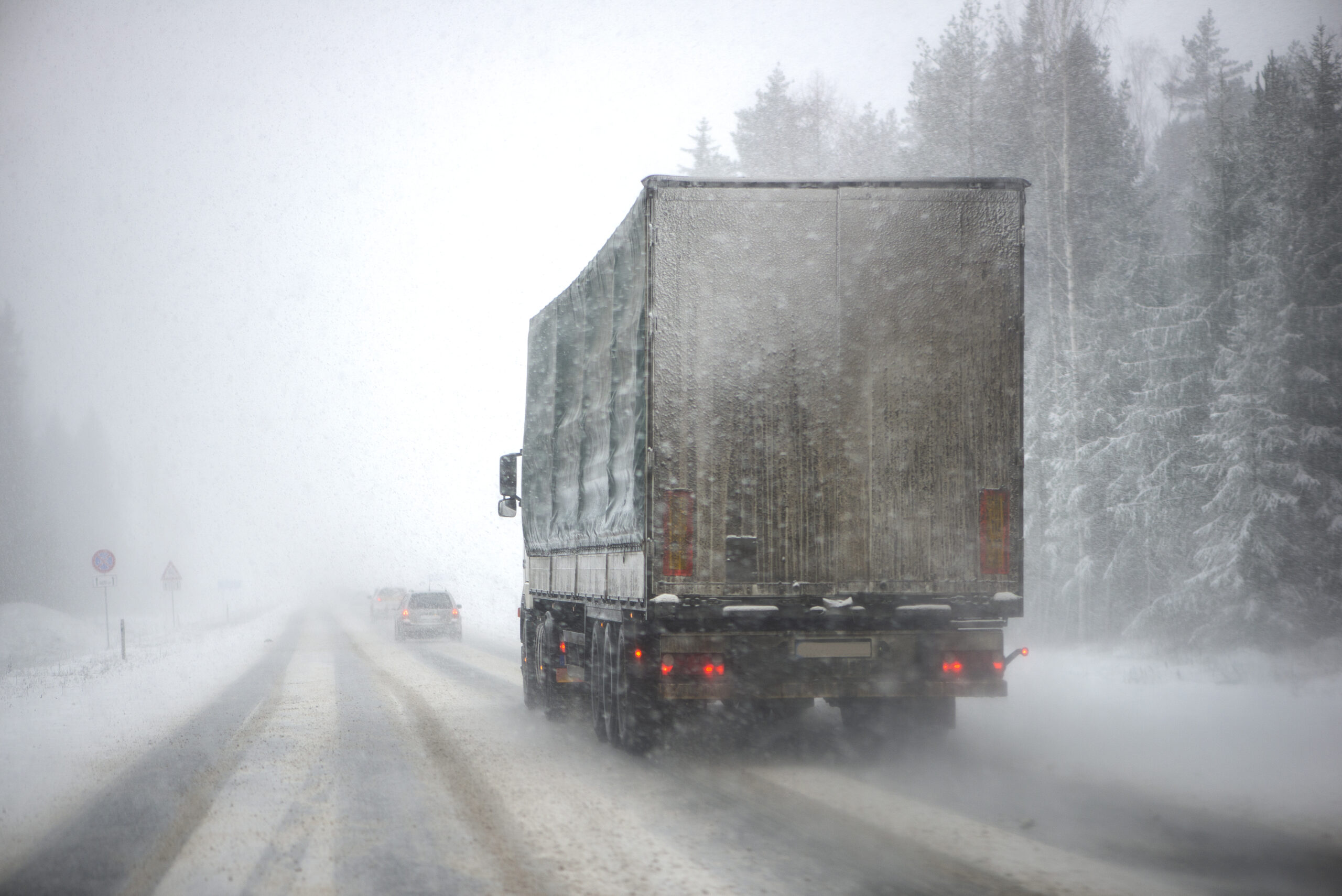
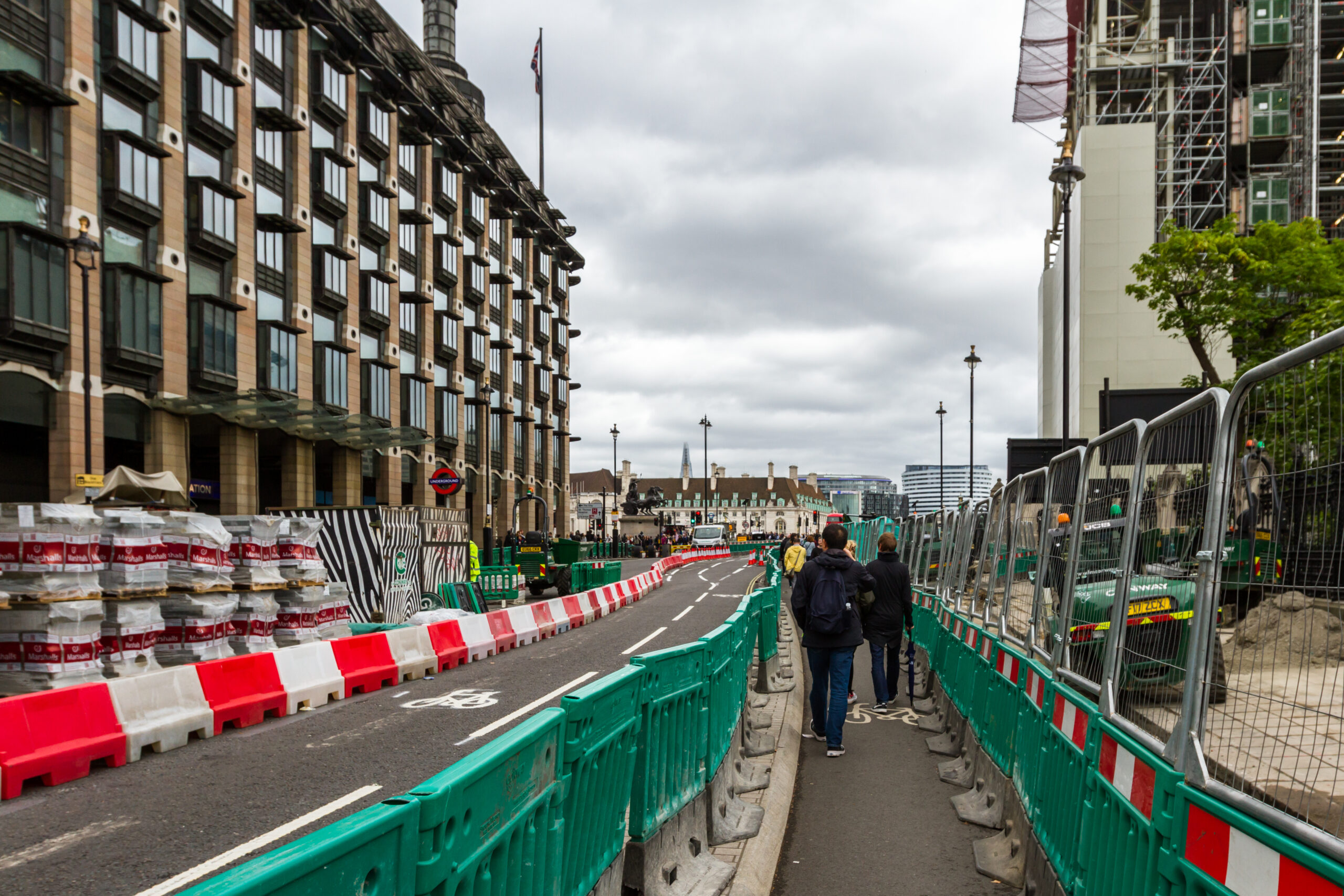
Pop‑up worksites are often placed in public areas, which means workers have to deal with outside factors like pedestrians, passing vehicles, and unpredictable weather. Every time a crew arrives, they’re stepping into a new environment with new hazards, and they have to adjust quickly.
These types of worksites are becoming more common because many industries now rely on project‑based work that moves from place to place. Companies need the flexibility to send crews wherever they’re needed, and temporary setups are usually more cost‑effective than building permanent facilities. Furthermore, in fields like utilities and emergency response, crews often don’t have the luxury of time. When a line goes down or a pipe bursts, the worksite has to be created immediately, even if conditions aren’t ideal.
All of this means that pop‑up worksites are fast, efficient, and practical, but also uniquely challenging from a safety standpoint.
Industries That Rely on Pop-Up Worksites
Pop‑up worksites aren’t limited to one type of job or one kind of environment, but rather, they show up anywhere work needs to happen quickly, temporarily, or in a location that isn’t designed for long‑term operations. These sites appear fast, operate under tight timelines, and disappear just as quickly, which is why so many industries depend on them to stay efficient and responsive. Here’s a few examples of how various industries rely on pop-up worksites:
- Construction and Civil Infrastructure: Road repairs, bridge inspections, sidewalk replacements, and utility installations all require temporary zones that shift as work progresses.
- Utility Maintenance and Emergency Repairs: Power outages, gas leaks, and water line breaks demand fast, temporary setups in unpredictable environments.
- Telecommunications and Technology: Fiber‑optic installation, temporary towers, and rooftop access often require crews to work in unfamiliar or hard‑to‑reach locations.
- Event Setup and Teardown: Stages, lighting rigs, tents, and sound systems are built and removed quickly, often under tight deadlines.
- Disaster Recovery and Environmental Cleanup: Storm response, debris removal, and hazardous material cleanup all rely on temporary worksites that change rapidly.
- Manufacturing Support and Maintenance Shutdowns: Inspections, repairs, and temporary zones inside or outside facilities require short‑term setups with unique hazards.
Each of these environments brings its own set of unique risks and challenges, and constant movement means workers must be ready to adapt, assess hazards quickly, and operate safely in environments that may be unfamiliar or unpredictable.
Unique Safety Challenges at Temporary Locations
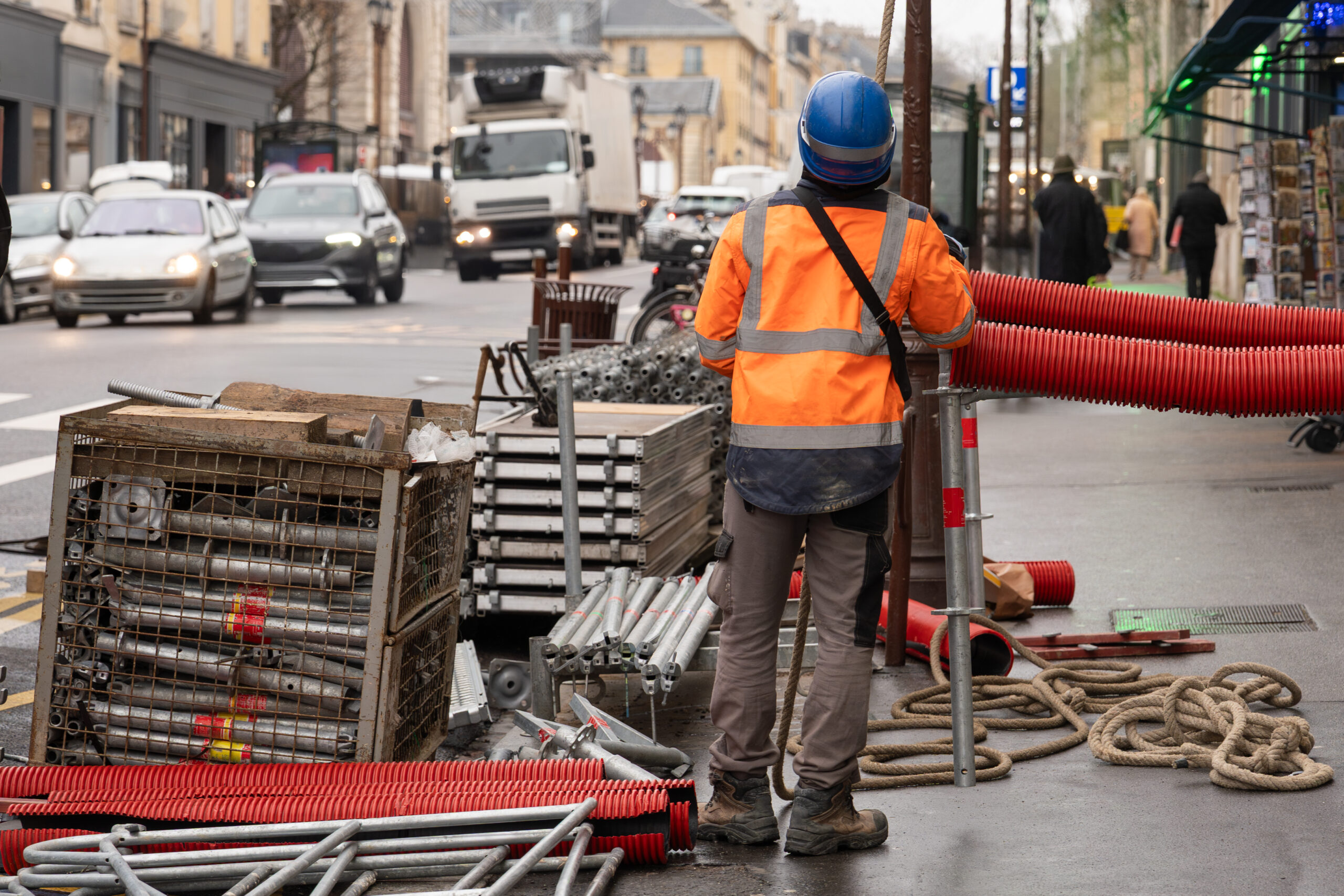
Pop‑up worksites create safety challenges that permanent facilities don’t. Workers often walk into an environment they’ve never seen before, and that unfamiliarity alone increases risk. Some of the biggest challenges include:
- Unfamiliar Surroundings: When workers don’t know the layout, hazards, or workflow, it can cause confusion that leads to mistakes.
- Inconsistent Site Layouts: Traffic patterns, equipment placement, and access points can change from day to day, requiring workers to stay alert and adjust quickly.
- Limited Safety Controls: Temporary sites may lack proper signage, barriers, lighting, or protective equipment, making hazard recognition even more important.
- Pressure to Start Work Quickly: Crews are often expected to begin working before a full hazard assessment is completed, increasing the risk of overlooked dangers.
- Multiple Contractors on Site: Different companies bring different procedures and communication styles, which can create confusion without strong coordination.
- Environmental Unpredictability: Weather, public traffic, and nearby activities can shift rapidly, requiring workers to constantly reassess conditions.
These challenges make it clear that temporary worksites require a different mindset and different training than permanent ones.
Core Safety Topics for Pop-Up Worksite Training
To keep workers safe in temporary environments, training needs to focus on the hazards and conditions they’ll actually face. The most effective programs cover:
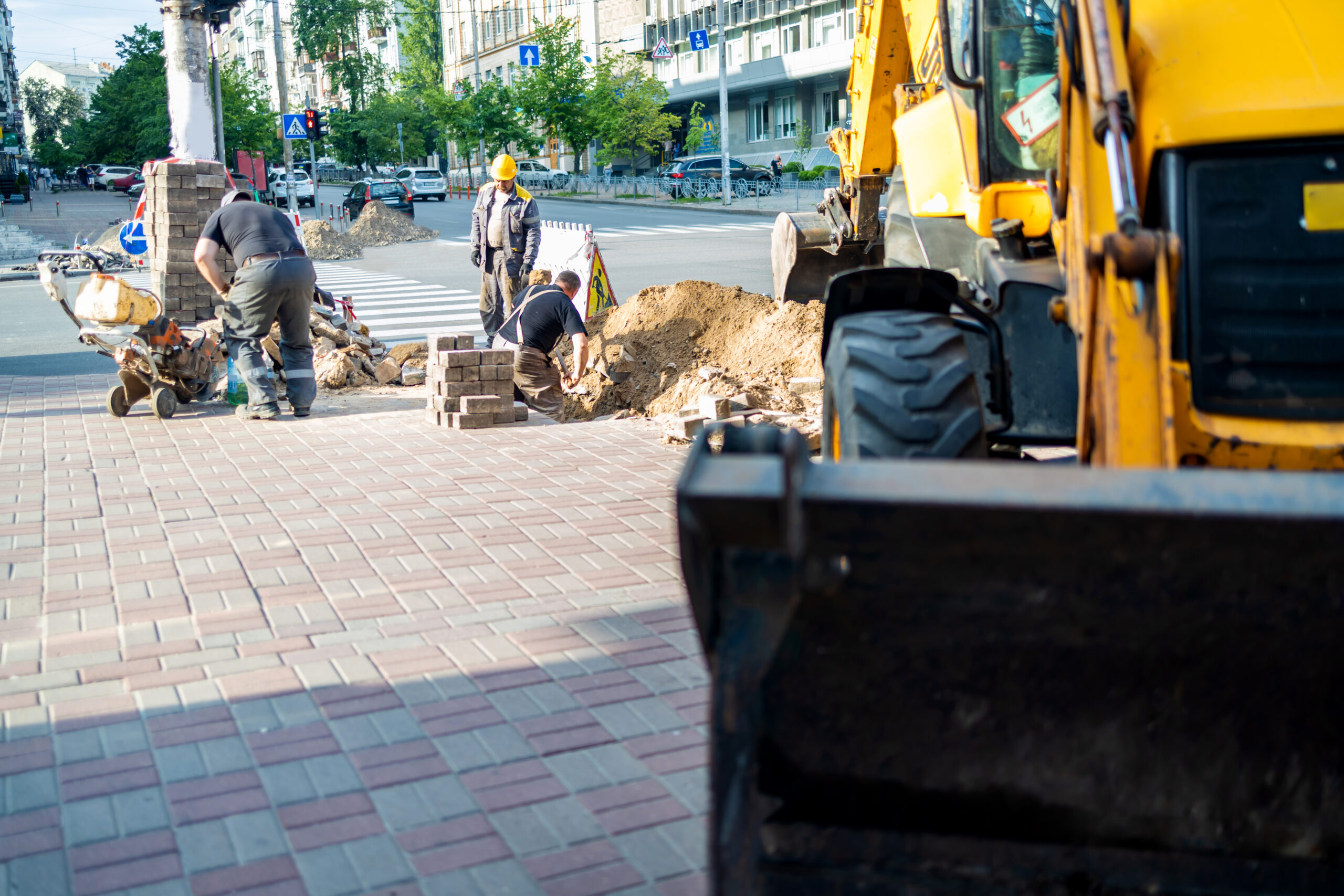
- Site‑Specific Hazard Identification: Workers must learn how to recognize hazards that appear only in temporary or unfamiliar locations, including uneven ground, unstable surfaces, and unexpected obstacles.
- Dynamic Risk Assessment: Conditions can change throughout the day, so workers need to know how to reassess risks continuously rather than relying on a single morning walkthrough.
- Temporary Traffic Control: Crews must understand how to set up cones, barriers, and signage, and how to protect themselves and pedestrians from nearby vehicles.
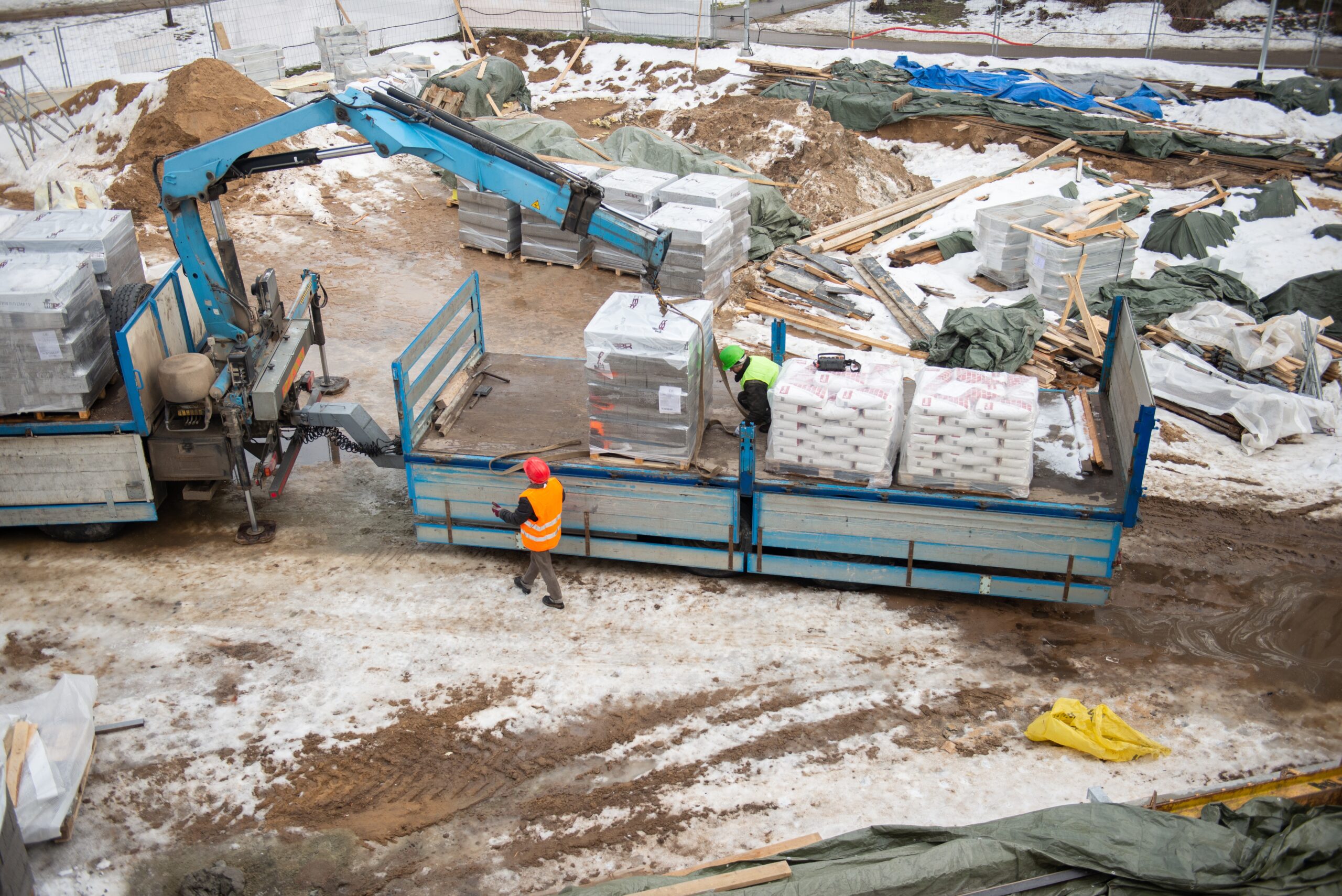
- Equipment Setup and Breakdown: Workers should be trained to inspect tools and machinery before use, follow safe assembly procedures, and secure materials to prevent shifting or falling.
- Electrical, Utility, and Underground Awareness: Training should cover how to identify utility markers, avoid overhead lines, use temporary power safely, and understand basic lockout/tagout principles.
- Weather and Environmental Monitoring: Workers must know how to recognize signs of heat stress, cold stress, lightning, high winds, or flooding—and when to pause or stop work.
- Emergency Response Planning: Crews need clear guidance on meeting points, communication procedures, first‑aid locations, and how to direct emergency responders to the site.
When workers understand these topics, they’re better prepared to make safe decisions—even when the environment is unfamiliar.
Conclusion
Whether you’re setting up a stage, repairing a power line, or responding to a storm, you must ensure the same level of protection expected elsewhere. Safety shouldn’t depend on the location; it should follow you and your team wherever the job takes you.
By investing in flexible, accessible, and practical training, companies can protect their workers, reduce incidents, and build a culture where safety is always the first priority, no matter how temporary the worksite may be.
Capability’s online safety training courses help to educate employees on workplace safety and health regulations, policies, and best practices. These courses cover a wide range of topics, all designed to fit the needs of various industries. To find the courses you need for your business today, click here.