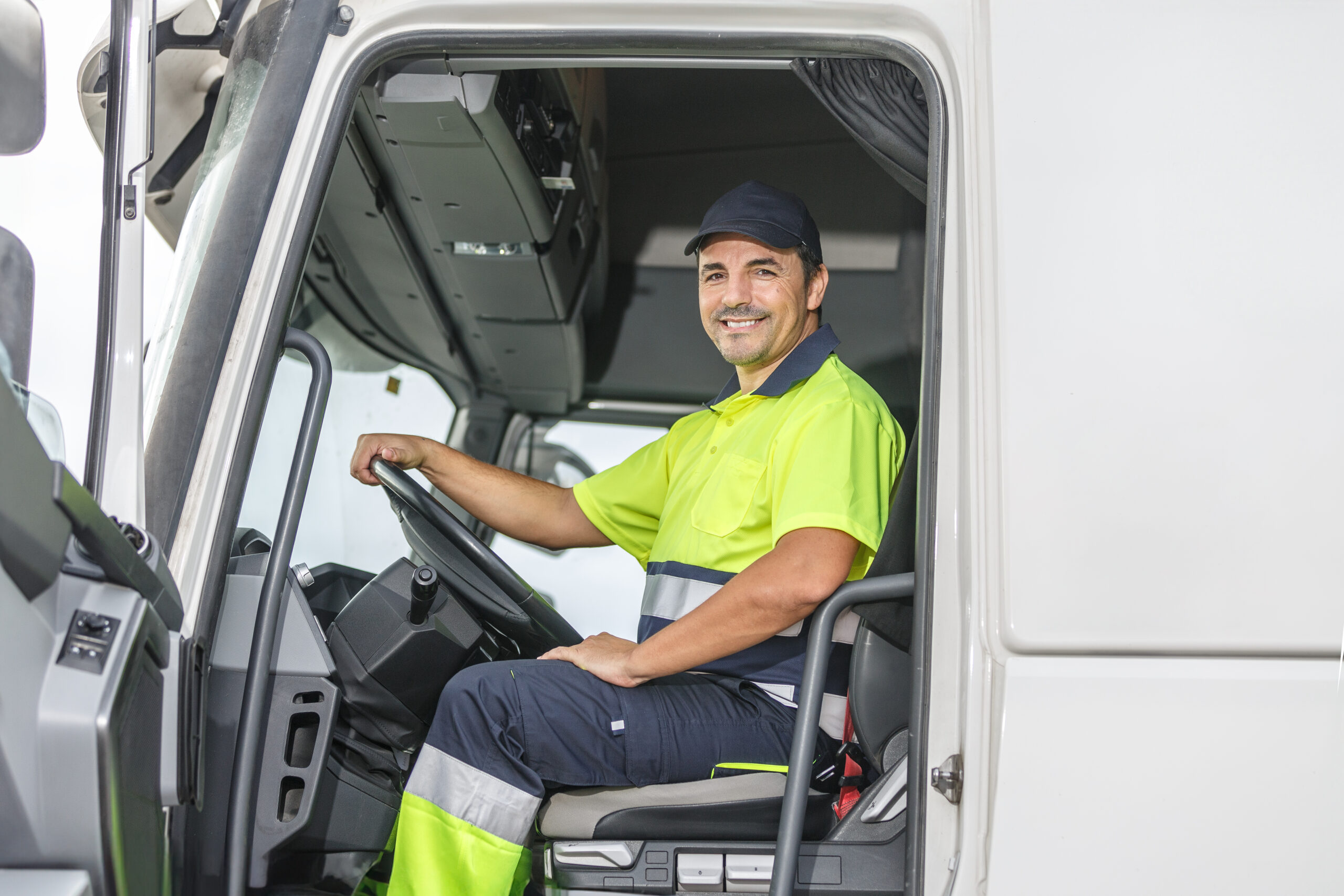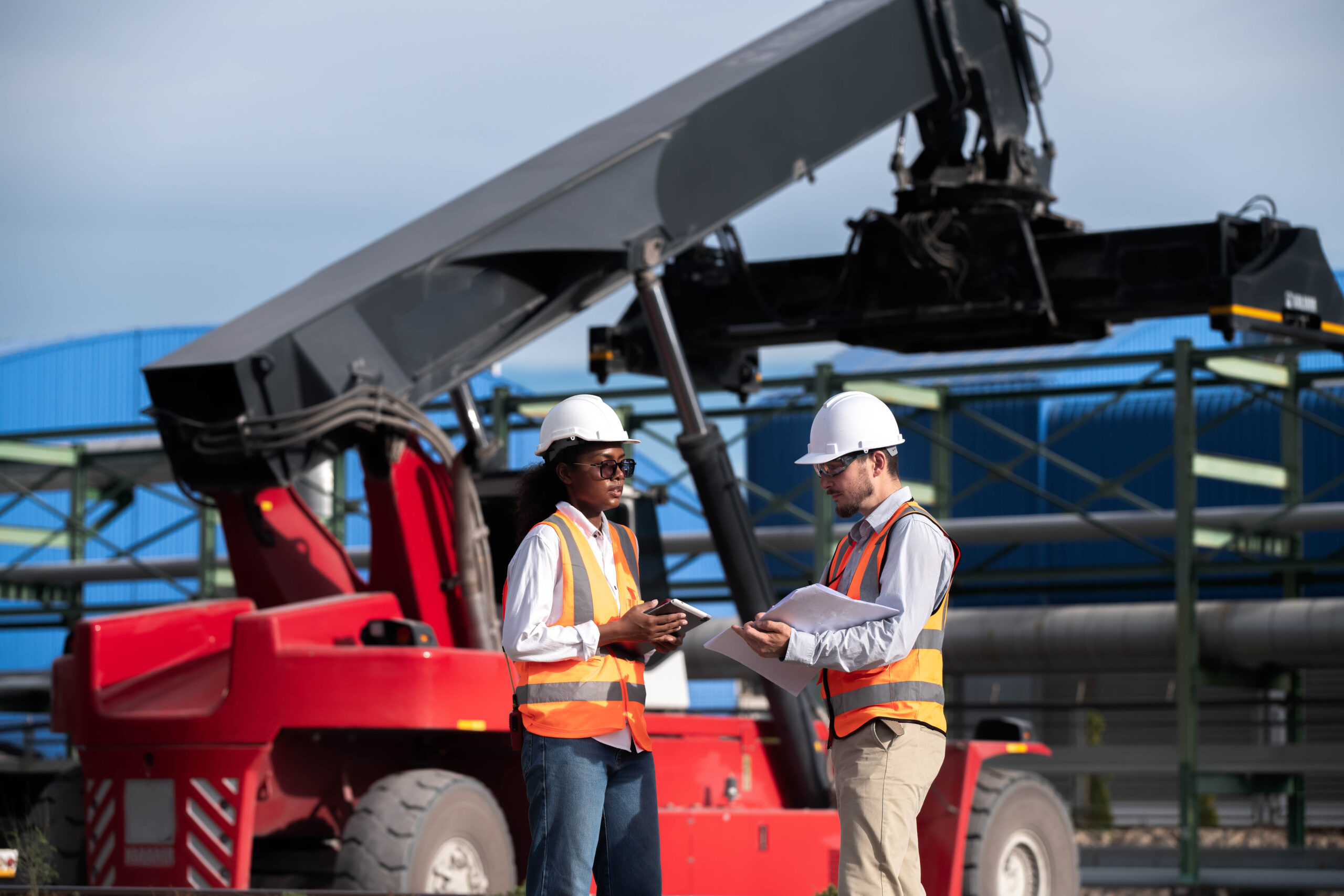
As operations have become faster and more distributed, reliance on mobile equipment has increased. Crews are expected to cover more ground, respond faster, and complete jobs under tighter deadlines. That pressure puts people and equipment in constant motion. Unlike fixed machinery that stays in one place, mobile equipment operates in changing environments, often near people, traffic, and unpredictable hazards.
This mobility creates unique safety challenges. Fixed machines usually have guards, barriers, and controlled access zones. Mobile equipment, on the other hand, does not. It moves through active work areas, public spaces, uneven terrain, and poor visibility conditions. Operators must make real-time decisions while managing speed, loads, surroundings, and communication with others.
When training does not match these realities, the results can be severe. Inadequate mobile equipment training contributes to serious injuries, fatalities, damaged equipment, production delays, and costly regulatory exposure. Incidents involving mobile equipment are often high-impact events rather than minor mishaps, and just one mistake can change lives, shut down operations, and bring intense scrutiny from regulators and insurers.
Effective training must recognize that mobile equipment work is dynamic, fast-moving, and unforgiving of error. In this article, we’ll discuss mobile equipment and how to create training to prepare people for real-world conditions, where hazards change by the minute.

What Counts as Mobile Equipment?
Mobile equipment includes a wide range of machines designed to move people, materials, or loads from one place to another. These machines are essential to daily operations, but their variety can make training more complicated. Common examples of mobile equipment include:
- Forklifts
- Pallet jacks
- Skid steers
- Excavators
- Dump trucks
- Front-end loaders
- Bucket trucks
- Pickup trucks
- Utility service trucks
- Tractors
One of the biggest risks tied to mobile equipment is familiarity. When equipment is used every day, it can start to feel routine. Operators may believe that experience alone keeps them safe and that they can complete tasks on autopilot, and over time, shortcuts become normalized. This everyday familiarity creates complacency. When nothing has gone wrong recently, it becomes easier to assume nothing will go wrong today. Training must actively counter this mindset by reminding workers that mobile equipment hazards are always present, even during routine tasks.
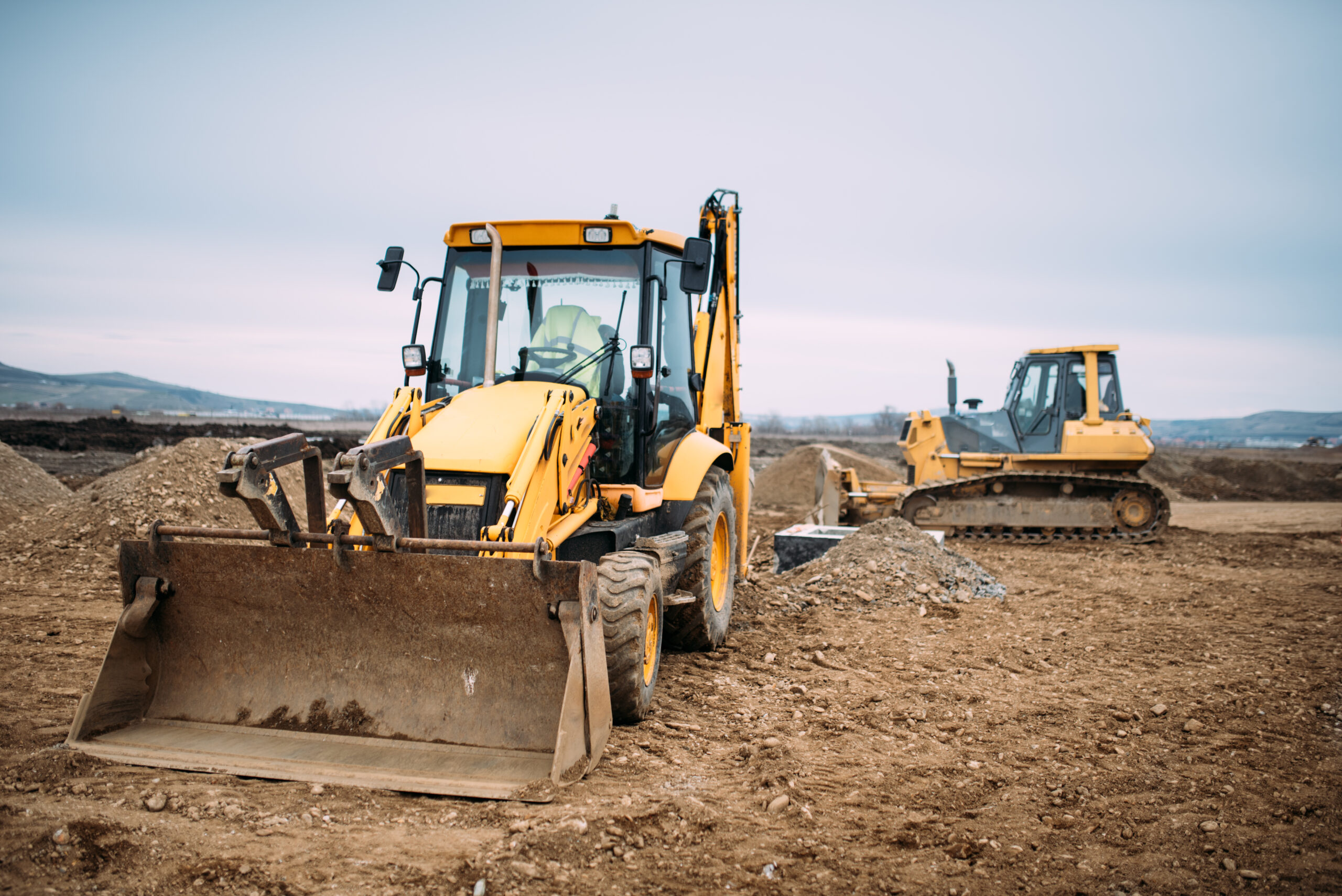
The Most Common Mobile Equipment Hazards
Mobile equipment incidents rarely happen because of one single mistake. They are usually the result of multiple hazards lining up at the wrong moment. The most common incidents caused by mobile equipment include:
- Struck-By Incidents: These incidents happen when workers, pedestrians, or other operators are stuck by moving equipment due to blind spots, poor communication, or unexpected movement in shared work areas.
- Rollovers: A rollover happens when equipment tips over because of uneven terrain, soft ground, sharp turns, excessive speed, or improperly secured loads, often resulting in severe injuries or fatalities. Rollovers are one of the leading causes of death when using mobile equipment.
- Caught-In or Crushed Incidents: These occur when workers become trapped between equipment and fixed objects during loading, unloading, coupling, or maintenance activities.
A fundamental factor underlying many of these accidents is the issue of limited visibility and blind spots. The ability of the operator to see their surroundings is often compromised by variables such as:
- Machine Design: Large engine compartments, masts, counterweights, and roll-over protection structures (ROPS) create permanent blind zones that cameras and mirrors can only partially mitigate.
- Load Height and Configuration: The material being carried or lifted can completely obscure forward, side, or rear visibility.
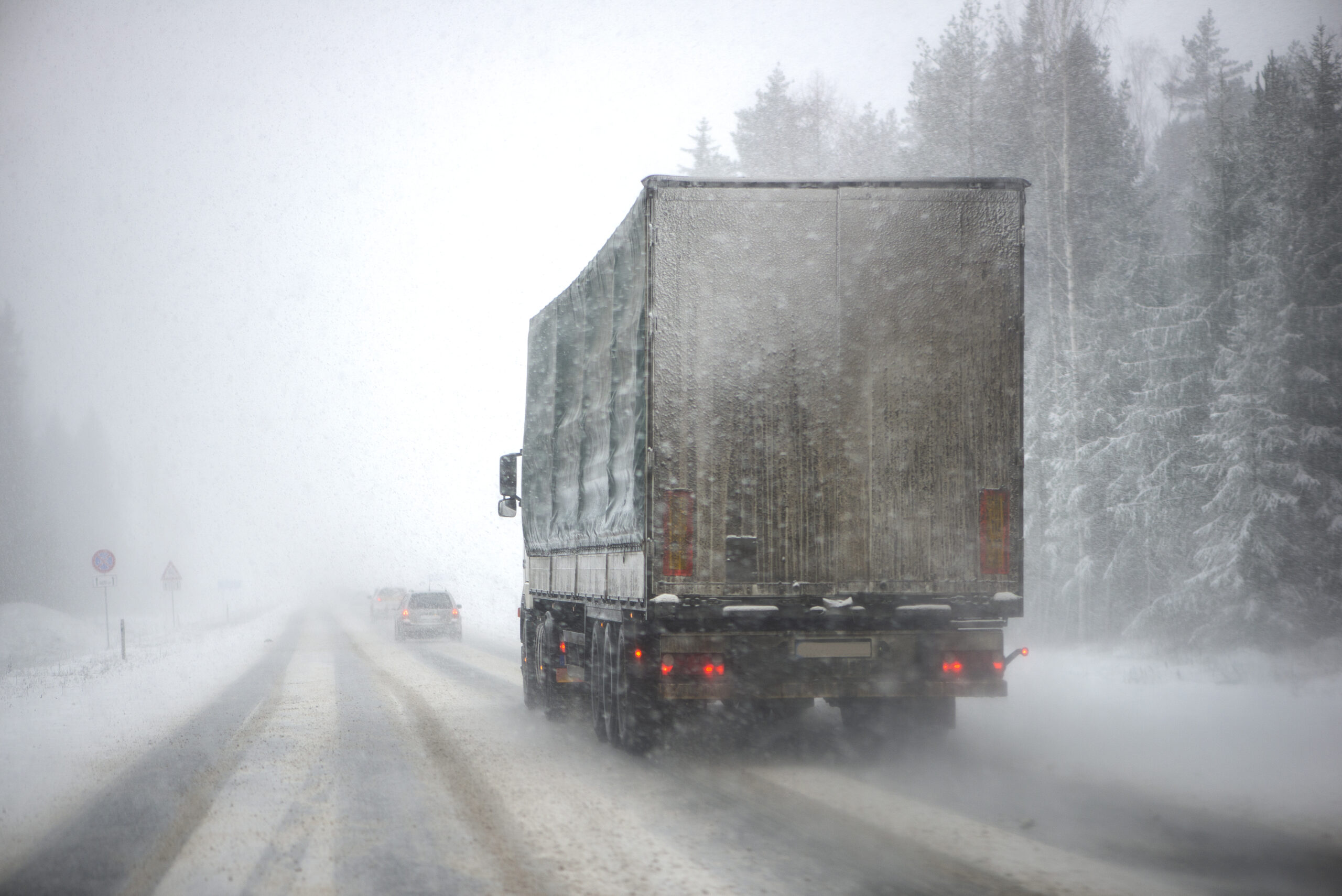
- Environmental Conditions: Dust, rain, fog, snow, low light, sun glare, or steam can drastically reduce an operator’s ability to identify people, critical obstacles, or the edges of elevated surfaces like ramps or docks.
Effective safety training must therefore emphasize hazard recognition, the use of spotters, maintenance of advanced warning systems (e.g., proximity sensors, alarms), and stringent controls over pedestrian access to operational zones.
These hazards are made worse by the fact that mobile equipment often operates near other people. Unlike fixed machinery with restricted access zones, mobile equipment moves through active workspaces. Pedestrians may not expect equipment to approach, and operators may assume others see them when they do not. Training must address how quickly normal work conditions can turn hazardous and how small decisions, like turning too fast or skipping communication, can have serious consequences.
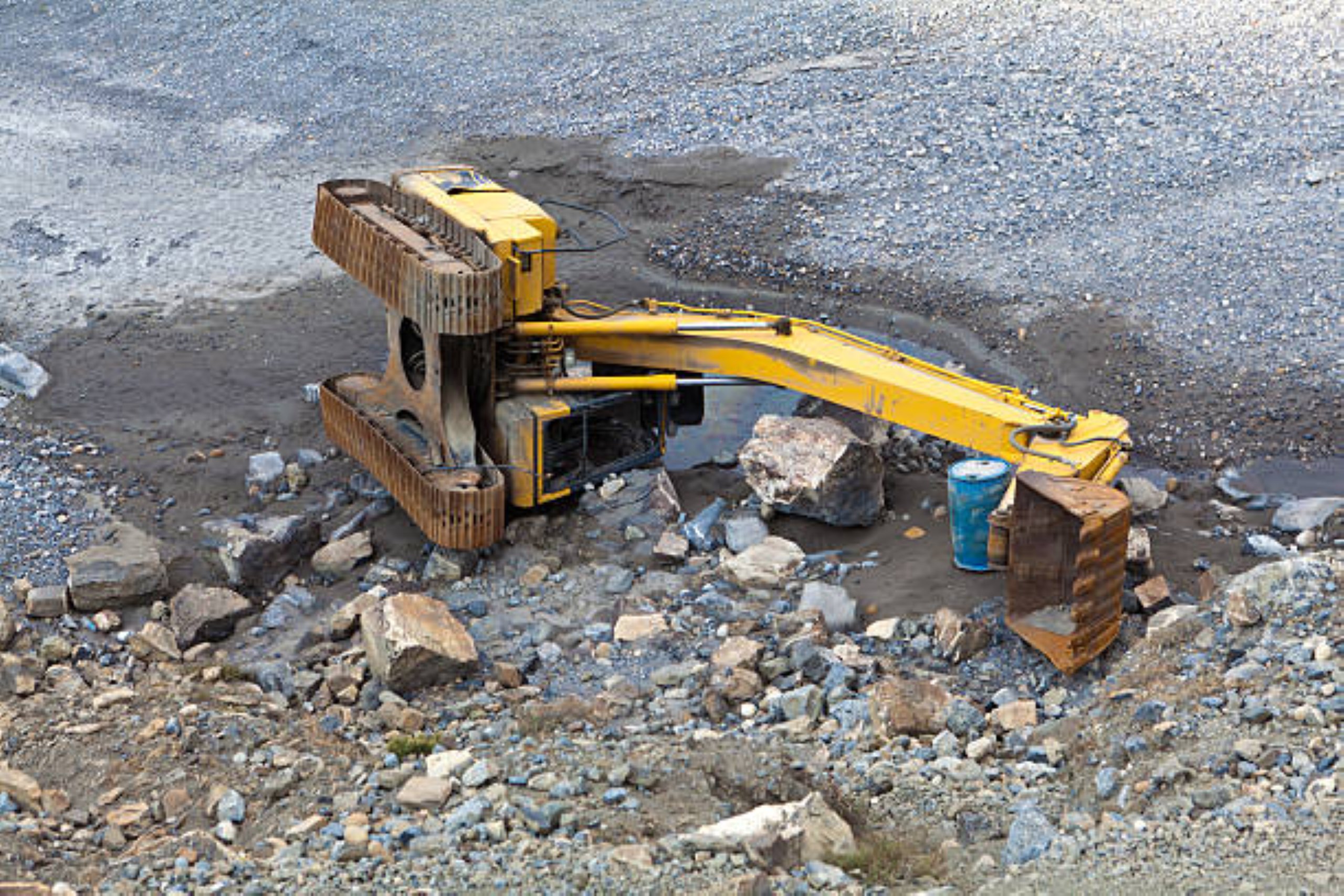
The Unique Challenge of On-the-Go Operations
On-the-go operations are fundamentally different from stationary work as crews are constantly moving from one location to the next, sometimes multiple times in a single day, making consistency difficult. Changing job sites introduce new layouts and new hazards. What was safe yesterday may not be safe today, which means operators cannot rely on memory alone. They must actively assess conditions every time equipment moves.
Time pressure makes these challenges worse. Productivity demands encourage faster operation, tighter schedules, and fewer pauses between tasks. Under pressure, people are more likely to take shortcuts, skip inspections, or assume conditions are acceptable without checking, which can easily lead to hazards.
Limited supervision is another major factor. Many mobile equipment operators work independently or in remote locations. Supervisors cannot always see how equipment is being used or whether procedures are being followed. Unsafe habits can develop unnoticed until an incident occurs.
Finally, communication gaps play a role in the creation of mobile equipment hazards. Operators, spotters, and supervisors may not share the same information. Hand signals may be misunderstood and radios may fail, which can cause assumptions to replace confirmation. In mobile operations, a missed message can be just as dangerous as a mechanical failure.
Training has to prepare workers for these realities. It must teach them how to manage risk when conditions are changing and pressure is high.
What Effective Mobile Equipment Safety Training Looks Like
Effective training goes beyond rules and checklists. It builds skills that help workers make safe decisions in real time, even when conditions are imperfect. Effective training must include:
- Equipment-Specific Training: Instructions should focus on the exact machines workers use, not generic equipment types. Controls, limitations, stability factors, and known hazards should be clearly addressed.
- Task- and Environment-Based Learning: Training must reflect the actual tasks performed and the environments where equipment operates, including uneven ground, traffic areas, and confined spaces.
- Scenario-Based Learning: Realistic situations are used to show how incidents develop and how they can be prevented, allowing workers to practice recognizing warning signs before a situation escalates and apply what they’ve learned on the job to avoid incidents in real-work situations.
- Hazard Recognition: Training should teach operators how to identify changing conditions, blind spots, and risk factors related to mobile equipment. No one can avoid a hazard they don’t know to look for.
- Decision-Making and Situational Awareness: Training should emphasize slowing down, reassessing conditions, and choosing safer options under pressure.
- Clear Operating Expectations: Safe speeds, load limits, seatbelt use, communication protocols, and pedestrian interaction rules must be consistently reinforced.
- Inspection and Shutdown Procedures: Operators must understand how to properly inspect equipment, report defects, and take unsafe equipment out of service without hesitation.
Effective training treats operators as decision-makers and acknowledges that rules alone cannot cover every situation. Workers need the judgment and confidence to stop work, ask questions, or change plans when conditions are unsafe.
Conclusion
Mobile equipment safety requires more than basic training. The risks are too high and the environments are too unpredictable. When equipment is constantly moving through changing conditions, safety cannot rely on memory, habit, or experience alone; workers must be present and aware of the work they’re performing and the environment they’re in.
Training must adapt to movement, change, and real-world pressures. It must reflect how work actually happens, not how it looks on paper. Operators need training that prepares them to recognize hazards, communicate clearly, and make safe decisions when conditions are less than ideal. When training matches the realities of on-the-go operations, mobile equipment becomes a powerful tool that supports productivity without putting lives at risk.
Capability’s online safety training courses help to educate employees on workplace safety and health regulations, policies, and best practices. These courses cover a wide range of topics, all designed to fit the needs of various industries. To find the courses you need for your business today, click here.