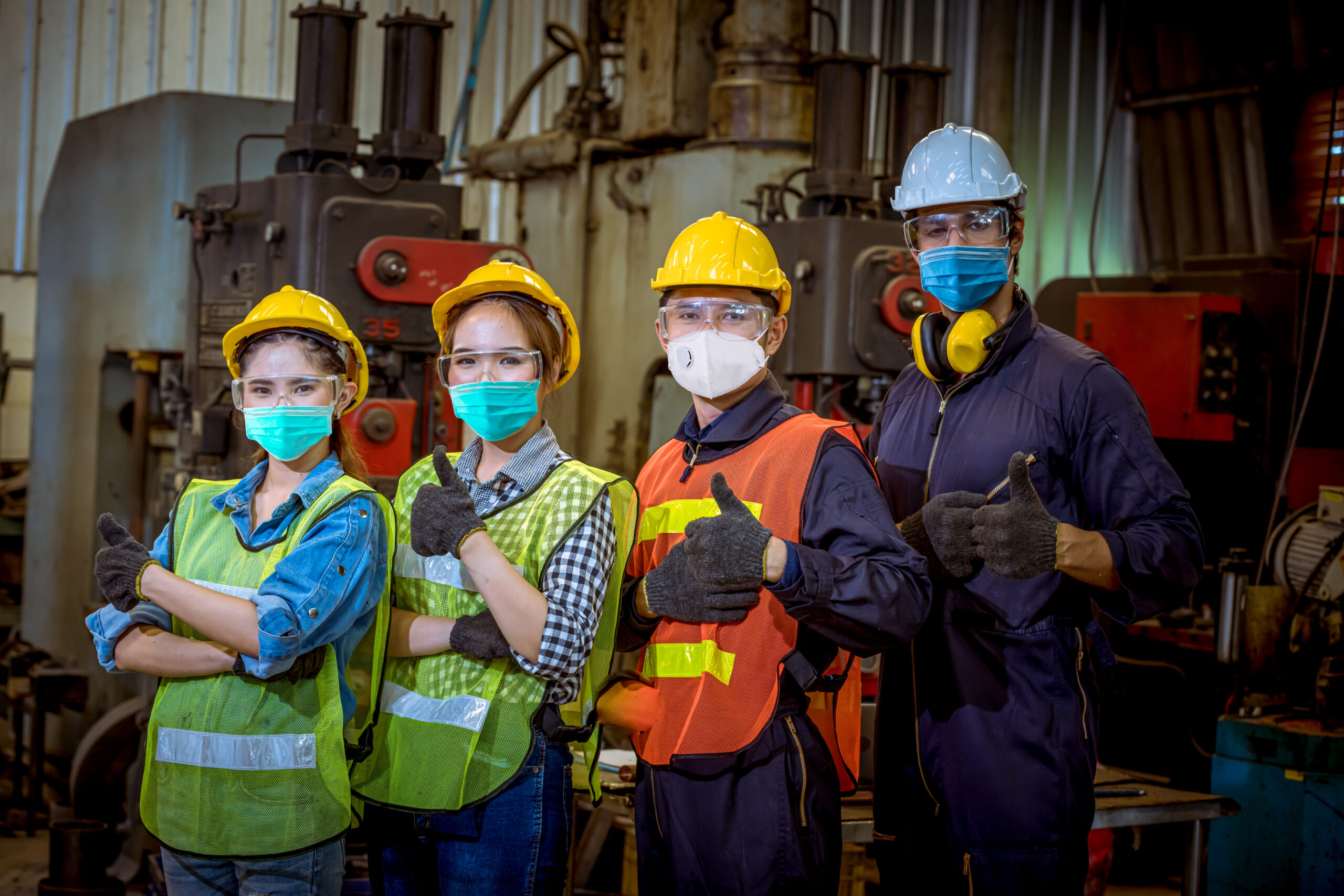
Personal Protective Equipment, commonly referred to as PPE, is one of the most familiar parts of workplace safety. Hard hats, gloves, safety glasses, respirators, hearing protection, steel-toed boots. These things are seen across every industry every day. It’s an established standard, but because of that, it is sometimes taken for granted. Many organizations assume that if PPE is available, incidents will automatically decrease. In reality, however, PPE is only effective when it is correctly used for the right hazards. Even with PPE easily available, incidents still happen every day because workers misuse PPE, select the wrong type of PPE, wear it incorrectly, or misunderstand what it can and cannot protect them from.
PPE failures are rarely caused by bad intentions. Rather, most are the result of poor or incomplete training. If PPE is damaged and used anyway, and this leads to an injury, was the problem the damaged PPE, which couldn’t have been avoided, or was it a lack of inspection?
Effective PPE training directly reduces incidents by training workers on PPE inspections, the correct way to wear it, and hazard awareness. When workers understand why PPE is required, how to select it, how to wear it properly, and how to maintain it, they are far less likely to experience injuries.
In this article, we will explain the clear link between PPE training and incident reduction. You will see how proper training reduces common workplace injuries, what data and research say about its impact, and what effective PPE training programs should include. If your goal is to lower incidents, protect your workforce, and strengthen safety culture, PPE training is absolutely essential.
How PPE Training Reduces Incidents
PPE training works because it changes behavior. It helps workers understand risks, make better decisions, and develop safe habits. PPE training reduces incidents by training workers on:
- Hazard Recognition: One of the most important benefits of PPE training is an improved understanding of workplace hazards. It’s important to know why PPE is necessary, and being able to identify the hazards in your workplace allows you to know exactly what PPE is needed for daily work processes. Training should explain how injuries happen, how quickly exposure can occur, and what the long-term consequences may be. This awareness makes PPE use meaningful and intentional.
- PPE Selection: You may think you’re safe because you’re wearing PPE, but many injuries occur because workers use PPE that is not designed for the hazard(s) they are facing. Training helps workers understand protection levels, ratings, and limitations, preventing situations where PPE gives a false sense of security.
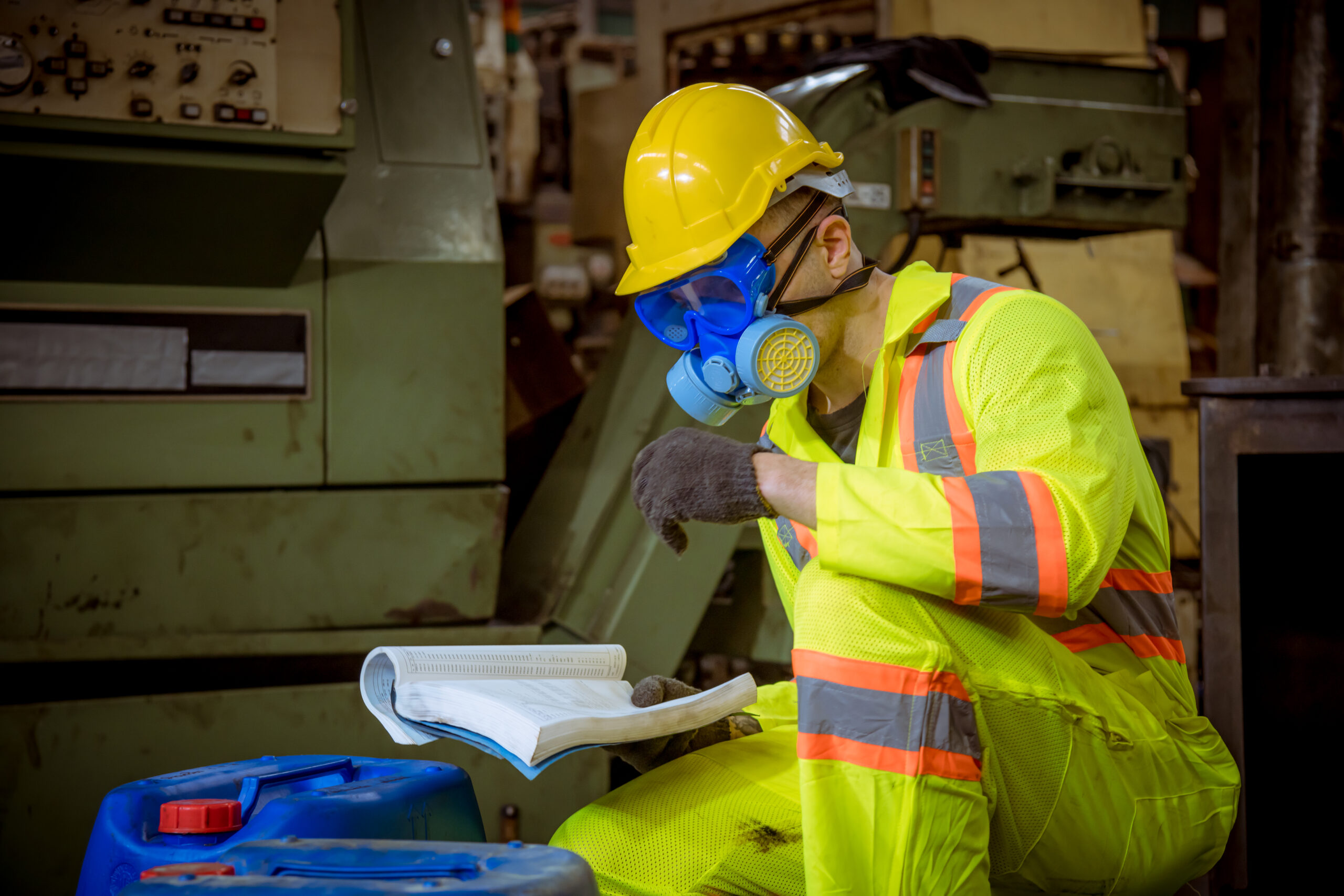
- Wearing PPE Properly: Even the best PPE will fail if it is worn incorrectly. Training teaches correct donning and doffing procedures, proper adjustments, and how to recognize when equipment does not fit properly. This is especially important for respirators, hearing protection, and fall protection equipment.
- PPE Inspection and Maintenance: PPE that is damaged, worn out, or contaminated can fail without warning. Training teaches workers how to inspect PPE before use, how to clean it, and how to store it properly. This reduces incidents caused by equipment failure and helps ensure PPE is reliable when it is needed most.
For PPE training to be effective, it must include the following elements:
- Scenario-Based or Hands-On Practice: Training should give workers opportunities to apply PPE in realistic job situations, not just watch or listen. Hands-on practice builds muscle memory, improves confidence, and allows workers to correct mistakes before they lead to incidents.
- Regular Refresher Sessions: PPE training should be reinforced over time, especially when tasks change, new equipment is introduced, or incidents occur. Refresher training helps prevent complacency and keeps safe behaviors fresh in workers’ minds.
- Supervisor and Peer Reinforcement: PPE expectations must be supported on the job, not just in the classroom. Supervisors and peers play a critical role in modeling correct PPE use, providing coaching, and addressing unsafe behaviors before they result in injuries.
- Documentation and Tracking of Training: Training records help organizations ensure workers are properly trained, identify gaps, and demonstrate compliance. Tracking also allows safety leaders to evaluate trends and continuously improve PPE programs.
When workers know how and why to use PPE, they are far more likely to use it correctly and consistently.
Common PPE-Related Workplace Incidents
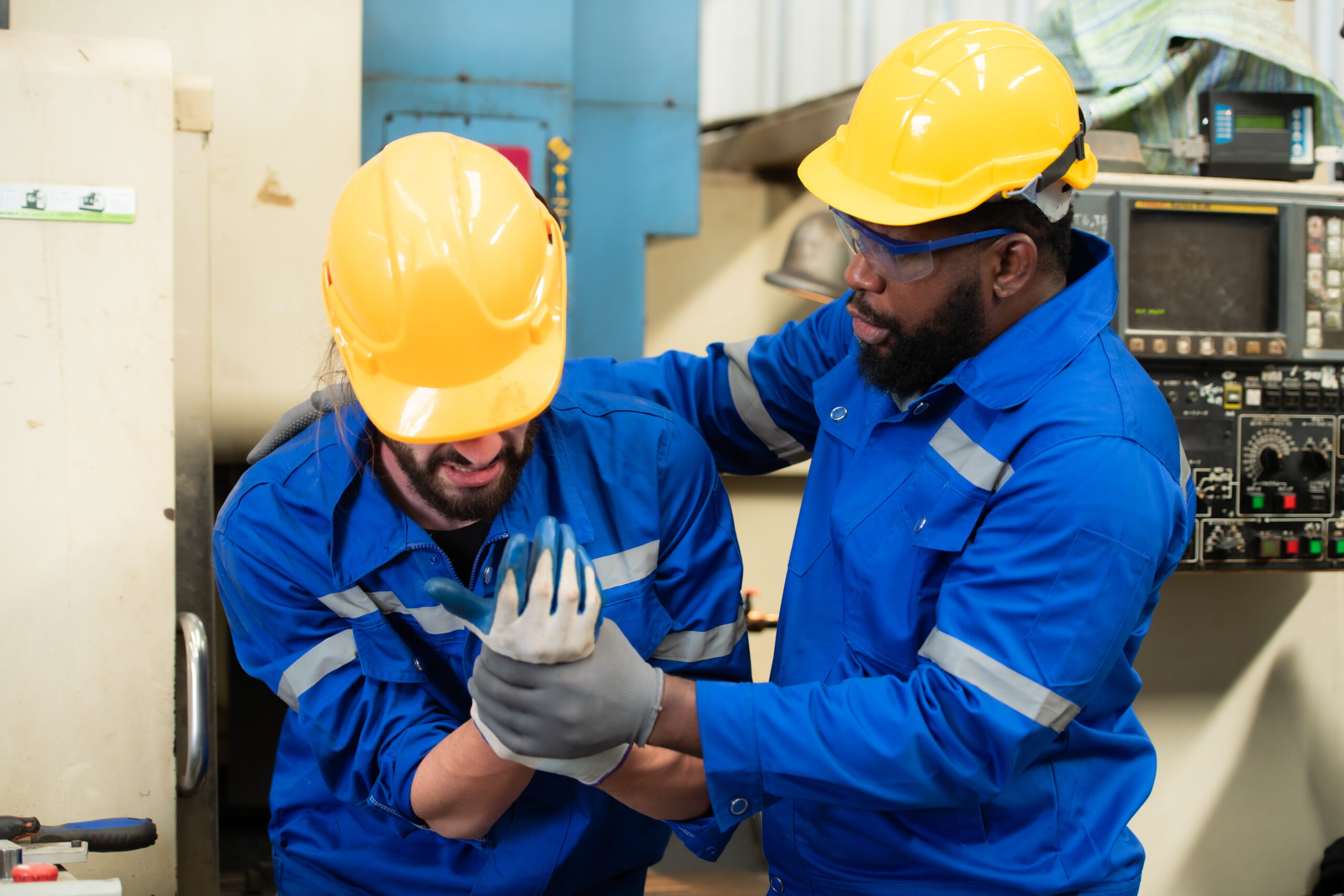
Many of the most common workplace injuries are directly linked to PPE misuse or a lack of training. Some of the most common incidents caused by this include:
- Chemical Splashes: Chemical splashes often occur during mixing, transferring, cleaning, or maintenance tasks and can cause severe burns to the eyes and skin in seconds. Proper PPE training ensures workers select the correct gloves, eye protection, and face protection and understand safe removal procedures to prevent secondary exposure.
- Eye Injuries from Flying Objects: Flying debris, dust, metal shavings, and wood chips are common in construction, manufacturing, and maintenance environments and can cause serious eye injuries instantly. PPE training reinforces when safety glasses, goggles, or face shields are required and explains why regular eyewear does not provide adequate protection.
- Hearing Loss Caused by Noise Exposure: Prolonged exposure to high noise levels can damage hearing over time, often without immediate pain or noticeable symptoms. PPE training helps workers understand noise hazards, long-term consequences, and the correct use of hearing protection to reduce cumulative exposure.
- Respiratory Hazards such as Dusts, Fumes, or Vapors: Airborne hazards can be inhaled without workers realizing it, leading to respiratory illness, chemical exposure, or long-term health effects.PPE training teaches workers when respiratory protection is required, how to wear it correctly, and what its limitations are so it provides real protection.
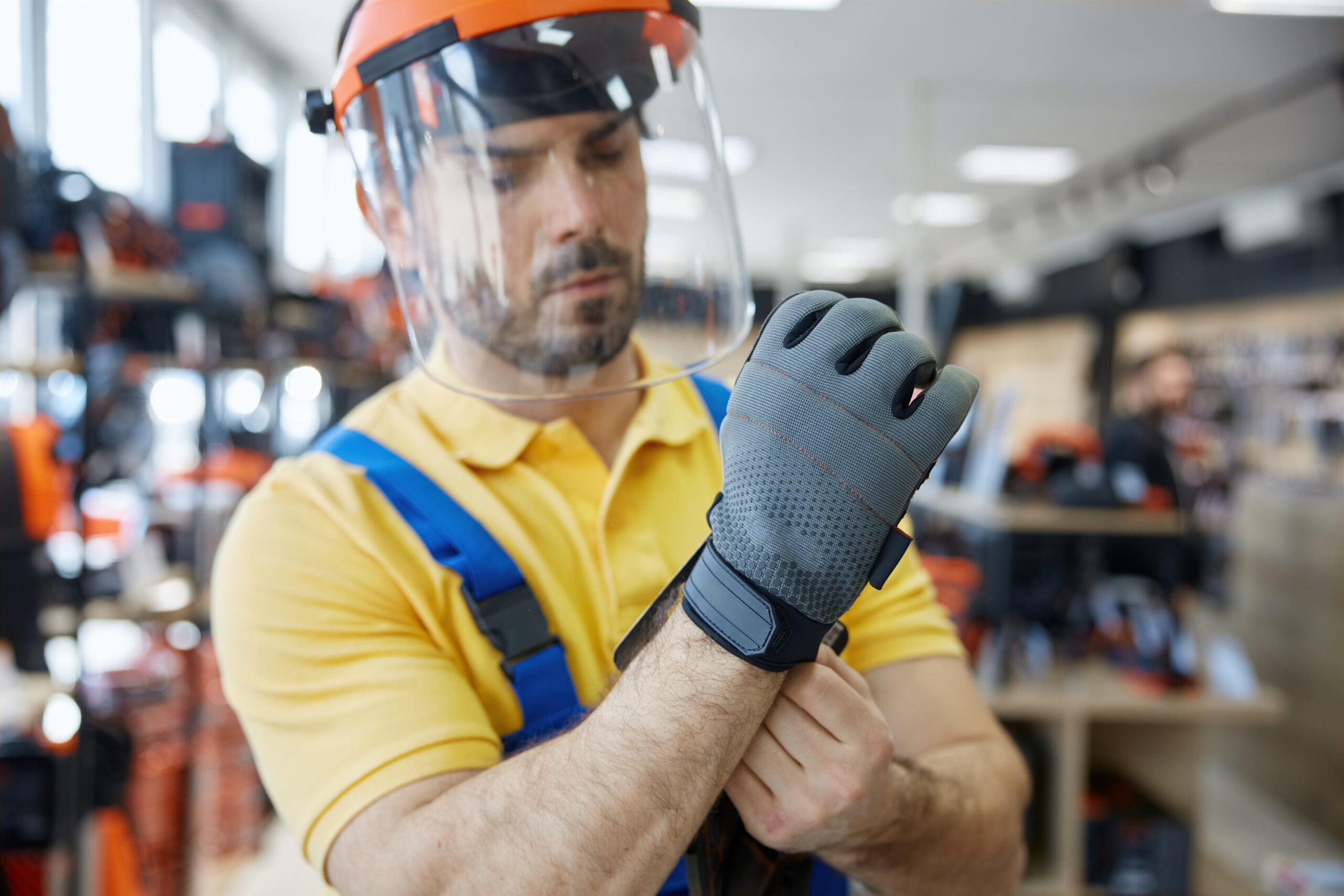
- Hand Injuries from Cuts, Burns, or Chemical Contact: Hand injuries often occur when gloves are the wrong type, fit poorly, or are removed at the wrong time. PPE training improves glove selection and teaches workers how to recognize when gloves reduce risk and when they may create new hazards.
- Slips, Trips, and Falls Related to Improper Footwear: Slips and falls frequently occur on wet, oily, uneven, or cluttered surfaces and can result in sprains, fractures, or head injuries. PPE training helps workers understand when slip-resistant, puncture-resistant, or electrically rated footwear is necessary for their tasks and environment.
- Arc Flash and Electrical Exposure Injuries: Arc flash incidents release extreme heat and energy in a fraction of a second and can cause severe burns, blindness, or death. PPE training ensures workers understand how to properly use arc-rated clothing, gloves, face shields, and other electrical PPE to reduce injury severity.
In each of these cases, PPE training directly reduces the likelihood of injury and limits the severity of incidents when exposure occurs.
Data and Research Linking PPE Training to Incident Reduction
The connection between PPE training and incident reduction is supported by data, research, and real-world experience. Studies consistently show that injury rates decline when PPE programs improve. Organizations that invest in structured PPE training see fewer recordable injuries, fewer lost-time incidents, and lower workers’ compensation costs.
The National Library of Medicine has shown that about 60% of workers use PPE during work, and that the main reasons for non-use are discomfort, lack of knowledge on how to use it and poor fit. The Occupational Safety and Health Administration (OSHA) emphasizes training as a core requirement of PPE standards. OSHA regulations require employers to ensure that workers understand when PPE is needed, what type is required, how to use it, and its limitations. OSHA enforcement data shows that lack of PPE training is a frequent citation, often linked to incidents. Additionally, research from the National Institute for Occupational Safety and Health (NIOSH) highlights training as a key factor in PPE effectiveness. NIOSH has found that PPE is significantly less effective when users are not properly trained in selection, fit, and use.
These all show that PPE training is a legal requirement and a necessary part of keeping your workforce safe.
Conclusion
PPE training is one of the most effective tools available to reduce workplace injuries because it improves understanding, strengthens habits, and increases hazard awareness. Having PPE available isn’t enough. To lower incident rates in your workplace, workers need to know why PPE matters, how to select it, how to wear it correctly, and how to maintain it.
Now is the time to take a closer look at your PPE training program. Evaluate how training is delivered, how often it is reinforced, and whether workers truly understand how to wear and maintain their personal protective equipment. Strengthening PPE training is a direct investment in incident reduction, worker confidence, and long-term safety success.
Capability’s online safety training courses help to educate employees on workplace safety and health regulations, policies, and best practices. These courses cover a wide range of topics–including Personal Protective Equipment–all designed to fit the needs of various industries. To find the courses you need for your business today, click here.